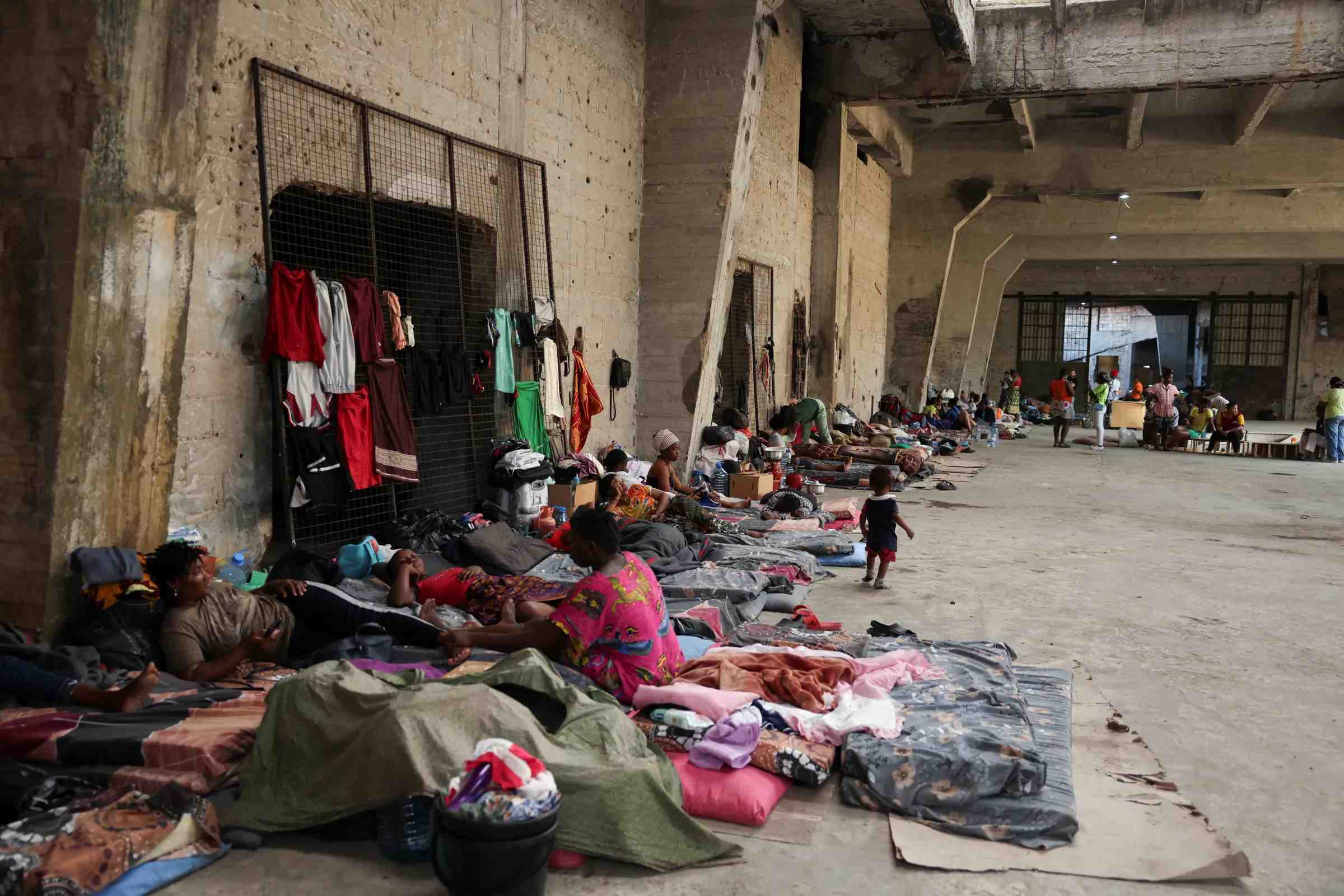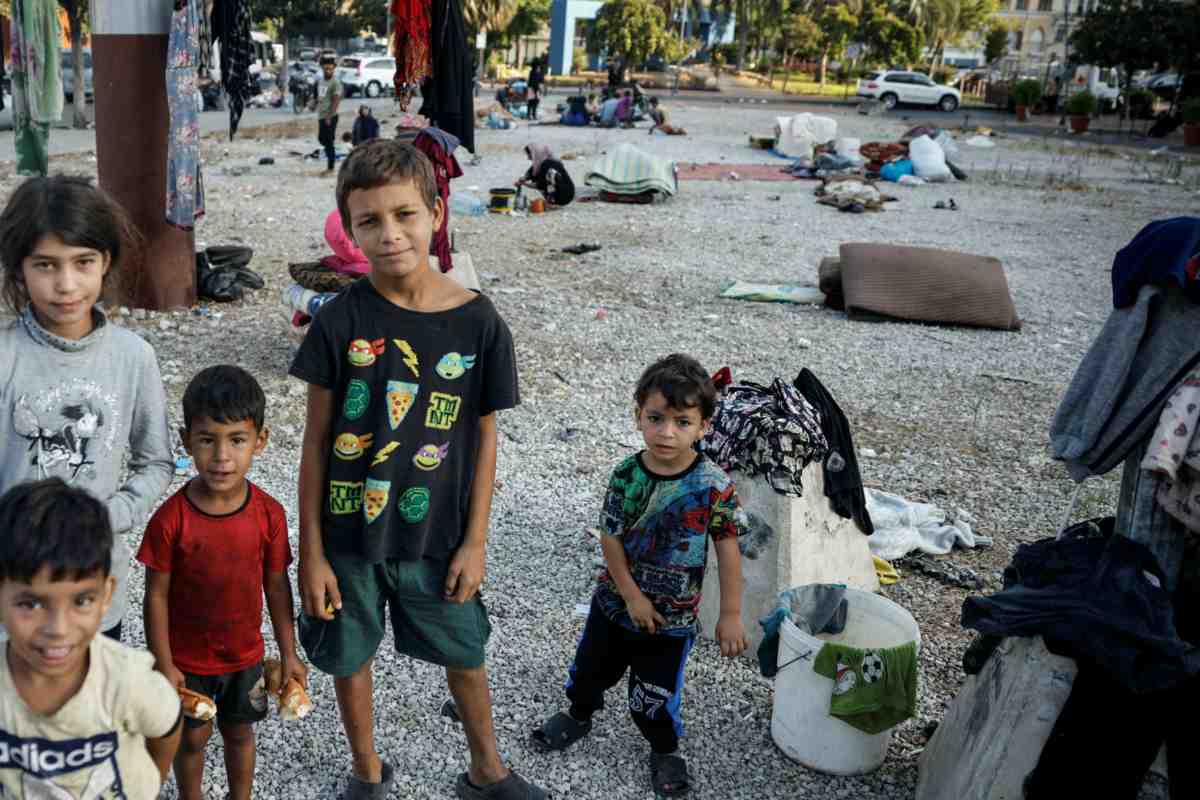




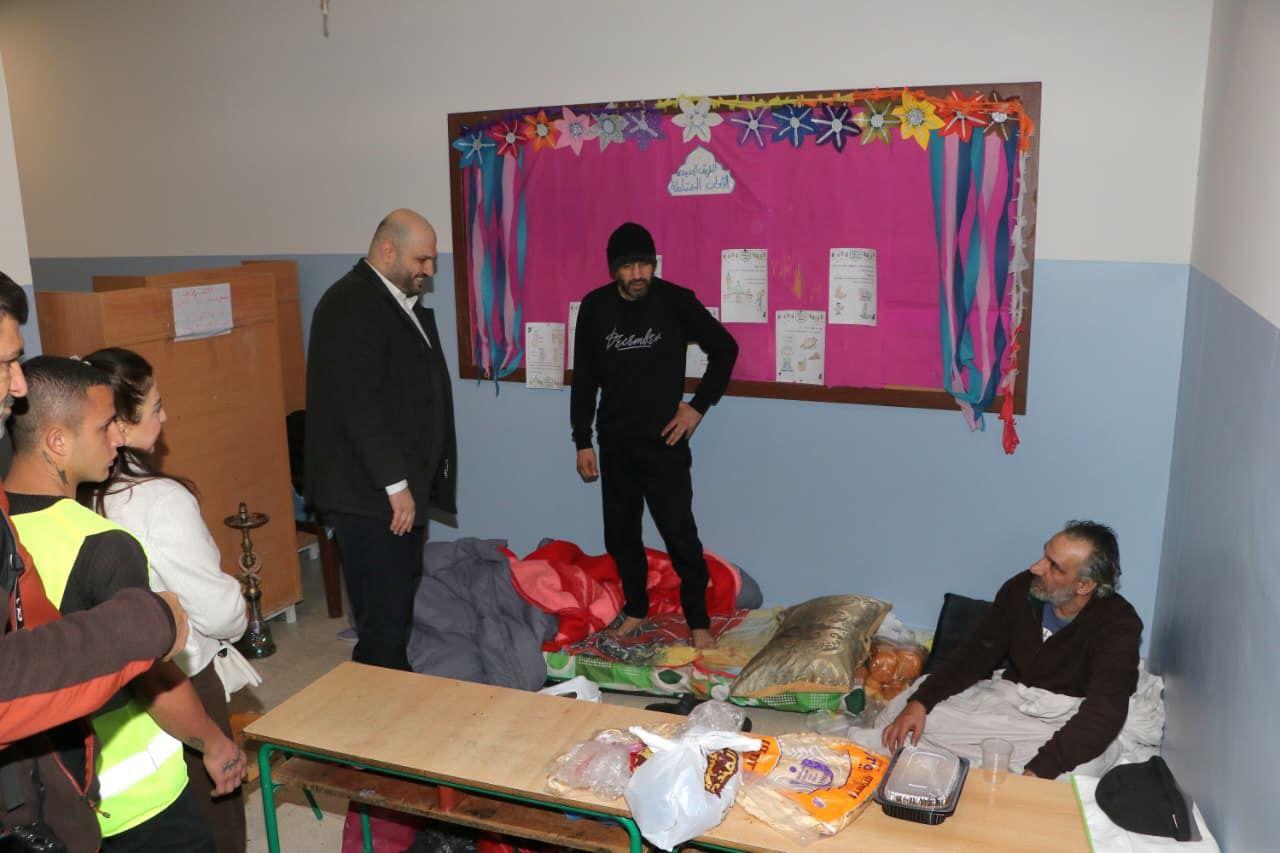
Beirut, Lebanon – Lebanon’s Ministerial Food Safety Team has announced that a number of suspected food poisoning cases have been recorded in certain schools and shelters.
The incidents come at a time when public health conditions in Lebanon remain under strain, particularly in high-density settings such as displacement shelters and schools.
Initial Cases and Symptoms
According to an official statement, initial data suggest that most cases are mild, with symptoms largely limited to diarrhea (frequent loose stools) and abdominal pain. No severe health complications have been reported so far.
Some cases were identified among elderly individuals who required medical intervention for fluid replenishment (rehydration), though none required hospitalization and all remain under medical follow-up.
Government Response Underway
The Ministerial Food Safety Team, comprising Minister of Social Affairs Hanin Al-Sayed, Minister of Public Health Rakan Nasreddine, Minister of Agriculture Nizar Hani, Ambassador Sahar Baassiri, and Food Safety President Professor Elie Awad, has initiated a coordinated response.
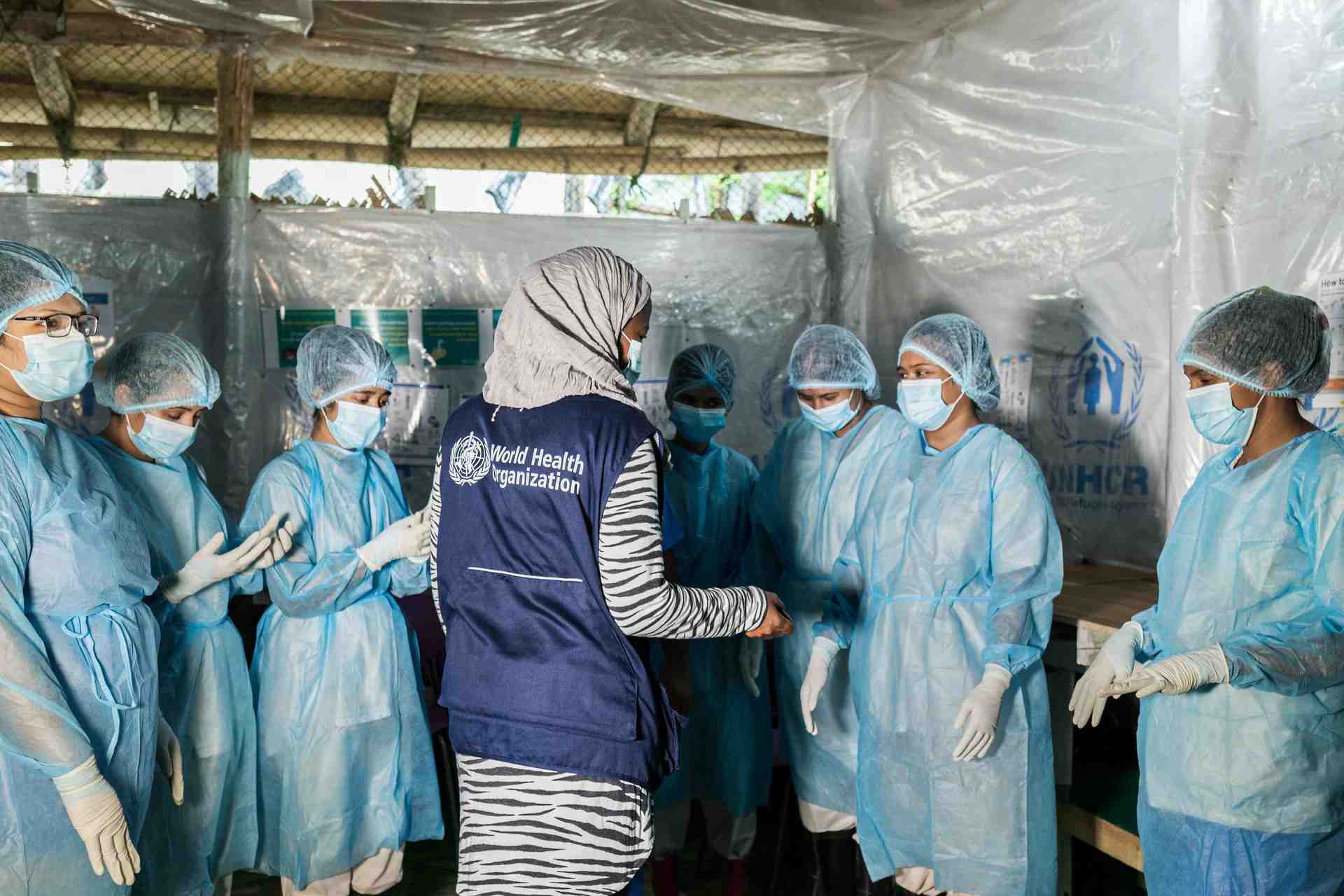
The Ministry of Public Health, in coordination with primary healthcare centers and relevant authorities, has begun field follow-ups. Patients are receiving necessary treatment while health monitoring is being conducted according to established medical protocols.
Tracing the Source of Contamination
Authorities are working to identify the origin of the suspected food contamination. In cooperation with the Lebanese Food Safety Authority, investigations now include inspections of the kitchen responsible for meal provision, along with the collection of food samples for laboratory testing.
Officials have stated that findings will be announced once investigations are complete, alongside measures to prevent similar incidents in the future.
A Broader Public Health Concern
The situation unfolds against a wider health backdrop. The World Health Organization has documented a rise in communicable diseases (illnesses that spread between people) across the Middle East in conflict-affected settings.
In Lebanon, reported cases of chickenpox, shigellosis (a bacterial intestinal infection), and influenza have increased, alongside rising cases of watery diarrhea, respiratory infections, and skin diseases. In this context, food poisoning outbreaks in shelters are particularly concerning.
Progress and Persistent Gaps
The Lebanese Food Safety Authority, established only four months ago, has shown an ability to respond quickly under pressure. Its mandate to unify food safety controls and strengthen oversight across the food supply chain marks an important step forward.
However, the incident raises a deeper question: how consistently are food safety standards being applied in shelters and displacement settings?
Standards Already in Place
International and national frameworks provide clear guidance. The Sphere Handbook on humanitarian response identifies access to clean water as essential in shelter settings, as it underpins safe food handling and hygiene.
At the national level, Lebanon Law 35 on Food Safety requires that perishable foods be stored at safe temperatures, kitchen facilities remain sanitary, and raw and cooked foods be handled separately to prevent cross-contamination (the transfer of harmful bacteria between foods or surfaces).
A Shared Responsibility
These standards represent a shared commitment between government institutions, humanitarian actors, and the broader community to the dignity and well-being of Lebanon's most vulnerable populations. Their consistent application across all shelter facilities, and by all external bodies providing food donations, reflects the collective responsibility that moments like this call for.