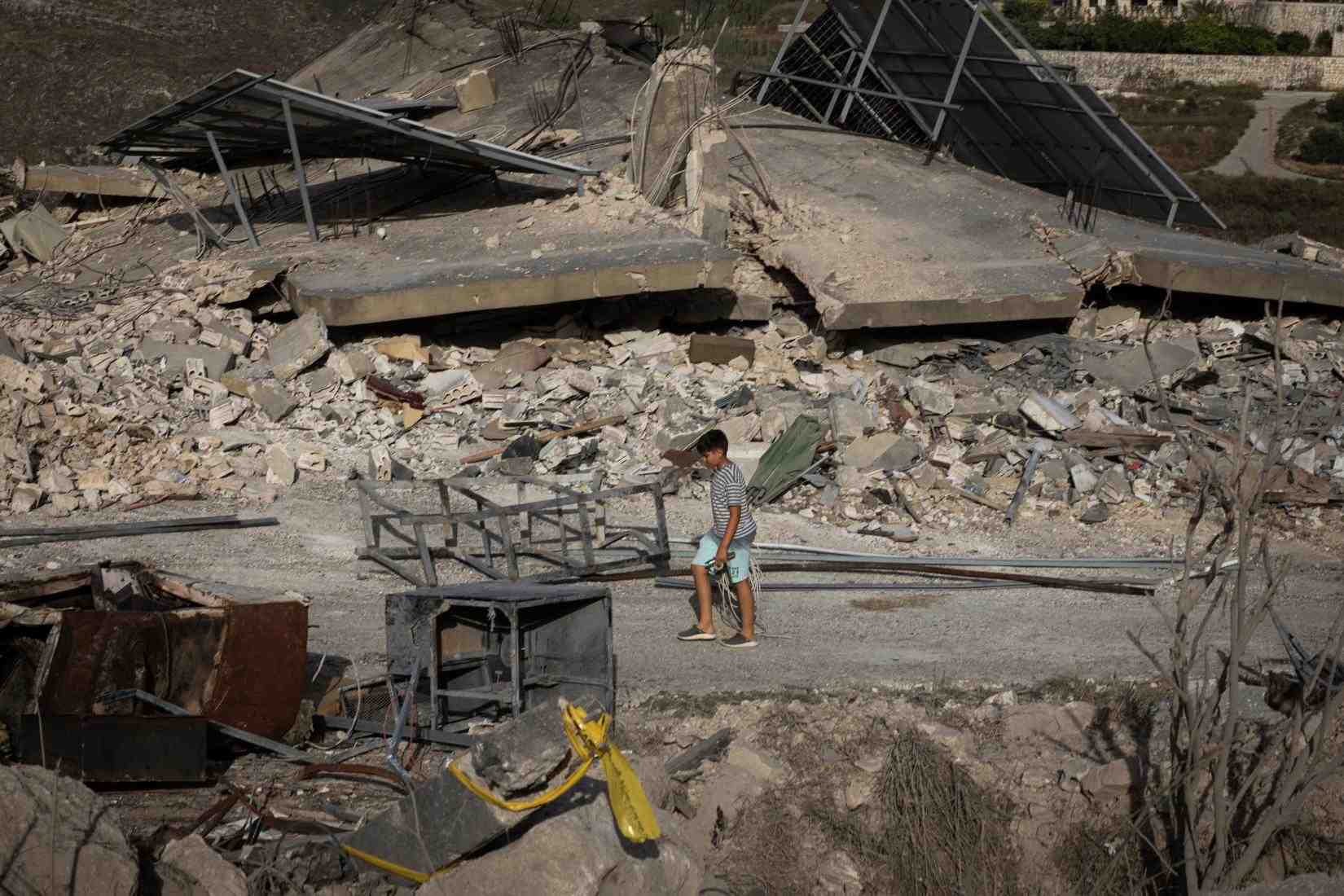


LEBANON - More than 48,000 migrant workers are currently displaced across Lebanon, according to estimates by the International Organization for Migration (IOM), as ongoing insecurity and mass population movements continue to reshape the country’s humanitarian landscape.
Yet despite their significant numbers, migrant communities remain largely absent from formal response systems, often left to navigate displacement with minimal institutional support.
Robert Gemayel, Regional Communications at Jesuit Refugee Service MENA (JSR), told Enmaeya that the displaced migrant population is highly diverse, including workers from Ethiopia, Bangladesh, Sri Lanka, Sudan, the Philippines, Sierra Leone, Cameroon, and other countries.
"They come from different evacuated areas in Lebanon, including the South, Nabatieh, Bint Jbeil, Sour, and Saida, as well as Beirut’s southern suburbs and neighbourhoods like Basta," Gemayel added.
A Crisis Within the Crisis
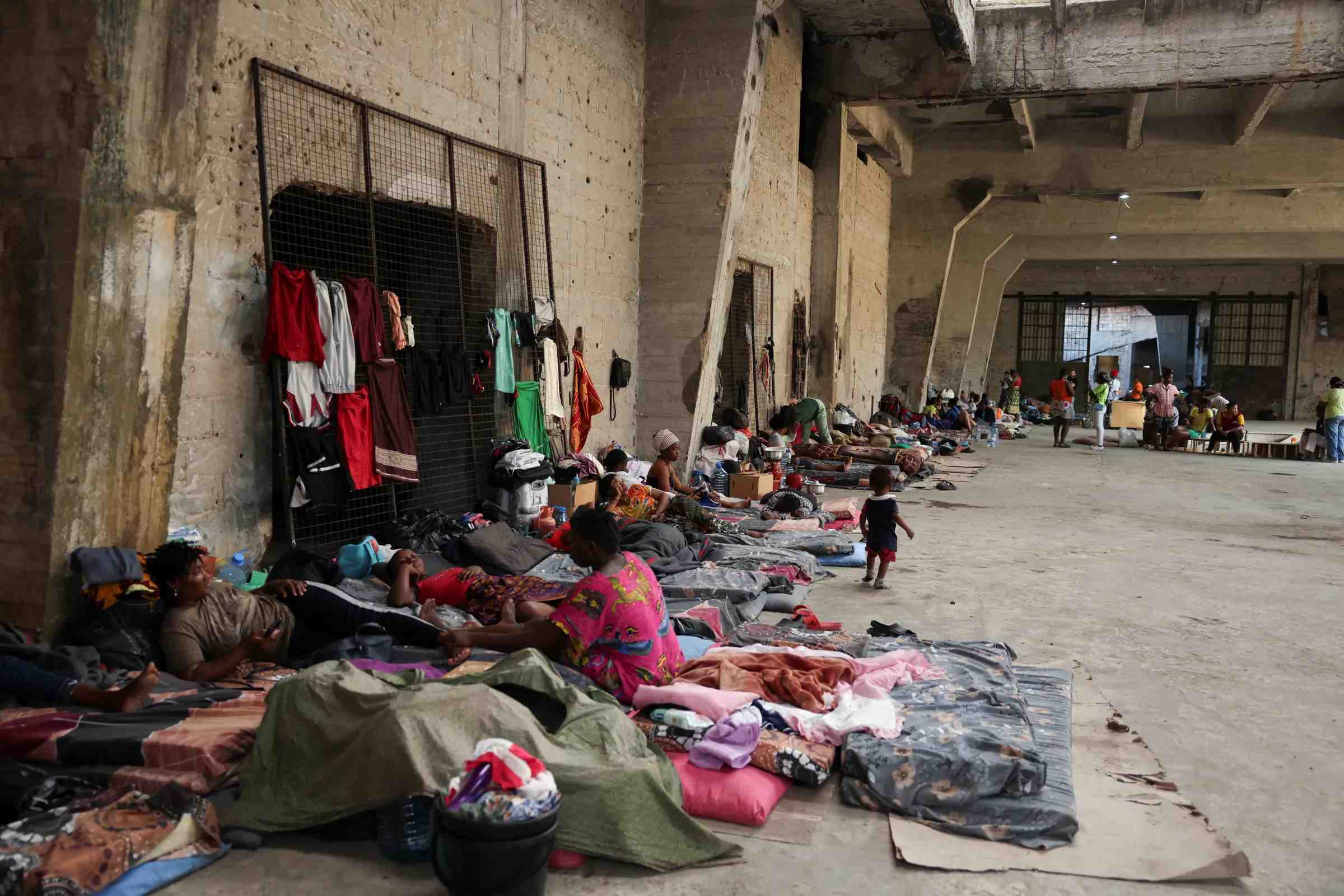
Despite this widespread displacement, access to shelter remains one of the most urgent and unmet needs. According to Gemayel, “there are no government shelters that are catering to migrants. Very few migrants have been able to access them.”
Instead, only a small number of NGO-run facilities are operating, including two or three shelters such as those managed by JRS.
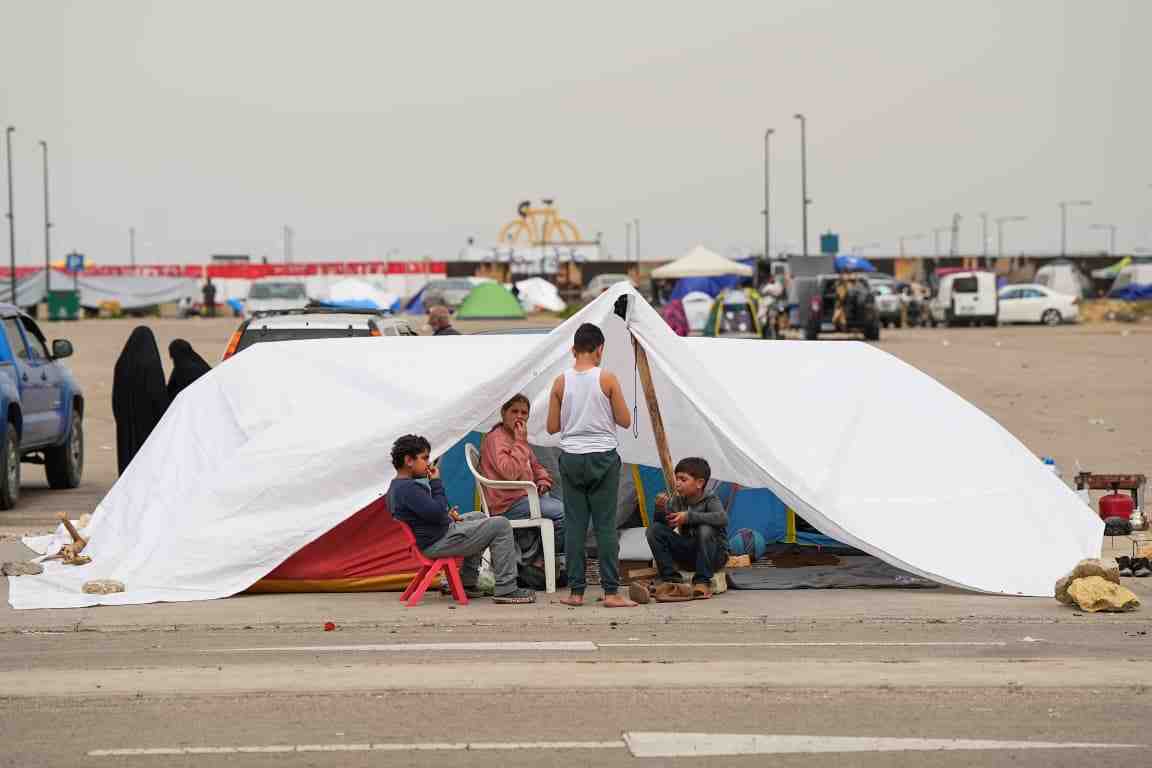
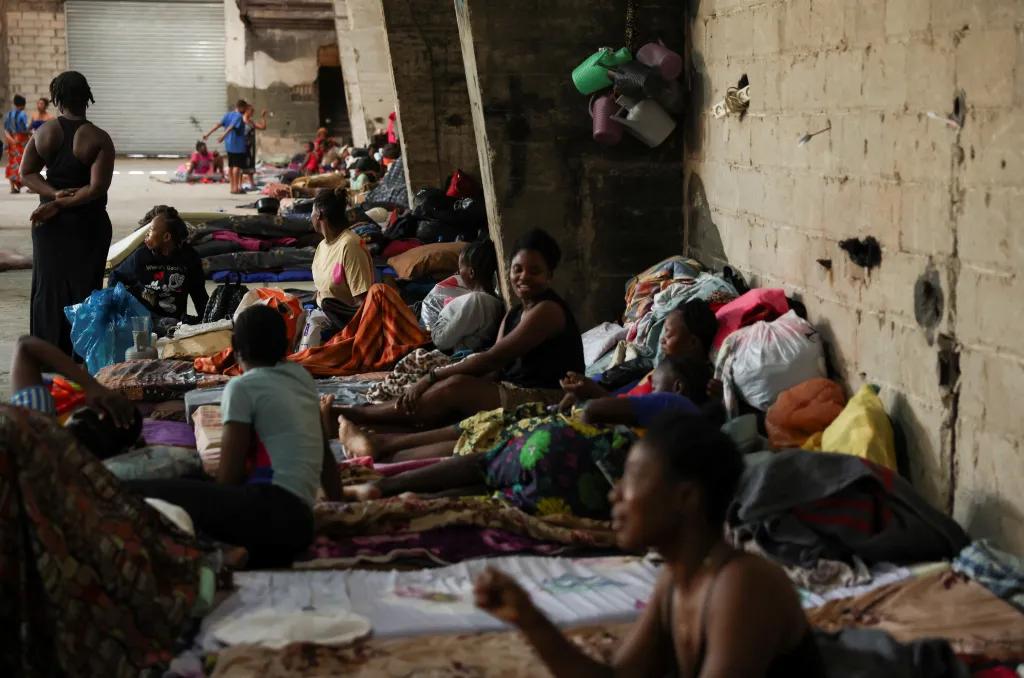
This limited capacity has pushed thousands of migrants into informal and often precarious living arrangements. Gemayel noted that more than 2,000 migrants are currently staying in known informal collective sites, many of which are coordinated by migrant-led community groups.
These grassroots networks have become essential lifelines, stepping in to provide food and basic assistance where formal systems fall short.
“Migrant community groups have kicked into gear, feeding thousands of people daily, and trying to meet needs others are not,” Gemayel explained.
While conditions in NGO-managed shelters tend to be more stable, offering access to medical care, food, and mental health and psychosocial support through coordination with aid structures, these spaces remain limited in number and reach.
The shortage of shelter is compounded by structural barriers that make expansion difficult. Exploitative rental markets, overwhelming demand from displaced Lebanese populations, and patterns of exclusion from services. Every day, humanitarian organisations such as JRS receive new requests for shelter that they are unable to fulfil.
A Dominant Pattern of Exclusion
Beyond material shortages, migrant workers face a deeper form of marginalisation: invisibility. Often excluded from services labelled “Lebanese only,” they are systematically left out of official assistance mechanisms. This invisibility, however, is not uniform in its effects.
In some contexts, being outside formal systems can also mean avoiding exposure to other forms of control or politicised aid structures, creating a complex and uneven experience of protection and risk.
Still, the dominant pattern is exclusion. Many migrants find themselves treated as an afterthought in both policy and practice, despite having lived and worked in Lebanon for years.
Some of those now in shelters report being abandoned by employers as they fled the country, suddenly left without housing or support.
“They are treated as an afterthought and disposable,” Gemayel noted, highlighting how structural vulnerabilities are intensified during crises.
Yet migrant communities are not passive recipients of aid. They are "highly organised, deeply networked, and often self-reliant" in the absence of institutional support, according to Gemayel.
Humanitarian Actors on the Frontline
Humanitarian actors, including JRS, have made efforts to incorporate migrant perspectives into program design, but such inclusion remains limited and inconsistent.
Advocacy continues for stronger formal recognition of migrant needs within Lebanon’s broader emergency response framework.
For Gemayel and others working in the sector, key priorities include formal inclusion in national response plans, sustained advocacy by migrant groups and allies, greater involvement from the Ministry of Social Affairs and UN agencies, and stronger accountability for exploitative employers who abandon workers during times of crisis.
Until then, migrant workers in Lebanon remain caught between visibility and neglect, numerous enough to be essential, yet overlooked in the systems meant to protect them.