World — April 15 marks International Wellness Day, designated by the United Nations, promoting accessible, inclusive, and affordable approaches to well-being through education and cultural exchange.
Yet today, wellness is increasingly framed as a commodified global trend: one often centered on individual consumption rather than collective care.
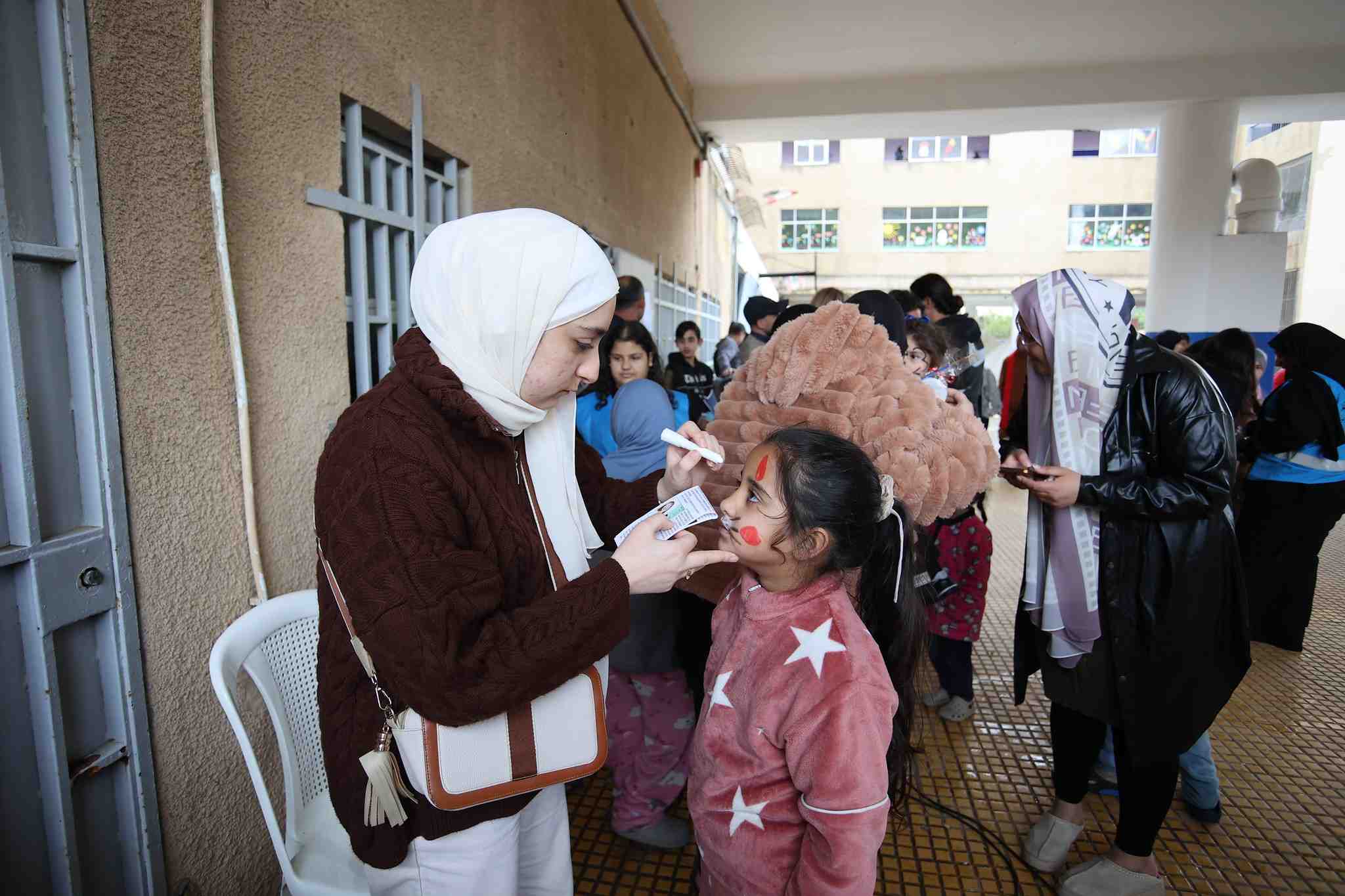
In Lebanon, however, wellness has long been practiced differently: not as a gym membership or a yoga retreat, but as a culture of community, resilience, and giving. Long before wellness became a trend, Lebanon already knew how to heal.
Wellness and Belonging
In many modern interpretations, wellness is framed as a personal responsibility, something built through discipline, routine, and individual choice. In Lebanon, it has often been shaped by social structures and a strong reliance on community.
Wellness is not only found in curated routines, but in everyday interactions, around the dining table, within family networks, in neighborhoods, and in shared workspaces.
It is influenced by social ties and a sense of belonging, even if these systems are not always stable or accessible to everyone.
Table As a Place of Healing
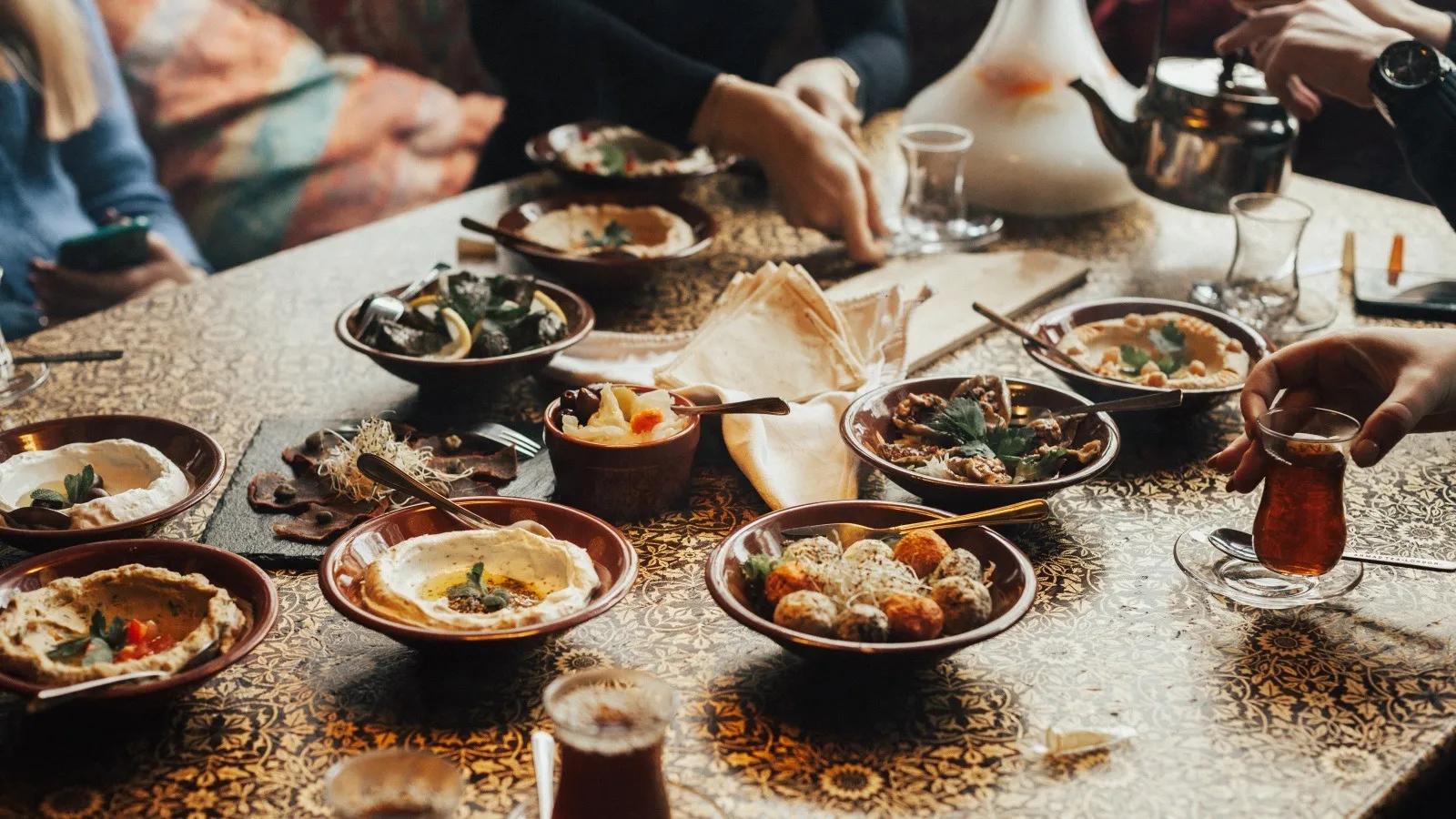
Food in Lebanon often plays roles beyond its function; it is a central part of our culture.
Lebanese cuisine, a regional expression of the Mediterranean diet, is shaped by local ingredients, culture, and traditions. This makes it healthy and rich in vegetables, nutrient-dense legumes like chickpeas, lentils, and fava beans, and healthy fats such as extra-virgin olive oil and fresh herbs.
Food is also a cultural and social act. For example, mezza, a spread of shared dishes placed at the center, encourages slowness and sharing.
Meals are not rushed, and conversations stretch, laughter lingers, and the act of eating becomes secondary to the act of being together.
Similarly, cooking is an act of love, a way to assure the other person, “you are welcome here”. Historically, cooking has always been a way to bond multigenerational women in the same household, promoting connections and collectiveness. Cooking goes from being a means to an end and becomes regulation, comfort, and continuity.
Rituals That Anchor Us
Beyond food and family, Lebanese culture is rich with rituals that give structure to life. From large, faith-centered celebrations to simple daily routines like a morning coffee or visiting neighbors in the evening, these practices offer small but meaningful moments to slow down. They mark time, offering predictability in a world that often feels uncertain.
There is power in repetition. In doing the same things, in the same way, with the same people. It creates a sense of grounding, a reminder that not everything is changing, even when much else is.
What Happens When Life Speeds Up
Today, these traditions exist alongside a very different reality. Economic pressure, instability, and the pace of modern life have reshaped how people live. Time feels tighter. Distance, both physical and emotional, has grown. For many, the rituals that once came naturally now require effort to maintain.
And yet, in moments of difficulty, people often return to them.
They cook more at home. They visit family more often. They seek out the familiar: the foods, the places, the routines that offer comfort when everything else feels uncertain.
This reveals something important: these cultural practices are not just nostalgic. They are functional. They endure because they work.
Reclaiming What Was Never Lost
As global wellness culture continues to expand, there is a temptation to look outward, to adopt new systems, new habits, new definitions of what it means to be well.
But perhaps, in Lebanon, the more urgent task is to look inward.
To recognize that wellness is already present in the way people gather, cook, celebrate, and support one another. That it exists not in perfection, but in persistence, in showing up, again and again, for the people and practices that give life meaning. Within these traditions lies a form of resilience, one that does not rely on trends but on continuity.