



MIDDLE EAST - The International Fund for Agricultural Development (IFAD) has warned that the ongoing conflict in the Middle East is triggering severe disruptions across global food systems.
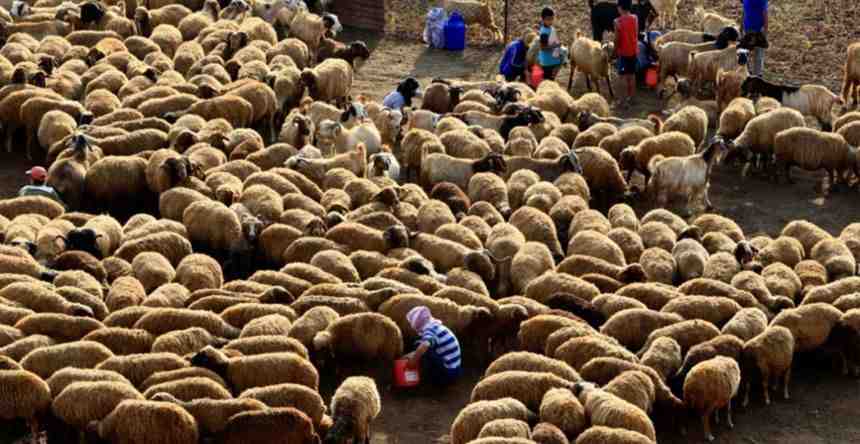
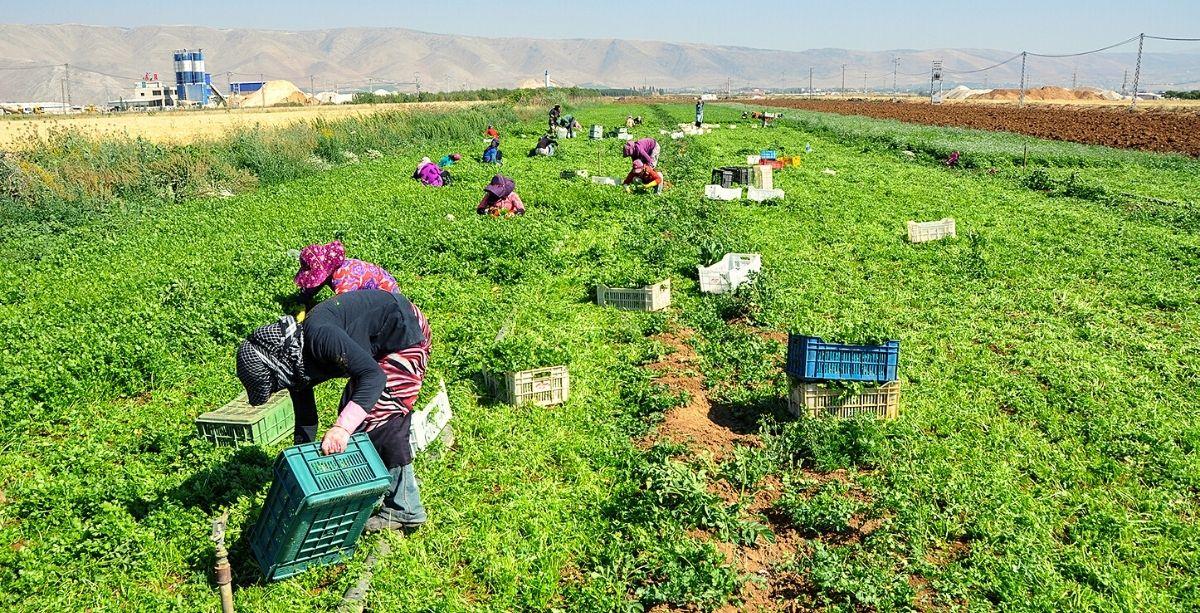
In a policy paper released ahead of the World Bank and IMF Spring Meetings, IFAD says the crisis is exposing major weaknesses in global agricultural supply chains. It also highlights that small-scale farmers, who produce around one-third of the world’s food, are being heavily affected.
IFAD also notes that the crisis is creating two types of shocks. The first are supply-side shocks, especially in fertilizer, fuel, and food production. The second are demand-side shocks, driven by higher inflation and lower purchasing power.
IFAD adds that these combined pressures are increasing food insecurity in many regions around the world.
In Lebanon, agricultural output has fallen sharply, with the 2025 cereal harvest dropping to nearly half of its five-year average due to conflict-related damage and soaring input costs. Fuel prices have risen by up to 29%, further straining production systems.
“The abrupt halt in fertilizer and fuel shipments through key maritime routes has already impacted farmers and small-scale producers around the world,” said IFAD President Álvaro Lario in the report. “The crisis demonstrates the systemic vulnerabilities of the global food system.”
According to IFAD, fertilizer prices have doubled in some markets, rising from around US$350 per metric ton to more than US$700 within weeks of the escalation. Fuel costs for small-scale producers have also increased by up to 30%, sharply raising production and transport expenses.
In some countries, up to 54% of fertilizer imports originate from Gulf suppliers, leaving farmers highly exposed to supply chain disruptions.
Despite the challenges, IFAD highlighted several resilience strategies, including locally produced fertilizer alternatives, agroecological farming practices, and digital agricultural tools designed to improve resource efficiency.
The organization called for increased investment in rural economies, warning that strengthening resilience at the “first mile” of food systems is essential to preventing future global food crises and stabilizing supply chains amid ongoing geopolitical uncertainty.