




WORLD - Global news media is significantly underreporting violence against women and girls, with coverage of misogyny, defined as hostility and prejudice against women, falling to its lowest level in years despite widespread and persistent gender-based violence, according to a new report by AKAS.
The Global Misogyny News Coverage Tracker reviewed more than one billion online news articles published between 2017 and 2025.
It found that only 1.3% of global online news in 2025 mentioned abuse or violence against women, down from 2.2% in 2018 during the #MeToo movement. Researchers say this shows a steady drop in media attention to violence against women as a wider social issue.
The report also found that even in major, widely reported cases, violence against women is rarely the main focus. Instead, coverage often focuses on dramatic details or individual stories, rather than explaining the broader patterns and causes behind the violence.
For instance, The Guardian analysed media coverage of the Jeffrey Epstein case from 2017 to February 2026. Out of nearly one million Epstein-related articles, the term “violence against women” appeared in just 0.1% of coverage.
In contrast, 25% of articles mentioned “victims”, while 26% referenced themes such as “power”, “money”, “elites”, or “corruption”.
The analysis also found that coverage often fails to address the deeper, structural nature of violence against women, including long-standing biases and power imbalances that enable such abuse to persist.
According to lead author Luba Kassova, the findings suggest that a gender-inequality lens is largely missing from coverage of the Epstein story. As a result, reporting does not fully engage with the underlying causes of the problem.
Media Blind Spots in Lebanon and the Middle East
In the Arab world specifically, evidence suggests the scale may be even larger in some contexts. UNFPA reports that in the most affected areas of the region, nearly two-thirds of women and girls experience violence in their lifetime, although data gaps remain significant, particularly in conflict and displacement settings.
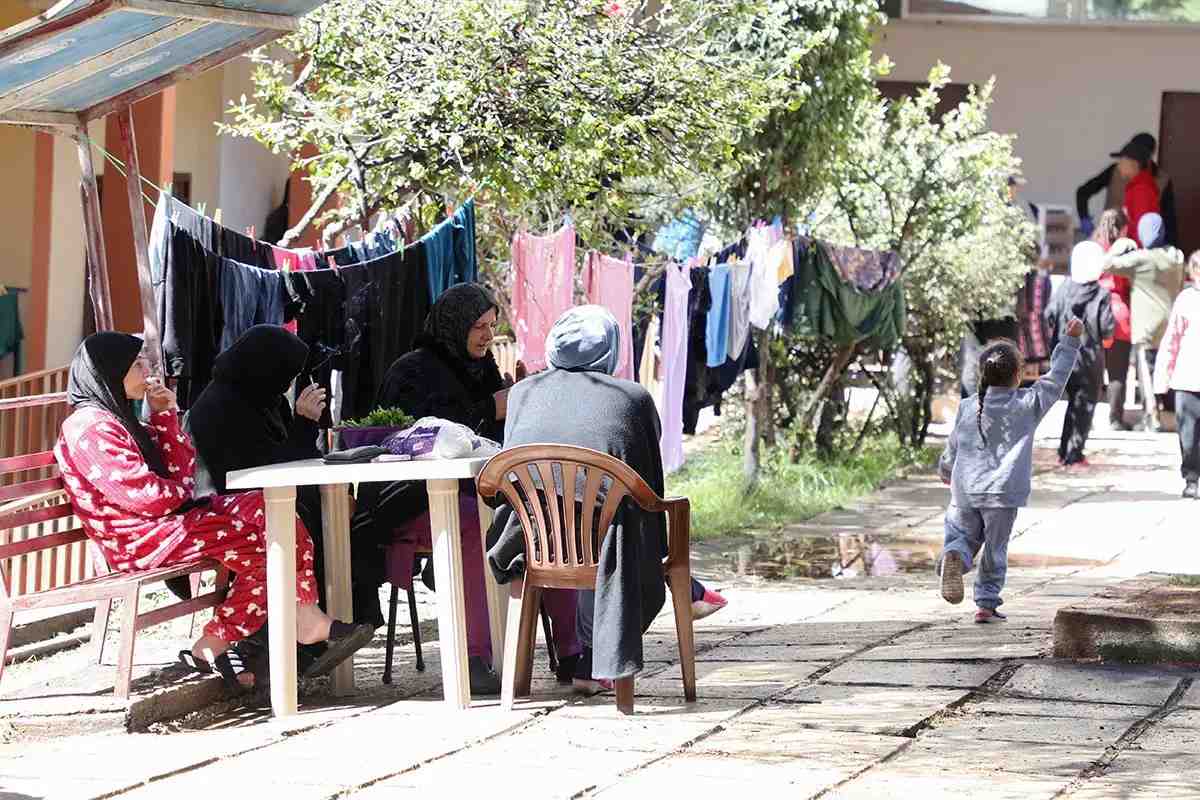
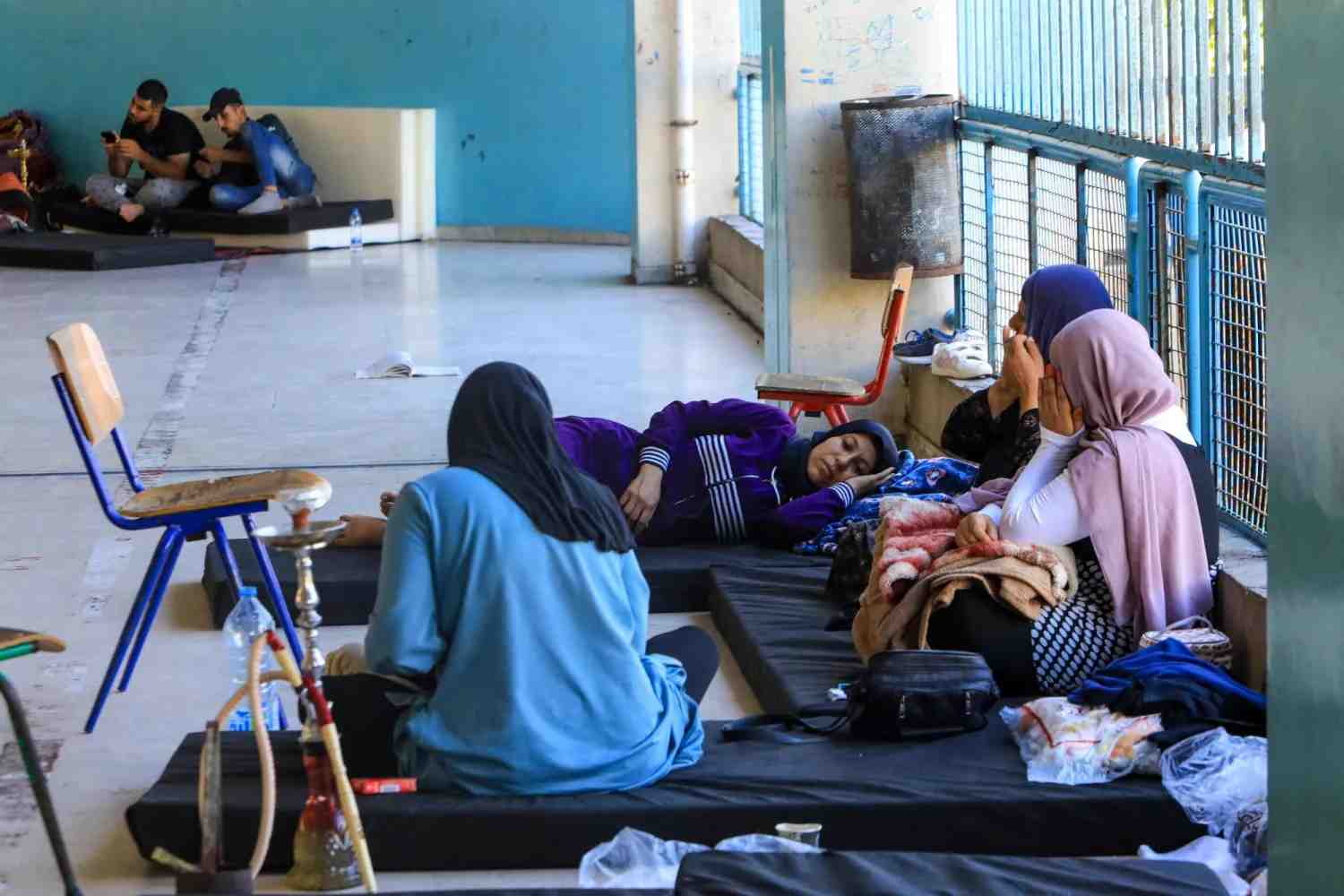
In Lebanon, UN Women has warned that crisis conditions have intensified risks for women and girls. In 2026, the agency reported that around 620,000 women and girls were displaced in recent escalations, with over 85% living outside formal shelters, increasing exposure to exploitation and gender-based violence.
Despite this scale, media coverage in Lebanon has often struggled to reflect the seriousness or structural nature of the issue. A case study by the Arab Institute for Women (AiW) at the Lebanese American University (LAU) on “Media Hostility: Case Studies on Backlash in the Lebanese Media” found that coverage of gender-based violence cases between 2019 and 2022 frequently normalised abuse in television and news reporting.
The study, which examined four major cases of violence against women, found that incidents were often presented as private family disputes or isolated crimes rather than part of a broader pattern of violence against women in society.
It also noted that some talk shows used highly dramatic storytelling, which can shift attention away from the seriousness of the issue and the experiences of survivors.
Taken together, these findings highlight a gap between the scale of violence against women in Lebanon and the wider region, and the way it is reflected in media coverage.
What Can Be Done
Closing the gap in how violence against women is covered would require changes in both how stories are reported and how they are framed.
One important step is moving beyond reporting incidents as isolated cases. Providing basic context, such as whether similar cases have occurred before or how laws and systems respond, can help readers better understand that these are not standalone events.
Another approach is widening the range of voices included in coverage. This includes relying not only on official statements, but also including perspectives from researchers, legal experts, and organisations working on gender-based violence, where available.
The language used in reporting also plays a role. Clear and neutral wording, rather than dramatic or emotionally charged framing, helps keep attention on the seriousness of the issue and avoids shifting focus away from the harm itself.
Finally, consistent coverage matters. Reporting on violence against women only during high-profile cases or breaking news moments can limit public understanding of how widespread and ongoing the issue is. Regular coverage, even in smaller stories, helps build a clearer picture over time.