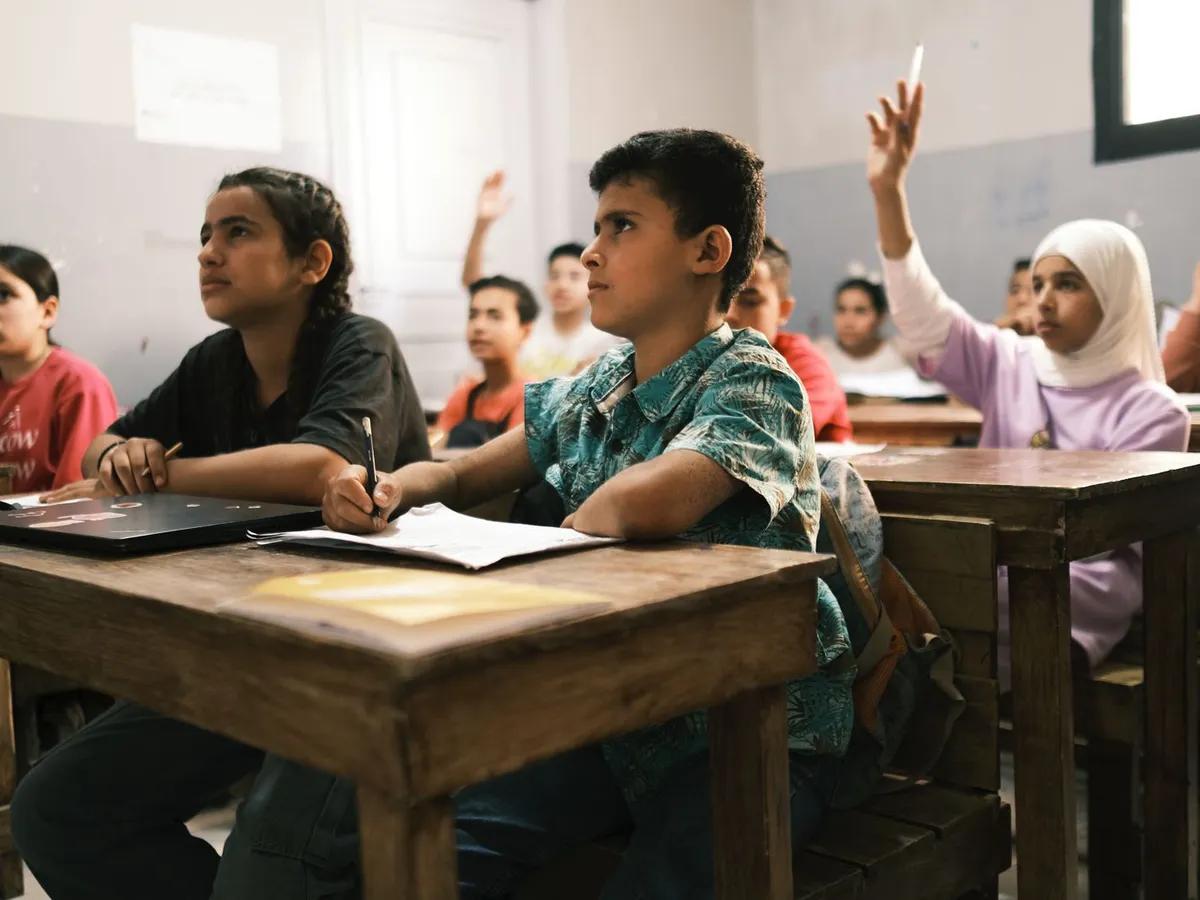
BEIRUT - Every morning, around 220 students aged between 12 and 18 fill the classrooms at Alsama school in Shatila refugee camp, where an innovative learning experience unfolds. Just six months ago, around 90% of these students arrived unable to read, write, or perform basic numeracy; today, the majority can read, write, and calculate with confidence.
What makes this learning experience unique, beyond its impact in transforming the lives of thousands of refugee children, is that the teachers themselves often come from similar backgrounds.
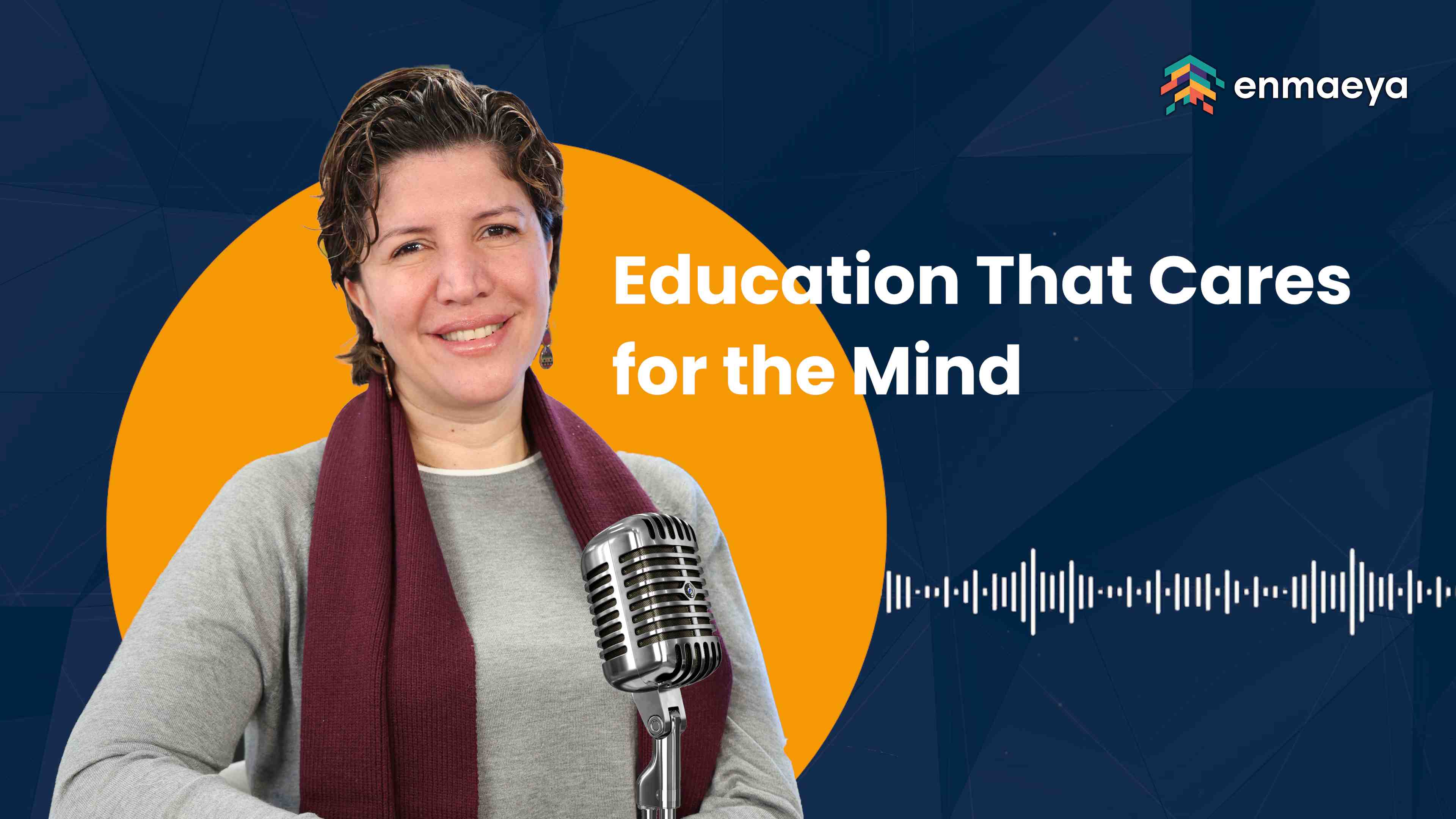
Among them is Rayan Almahmoud, a 25-year-old Palestinian refugee and Life Skills and Professionalism Coordinator at Alsama. “My story is closely connected to the students I work with,” she tells Enmaeya. “I understand what it means to grow up amid uncertainty about education and the future.”
Having started at Alsama three years ago, Rayan now helps shape how students learn to navigate both education and life beyond the classroom.
“Our classrooms feel different because they are built around the students’ reality,” she explains. “We don’t just focus on textbooks; we focus on life. Everything we teach is connected to what students will face outside school.”
That connection is essential for students who often arrive carrying interrupted education, financial pressure, or family responsibilities. In the classroom, these challenges appear not only as academic gaps but also as hesitation, low participation, and uncertainty. “Sometimes the biggest challenge is helping students believe that they actually have a future worth working for,” Rayan says.
A Change Rooted in Confidence
Over time, however, changes become visible. Students who were once withdrawn begin to participate more actively, expressing opinions and engaging in discussion.
“The change I’ve seen is not just academic, it’s personal,” she says. “They go from being quiet and unsure to speaking up, sharing their opinions, and believing in themselves.”
As confidence builds, a deeper shift takes place. Students begin to reframe how they see themselves, not as limited by circumstance, but as capable of growth and contribution.
“When students start to see their own value, something shifts,” Rayan explains. “They stop seeing themselves as limited by their circumstances and start seeing that they can actually contribute.”
Many go on to express a desire to support others facing similar challenges, reinforcing a cycle of learning and empowerment within the community.
For Rayan, this transformation is also personal. Having navigated her own uncertainty after graduation, she understands the importance of guidance and reassurance.
“So when I work with students now, I feel like I’m giving them something I didn’t have,” she says. “Someone who understands, and helps them feel capable.”
An Alternative Approach to Refugee Education
Alsama’s model continues to grow as an alternative approach to refugee education: one that prioritises inclusion and student voice.
But for Rayan, the most important impact remains simple: helping young people in Shatila see that their future is not decided for them, but something they can actively shape.