

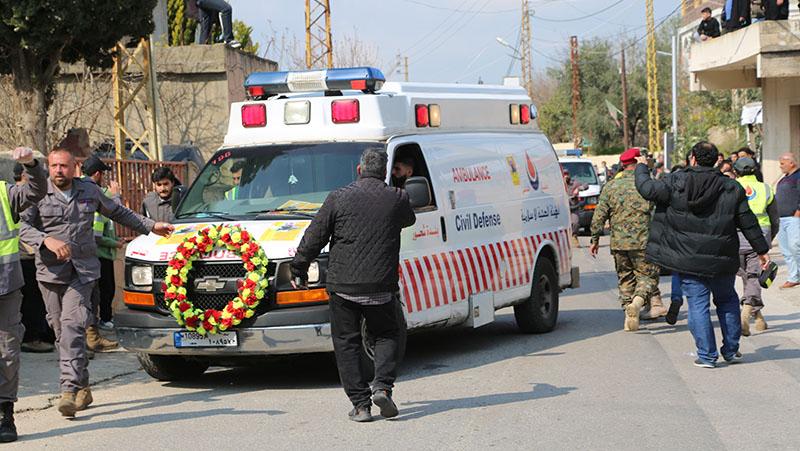
LEBANON - According to the Lebanese Ministry of Public Health, MoPH, there have been 150 attacks on healthcare, which have led to 234 healthcare workers being injured and 103 killed as of 2nd of March 2026. This begs the question: what happens to a health system when the people who hold it together are themselves under attack?
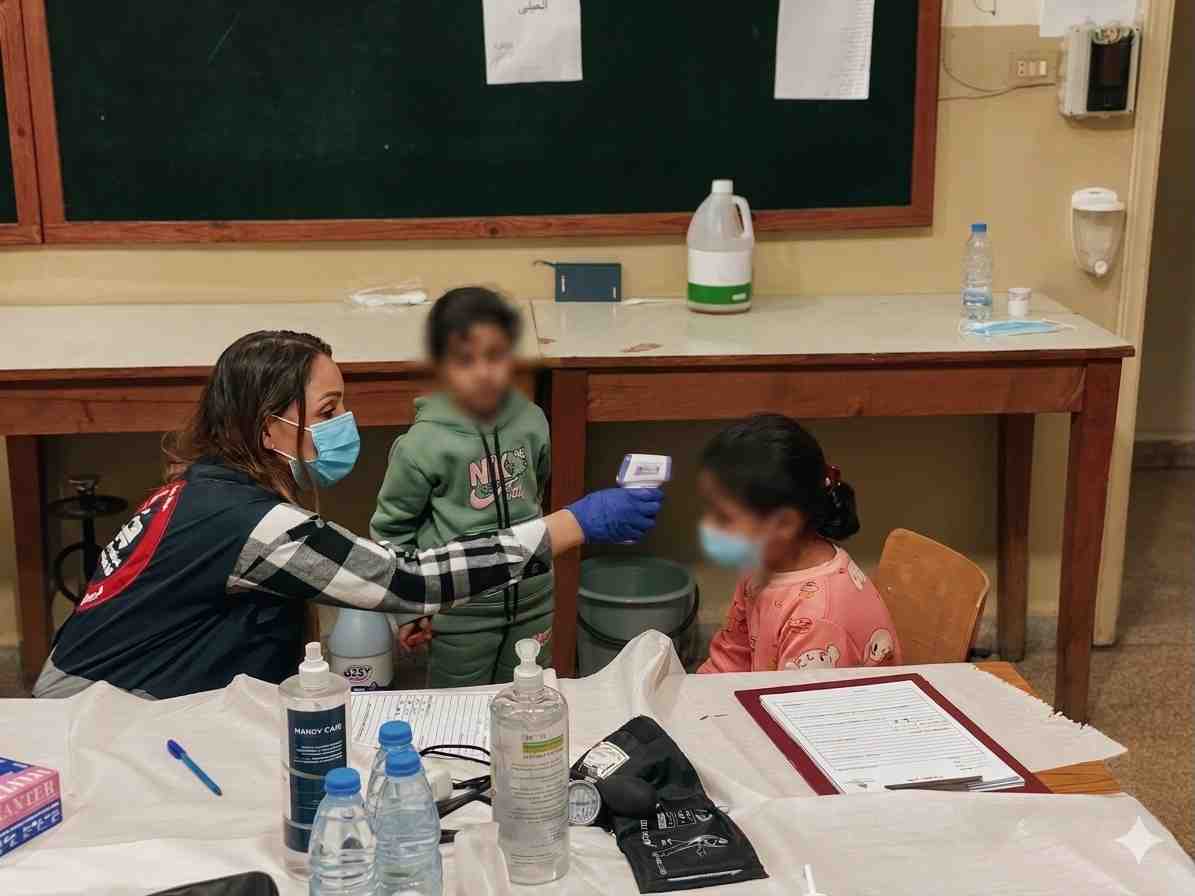
Health workers are often described as being “on the frontline,” but this term can sometimes hide the full scale of their role. Doctors, nurses, paramedics, midwives, technicians, pharmacists, ambulance drivers, and emergency responders are not simply individuals delivering care. They are the human infrastructure that allows hospitals, clinics, emergency units, and public health systems to function.
A hospital bed has limited value without trained staff to manage it. An ambulance cannot save lives without paramedics able to reach the wounded. A primary healthcare center cannot protect a community without nurses, doctors, and staff who provide vaccines, maternal care, chronic disease follow-up, medication, and early diagnosis.
This is why attacks on healthcare have consequences far beyond the moment of violence. The International Committee of the Red Cross has long warned that violence against healthcare personnel, facilities, and ambulances deprives communities of life-saving care and disrupts services when they are needed most. WHO has also described attacks on hospitals and health workers in Lebanon as a direct threat to the continuity of health provision, especially when health facilities are already under severe pressure.
There is also a quieter crisis: exhaustion. Health workers in conflict settings carry a double burden. They are expected to care for the injured while facing danger themselves. They witness death, treat mass casualties, support grieving families, and continue working despite uncertainty about their own safety and their families’ well-being.
WHO has increasingly emphasized that protecting the mental health and well-being of health and care workers is essential to maintaining functioning health systems, particularly where burnout, trauma, and unsafe working conditions threaten both workers and patients.
This is where the development lens becomes important. Protecting health workers is not only a humanitarian obligation; it is also a condition for national resilience. A country cannot maintain public health, protect vulnerable groups, respond to emergencies, or rebuild after a crisis if the people who deliver care are themselves unprotected. Health workers are part of the same essential infrastructure as electricity, water, roads, and communications. When they are harmed, the consequences reach every household.
Rebuilding healthcare, therefore, cannot only mean repairing buildings and replacing equipment. It must also mean protecting health workers, supporting their mental health, ensuring safe access to facilities, maintaining salaries and supplies, and planning for emergency staffing. Lebanon’s ability to recover depends not only on whether hospitals remain standing, but on whether the people inside them can continue caring.