



SAIDA - As displacement increased in Saida, thousands of families faced limited access to essential healthcare services in overcrowded shelters and vulnerable neighborhoods.
In response, the Hariri Foundation, in coordination with local authorities and partners, supported the activation of a coordinated health response to ensure timely and equitable access to care.
A key milestone was the activation of the Saida Health Network, which brought together primary healthcare centers, dispensaries, and health actors under a unified coordination mechanism.
This enabled improved service mapping, streamlined referrals, and more efficient delivery of care for internally displaced persons (IDPs) and host communities.
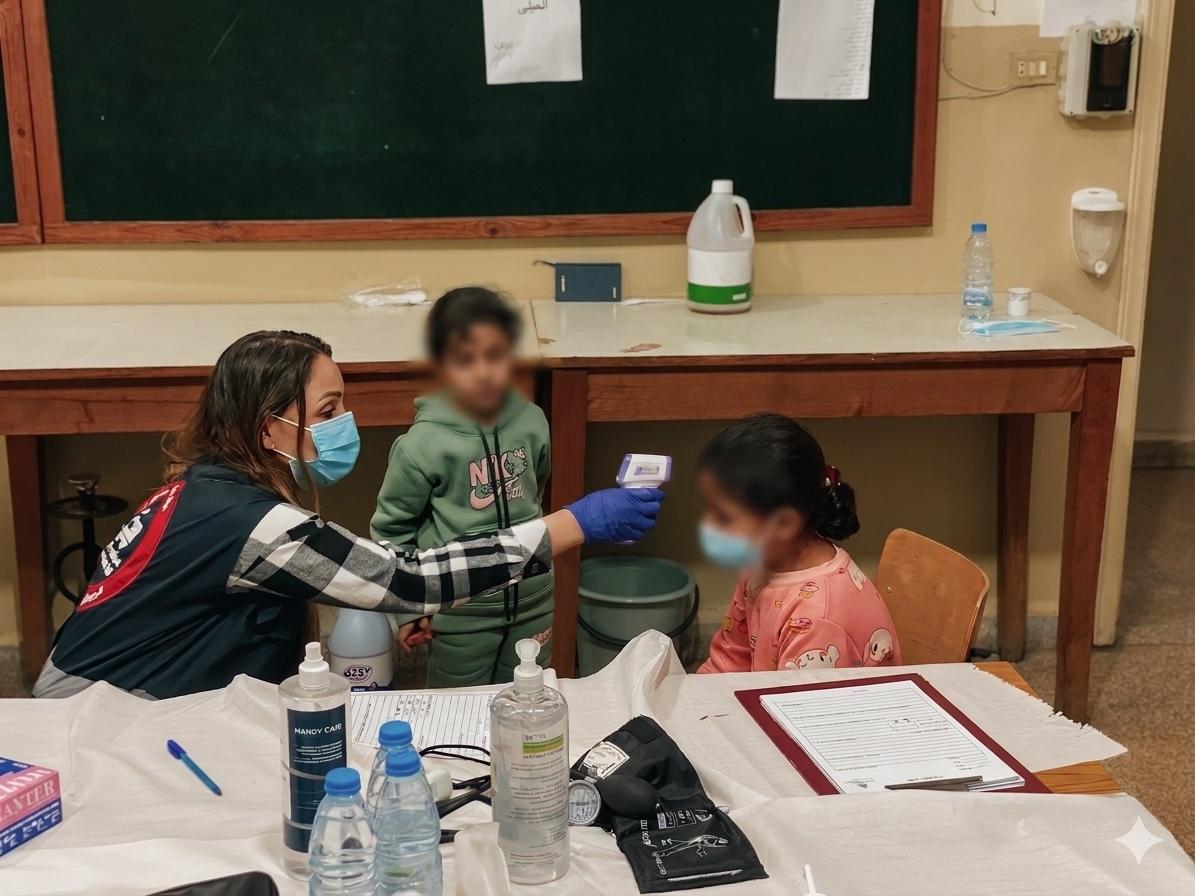
Building on this coordination, a mobile medical clinic was deployed to deliver primary healthcare services directly to affected populations across five collective shelters and four vulnerable neighborhoods.
Complementing these efforts, the Hariri Foundation Social Medical Center (HFSMC) and Hariri Foundation Mobile Medical Unit (HFMMU) recorded:
Implemented 896 medical examinations in shelters
Conducted 37 field clinical visits
Carried out 158 field ambulance missions
Organized 128 patient transport missions, ensuring continuity of care and timely emergency response.
In parallel, rapid pharmaceutical assessments were conducted, and a medication service mechanism was established to address urgent shortages.
Standard operating procedures and referral pathways were also developed, strengthening emergency health coordination across partners, including the Ministry of Public Health, Saida Municipality, the Lebanese Red Cross, and local actors.
By reinforcing coordination through the Saida Health Network and expanding access to frontline services, the Hariri Foundation team, in coordination with the partners, has enhanced continuity of care, reduced health risks, and supported the dignity and resilience of displaced communities.