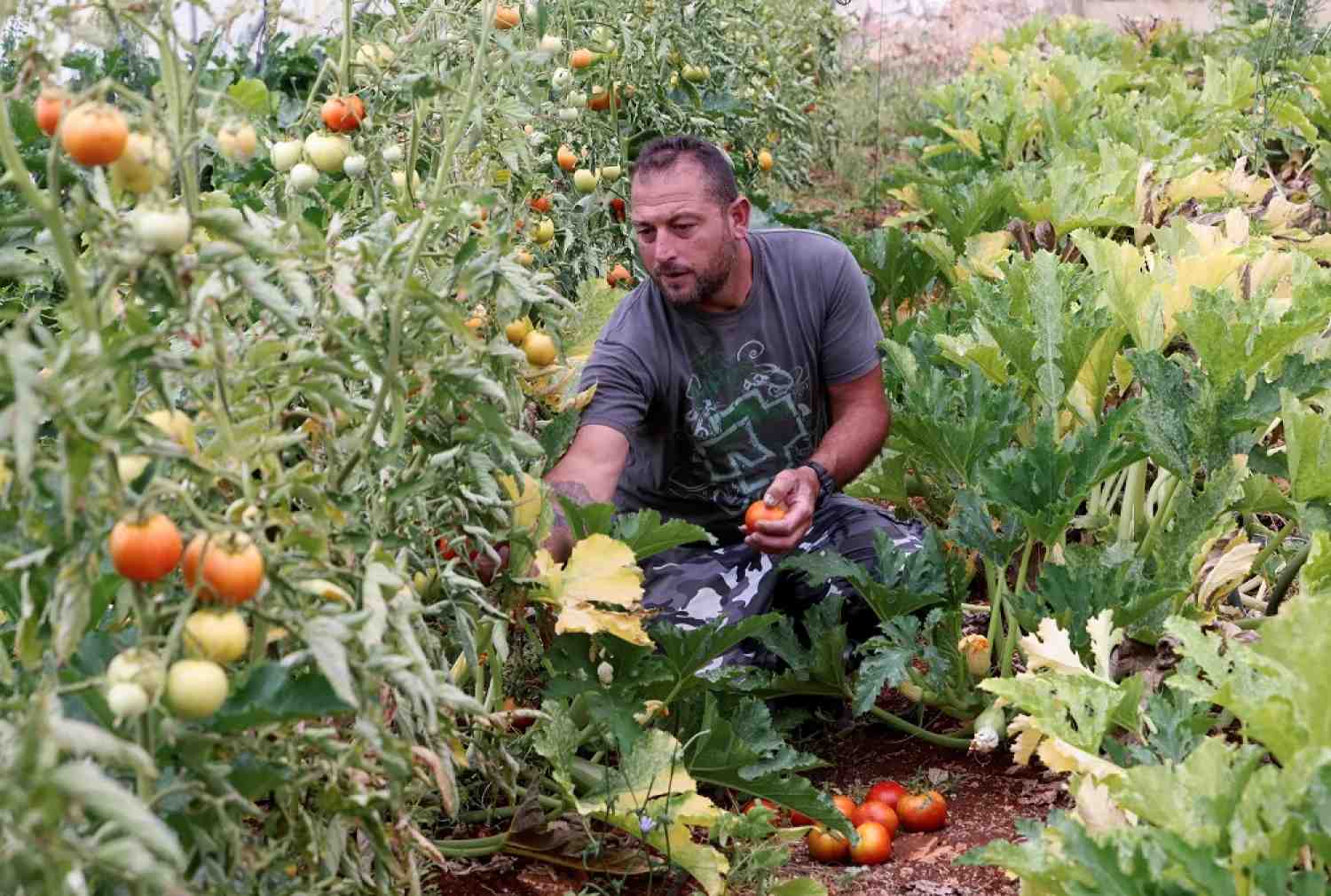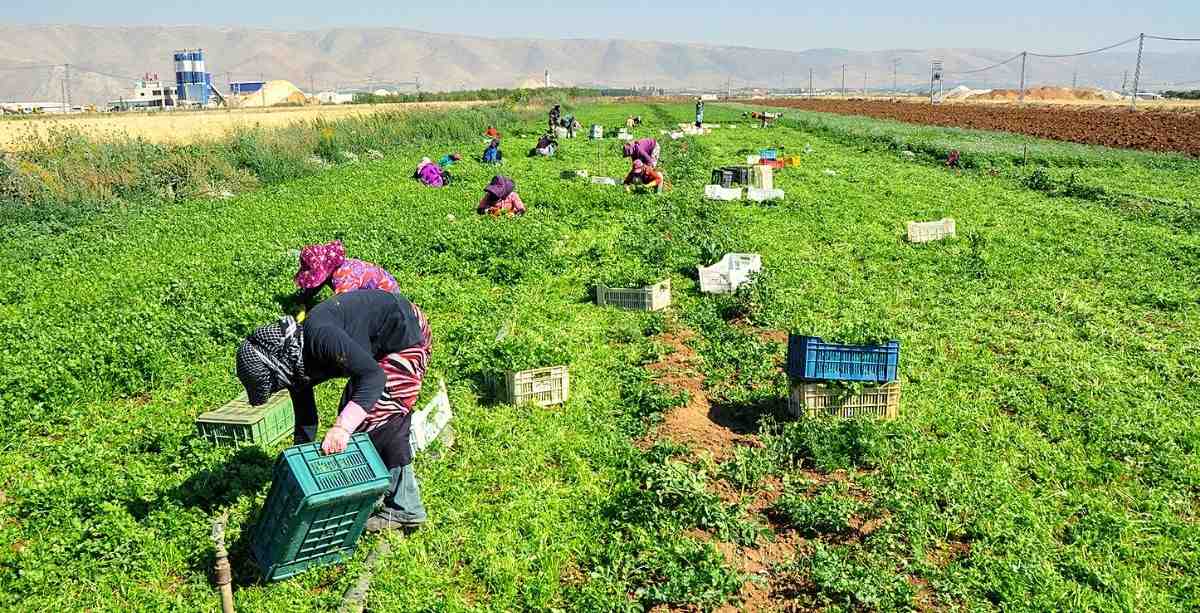




LEBANON – The Ministry of Agriculture, in its weekly report under the National Response Plan, revealed significant damage to the agricultural sector in southern Lebanon as a result of ongoing hostilities, affecting farmland, production infrastructure, and livestock.
According to the report issued on May 4, 2026, the total affected agricultural area across Lebanon reached 56,264 hectares, while directly damaged land was estimated at 18,559 hectares, representing 22.5% of agricultural land in conflict-affected areas in the south.
Damage was recorded across 64 southern towns, affecting farmland, irrigation networks, and production facilities. The report also confirmed that small-scale farmers are the most affected group, with small holdings accounting for around 80% of agricultural activity in southern Lebanon.
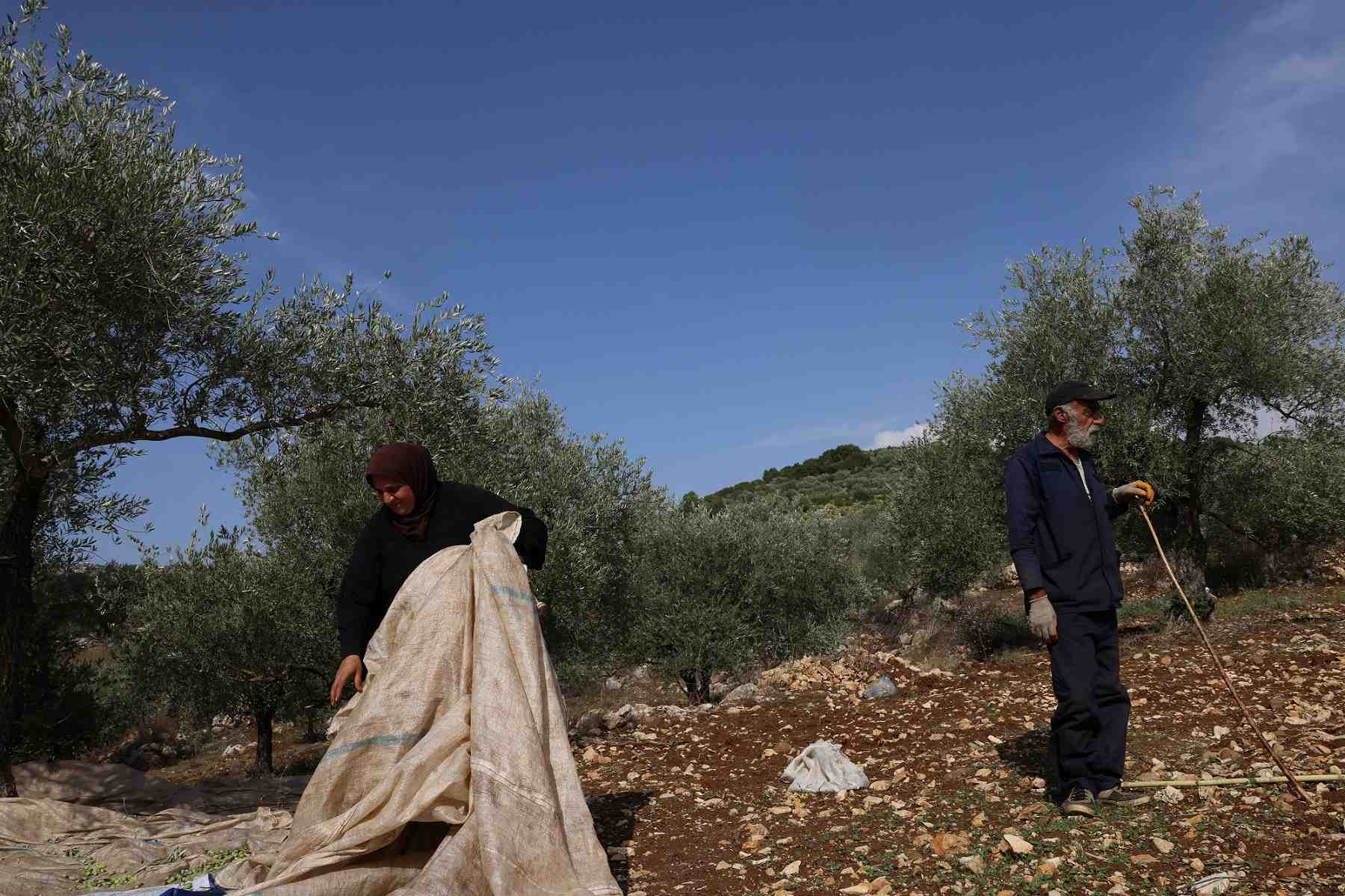
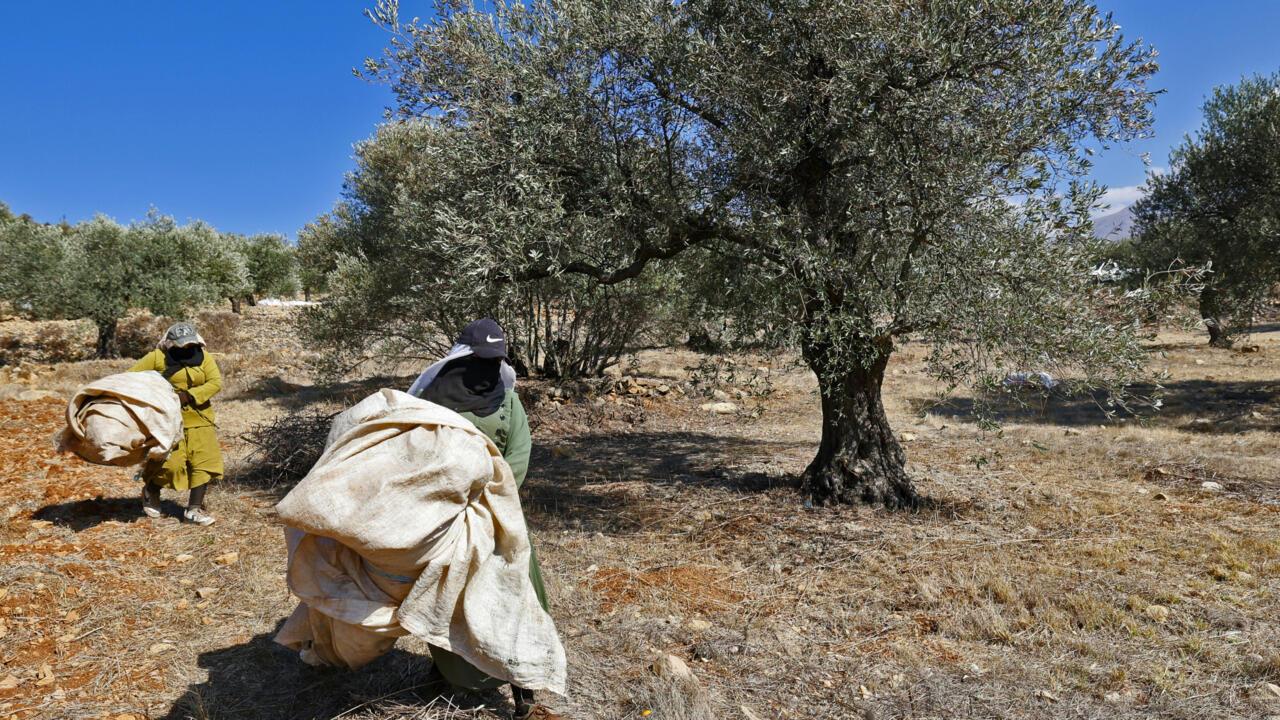
The report highlighted extensive damage to crops, with fruit trees affected over 11,075 hectares and olive groves over approximately 6,600 hectares. It also noted severe losses in agricultural infrastructure and livestock, including the death of more than 1.8 million poultry, sheep, goats, and cattle, as well as losses in beekeeping and fish farming.
In addition, around 77.9% of farmers in the south remain displaced, while the Ministry of Agriculture continues to implement a response plan that includes financial and in-kind assistance, in cooperation with international partners such as the World Food Programme and the European Union.
The ministry warned of serious implications for national food security, given that southern Lebanon is one of the country’s key agricultural regions, stressing the need to accelerate support measures to ensure the continuity of agricultural production.