


LEBANON - The Ministry of Agriculture in Lebanon has introduced an updated digital platform designed to coordinate agricultural recovery efforts and manage post-war damage data more effectively, during a meeting held in Beirut with international partners and stakeholders.
The meeting took place at the National Council for Scientific Research (CNRS-L) headquarters in Jnah, with Agriculture Minister Nizar Hani, UN Resident and Humanitarian Coordinator in Lebanon Imran Riza, CNRS Secretary-General Shadi Abdallah, and representatives from UN agencies, donors, and development partners.
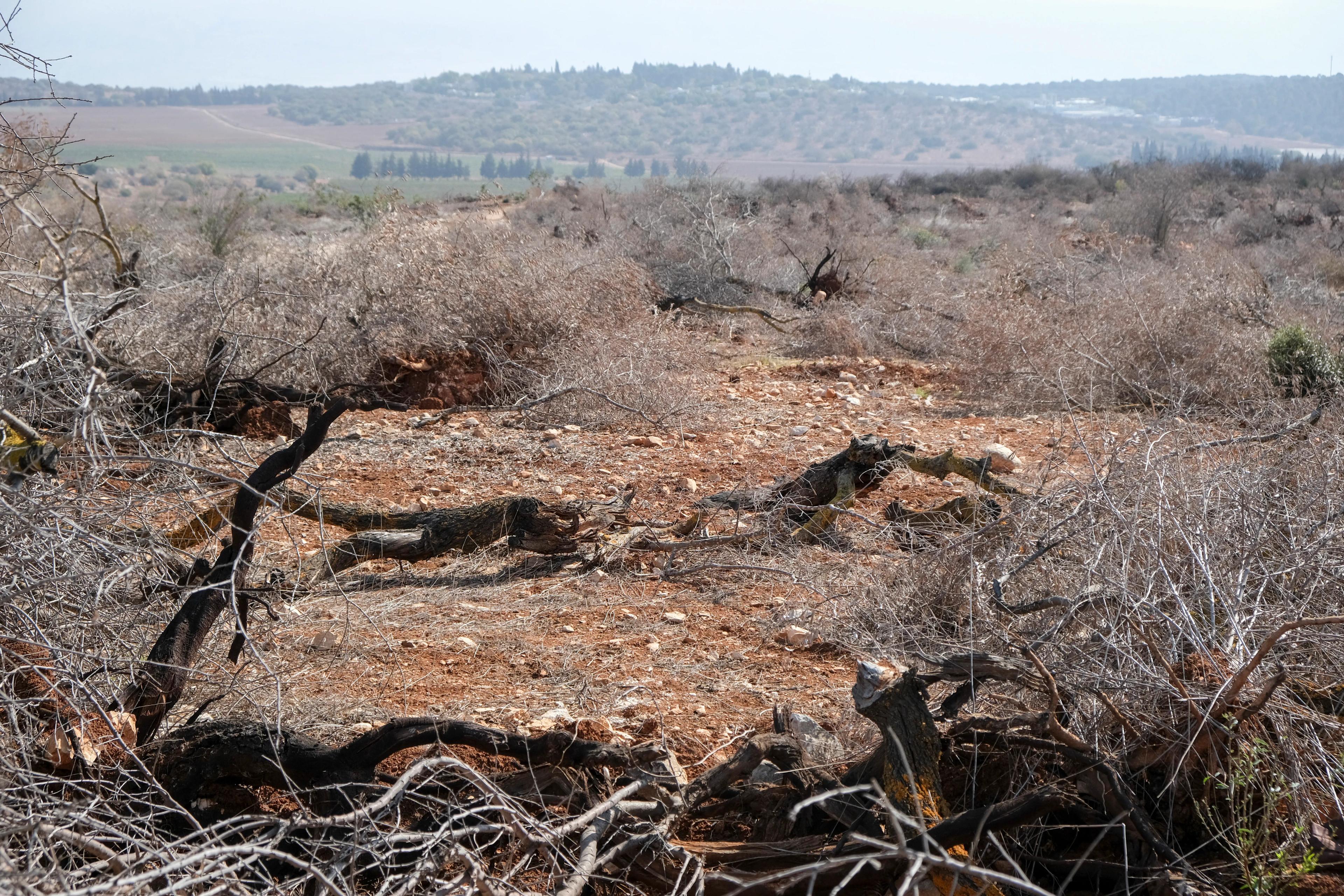
The main focus of the session was the ministry’s Agricultural Partners Platform, which has been upgraded following a new assessment of war-related damage in the agricultural sector.
Officials said the platform now integrates detailed data on agricultural losses with a national database of farmer needs. It is designed to provide a single system for managing information, coordinating projects, and guiding recovery support.
The system brings together UN agencies, donor organizations, research institutions, NGOs, government bodies, and private sector partners. It allows all stakeholders to view verified needs on the ground and align their interventions accordingly.
The platform is based on data-driven management. It helps identify where support is needed most, and connects those needs with available funding and projects. Officials said this reduces duplication of efforts and improves the efficiency of aid delivery.
It also functions as a monitoring tool. Partners can register their projects, track ongoing activities, and update their contributions in real time. This allows for continuous mapping of funding gaps and response coverage.
The ministry said the system strengthens transparency and accountability by relying on verified data and structured coordination mechanisms. It is intended to ensure that assistance reaches affected farmers based on clear and documented priorities.
Officials also said the platform supports long-term planning by linking recovery efforts with broader agricultural development goals. It provides a constantly updated overview of sector needs, ongoing interventions, and available resources.
During the meeting, participants were briefed on how the platform is being used to support recovery planning and improve coordination among partners. They also discussed ways to further strengthen collaboration through shared data systems and unified response frameworks.
The Ministry of Agriculture said the platform is now a central tool in its strategy to modernize agricultural governance, improve response efficiency, and support the recovery of Lebanon’s farming sector after the war.