



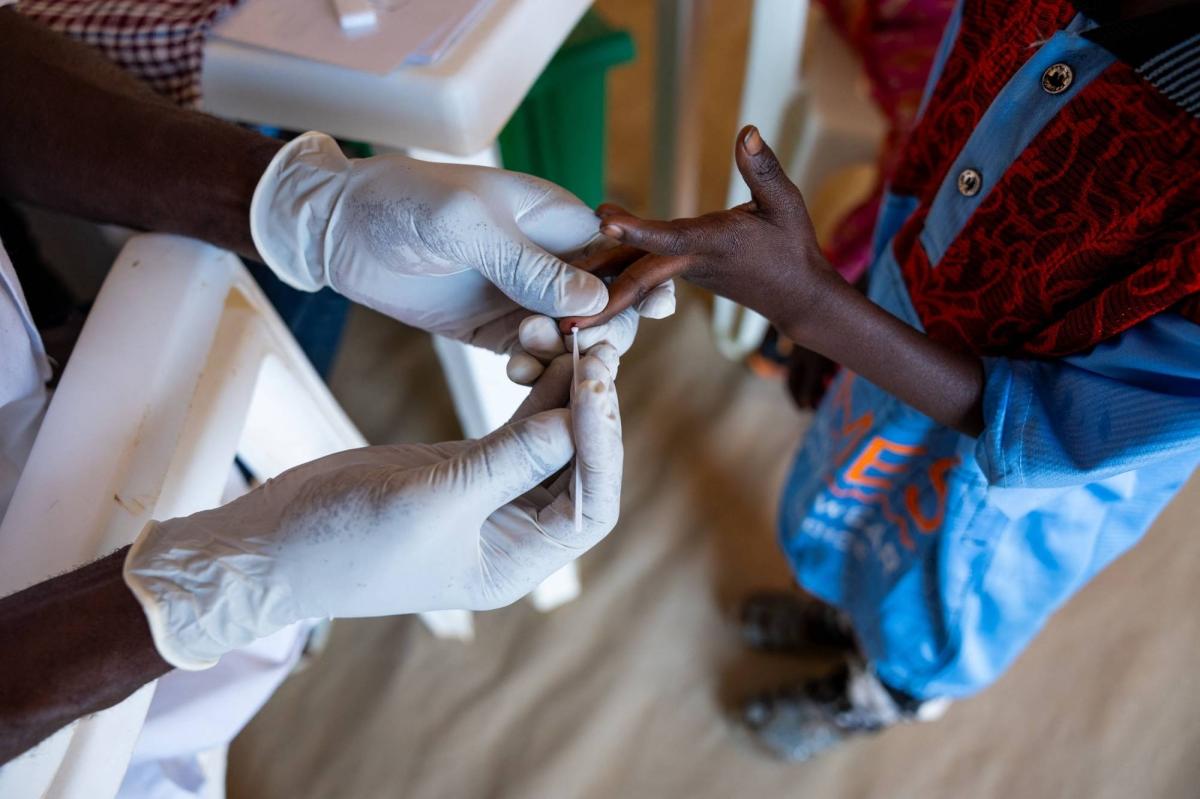
WORLD - Health is expected to suffer the deepest cuts in global development aid next year as official development assistance from major donor countries falls for a third consecutive year, according to a new OECD policy brief.
The OECD said on June 19 that net official development assistance from major donor countries is expected to fall by 6.9% in 2026 to $152 billion, its lowest level since 2014.
The projected drop follows an 8.5% fall in 2024 and a record 23.3% contraction in 2025.
Among all sectors, health is forecast to face the sharpest reductions. The OECD said aid for health and population services could fall by 29% to 46% from 2024 to 2026, pushing health funding below pre-pandemic levels and back to where it stood in 2008.
Health Spending Most Affected
The steepest health cuts are expected in population and reproductive health, where funding is projected to drop by 54.1%, as well as in programmes targeting communicable diseases.
Aid for malaria control could fall by 59.6%, tuberculosis funding by 57.2%, and other infectious disease control by 40.4%, according to the report.
The OECD warned that the cuts are likely to hit hardest in countries that depend heavily on external financing for healthcare and have limited fiscal room to absorb the losses.
Malawi and South Sudan, for example, each finance about 60% of their current health expenditure through external sources, while countries such as Mozambique, Lesotho, and Uganda are also highly exposed.
The report flagged particular concern over countries already dealing with active disease outbreaks.
It pointed to the economic fallout of the Middle East crisis, which is driving up food, fuel, and fertiliser prices and slowing global growth. At the same time, multiple humanitarian and health emergencies continue to strain fragile systems.
Beyond Health
Beyond health, humanitarian aid is projected to fall by 40.3% from 2024 to 2026, while support for government and civil society is expected to decline by 39.8%.
Aid to education is projected to drop by 22.2%, food aid by 44.5%, and energy-related assistance by 22.6%.
The OECD said the aid contraction is being driven by factors, like rising defence and security spending, geopolitical tensions, and pressure in donor countries to align budgets more closely with domestic priorities.
Germany, France, Japan, the United Kingdom, and the United States accounted for 93% of the overall drop in ODA in 2025, with the United States responsible for 70% of that decline.
The organisation urged donor governments to shield the poorest countries from the worst of the cuts and to protect essential health and humanitarian programmes, warning that official aid remains critical for safeguarding poverty reduction and human development gains.