



LEBANON - As fuel prices continue to fluctuate, the cost of transportation has become an increasing concern for households and businesses alike. In Lebanon, where transportation and electricity generation remain heavily dependent on petroleum products, fluctuations in global oil markets are quickly reflected in local fuel and electricity costs.
The US-Israeli war against Iran that began on February 28, 2026, triggered the largest oil market shock in history when Iran effectively closed the Strait of Hormuz, blocking 14 million barrels per day (14% of global supply) and causing Brent crude to surge from $72 to over $112 per barrel (+55–65%).
Simultaneously, the renewed war in Lebanon compounded Lebanon's crisis, as the country importing 100% of its fuel faced gasoline price increases of 80% and diesel increases of 66% from January to April 2026, with annual inflation reaching 17.26%.
The dual conflicts created a $3 billion war-related loss for Lebanon in 2026, with maritime shipping costs rising 80% ($2,500 to $4,500 per container) and war-risk insurance premiums doubling, as the Strait's closure removed 20% of the world's oil from the market and disrupted Qatari gas supplies to Europe, forcing increased diesel consumption and driving global fuel prices to historic highs.
In March 2026, fuel prices increased significantly, while private generator tariffs also rose due to higher diesel costs, placing additional financial pressure on households and businesses alike.
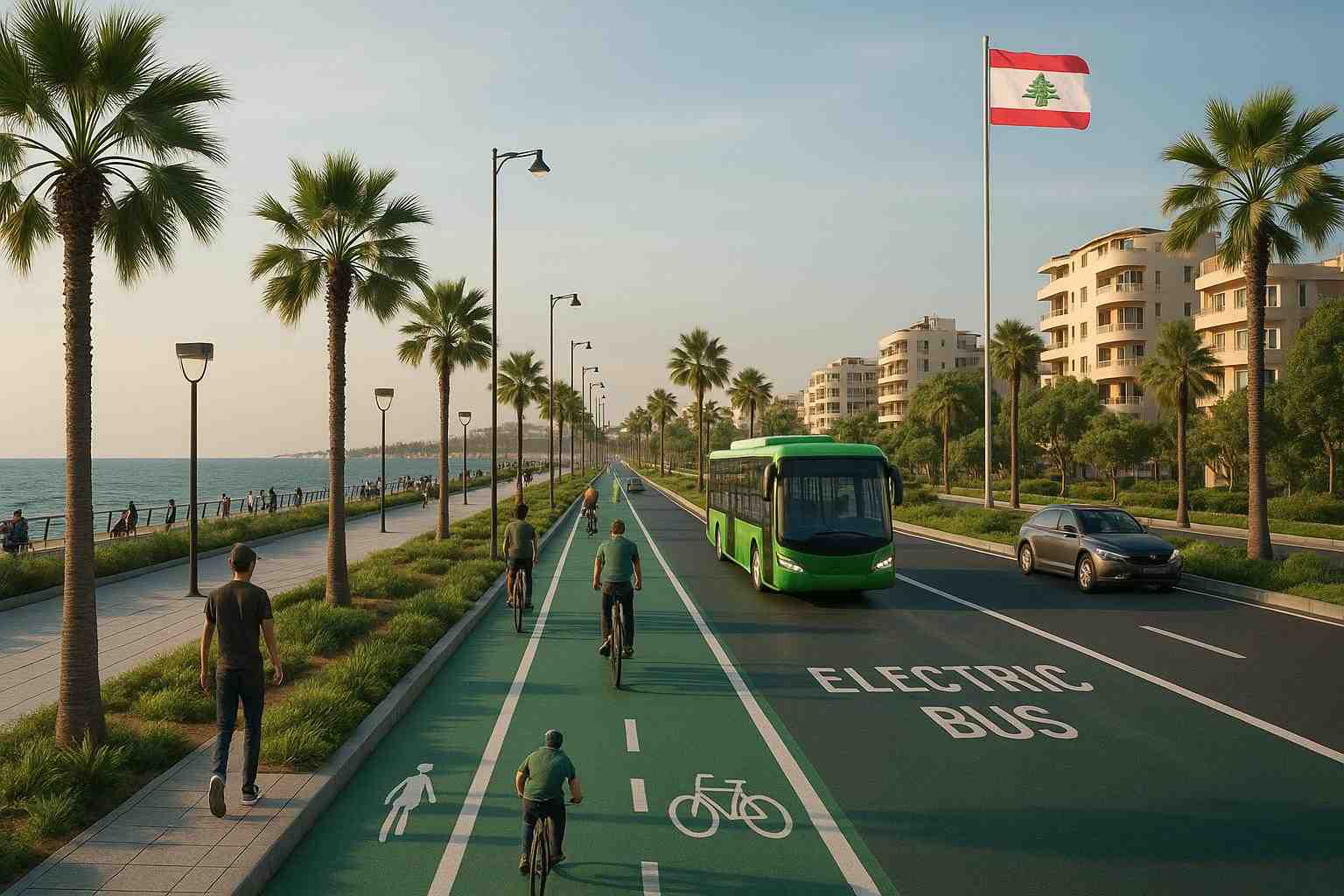
Against this backdrop, discussions around the adoption and efficiency of electric vehicles (EVs) have gained increasing attention, positioning them not only as a cleaner alternative for transportation but also as a potential pathway to reducing rising mobility costs.
Yet two important questions remain: can EVs offer Lebanese consumers a more cost-effective alternative to traditional gasoline-powered vehicles, and do they remain an environmentally sustainable option in a country where electricity production continues to rely heavily on fossil fuels?
The Economic Case for Electric Vehicles
The Lebanese EV sector remains small, accounting for 6.5% of the market despite the demand expanding by 98.2% in the first quarter of 2026.
As the country's electricity crisis persists and fuel prices remain volatile, households and businesses are increasingly exploring alternatives to conventional petrol-powered vehicles, while the commercial and industrial sectors continue to invest in battery energy storage systems.
One of the main drivers behind this growing interest is the potential for lower operating costs. A recent analysis compared the operating costs of a petrol-powered Kia Picanto and an electric BYD Seagull in the Lebanese context.
Based on prevailing fuel and electricity prices, the analysis estimated that a Kia Picanto would cost approximately LBP 675,000–750,000 per 100 km in fuel, while a BYD Seagull would cost around LBP 86,000–240,000 per 100 km when charged through Électricité du Liban (EDL).
Even when charged using private generators, the estimated cost remained lower at approximately LBP 474,000–489,000 per 100 km. According to the analysis, the greatest savings are achieved when EVs are charged using rooftop solar systems, which offer the lowest long-term operating costs after installation.
While these figures should be treated as illustrative estimates rather than definitive benchmarks, they suggest that electric vehicles may offer significant operating cost advantages over conventional vehicles in Lebanon, particularly when supported by affordable and reliable electricity sources.
The Environmental Equation
While the financial case for EVs appears promising, assessing their sustainability requires looking beyond operating costs and examining how the electricity used for charging is generated.
Although EVs produce zero tailpipe emissions during operation, meaning no emissions are produced while driving the vehicle, their overall environmental impact depends largely on the source of electricity used to power them.
According to Switch2zero (20264), a conventional diesel vehicle emits approximately 170 grams of CO₂ per kilometer, whereas an electric vehicle produces no direct emissions while driving.
However, this does not mean EVs are entirely emission-free. Their overall carbon footprint is influenced by the electricity used for charging. In Lebanon, where electricity is supplied through a combination of EDL, private diesel generators, and increasingly renewable energy systems such as rooftop solar panels, the environmental performance of EVs can vary considerably.
The overall carbon footprint of an electric vehicle is influenced by the electricity used to charge it. In Lebanon, where electricity is supplied through a combination of EDL, private diesel generators, and increasingly renewable energy systems such as rooftop solar panels, the environmental performance of EVs can vary considerably.
While charging through renewable energy sources can significantly reduce emissions, reliance on diesel-generated electricity diminishes some of the environmental advantages associated with electric mobility.
Local Innovation and EV Manufacturing
Beyond EV adoption, local manufacturing could also help make electric mobility more accessible in Lebanon.
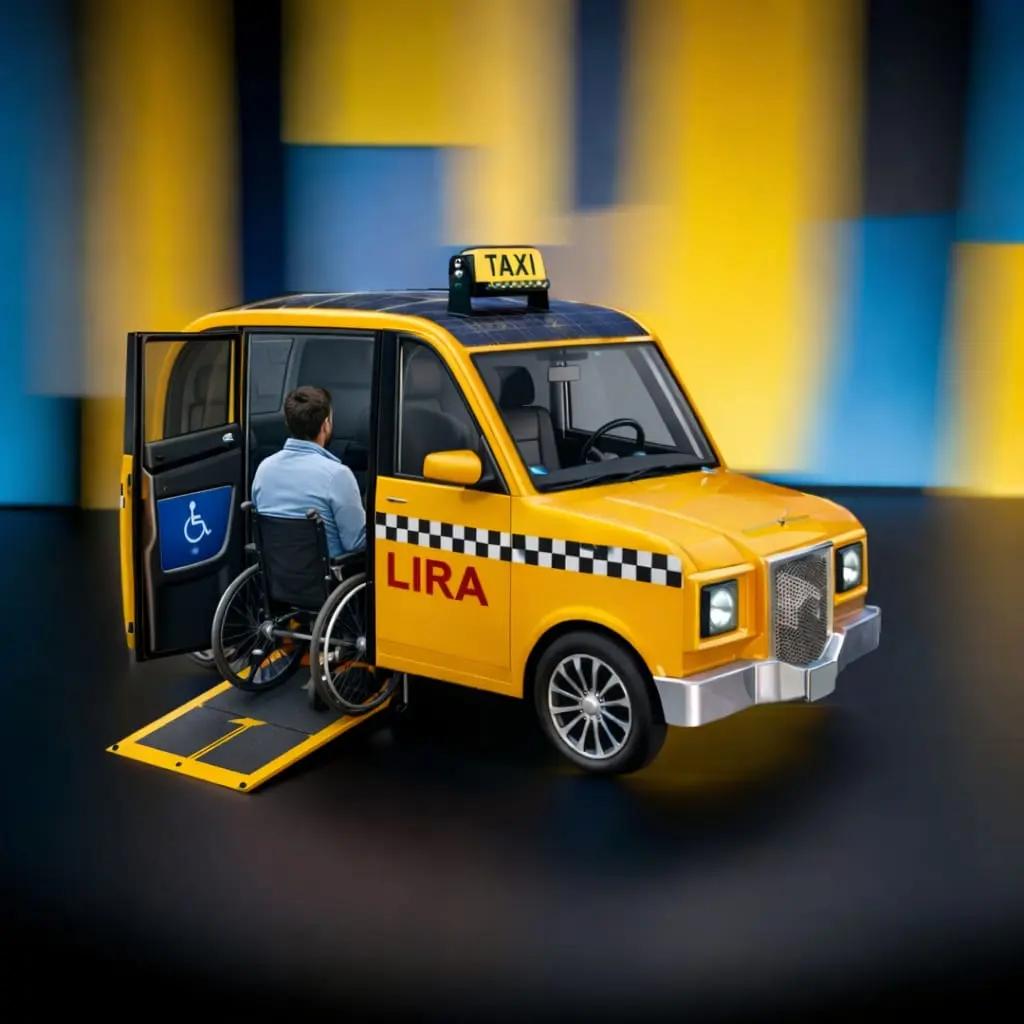
Hisham Al-Hussami, the innovator behind Lira Smart Taxi, Lebanon’s first domestically produced solar-powered smart electric taxi designed to promote sustainable public transportation and social inclusion, told Enmaeya that locally produced EVs could eventually become more affordable than imported models.
He added that this would be especially likely as production volumes increase and local supply chains develop.
However, achieving this will require addressing key challenges, including battery and component costs, access to financing, charging infrastructure, and the reliability of electricity supply.
He noted that Lebanon possesses the engineering talent and industrial capabilities needed to support a domestic EV industry, provided it receives adequate investment and policy support.
The Road Ahead
While EVs are not a complete solution to Lebanon’s transportation and energy challenges, they appear to offer clear economic advantages over conventional vehicles.
Their environmental benefits, however, depend largely on how they are charged. As fuel prices continue to rise, the long-term potential of EVs in Lebanon will be closely linked to improvements in electricity infrastructure and the expansion of renewable energy sources.