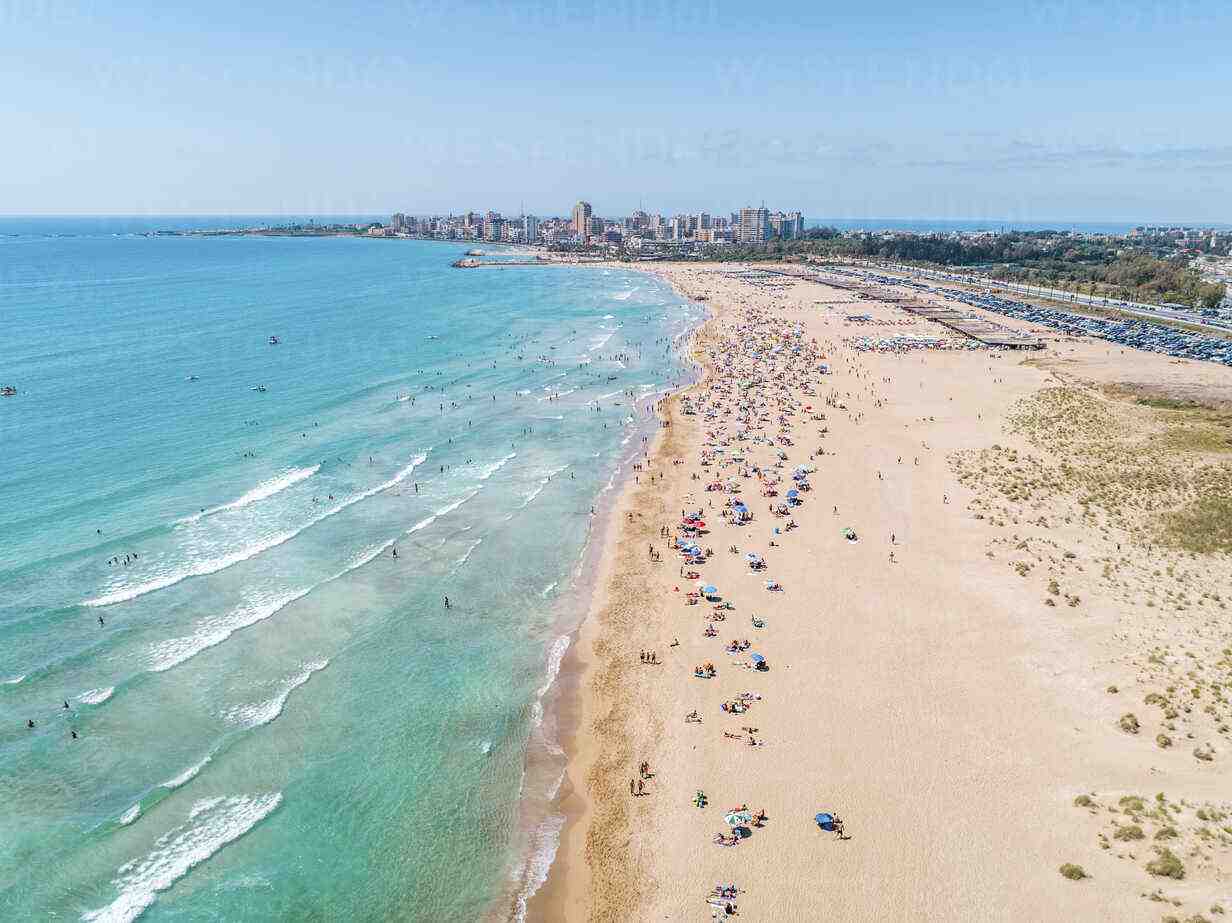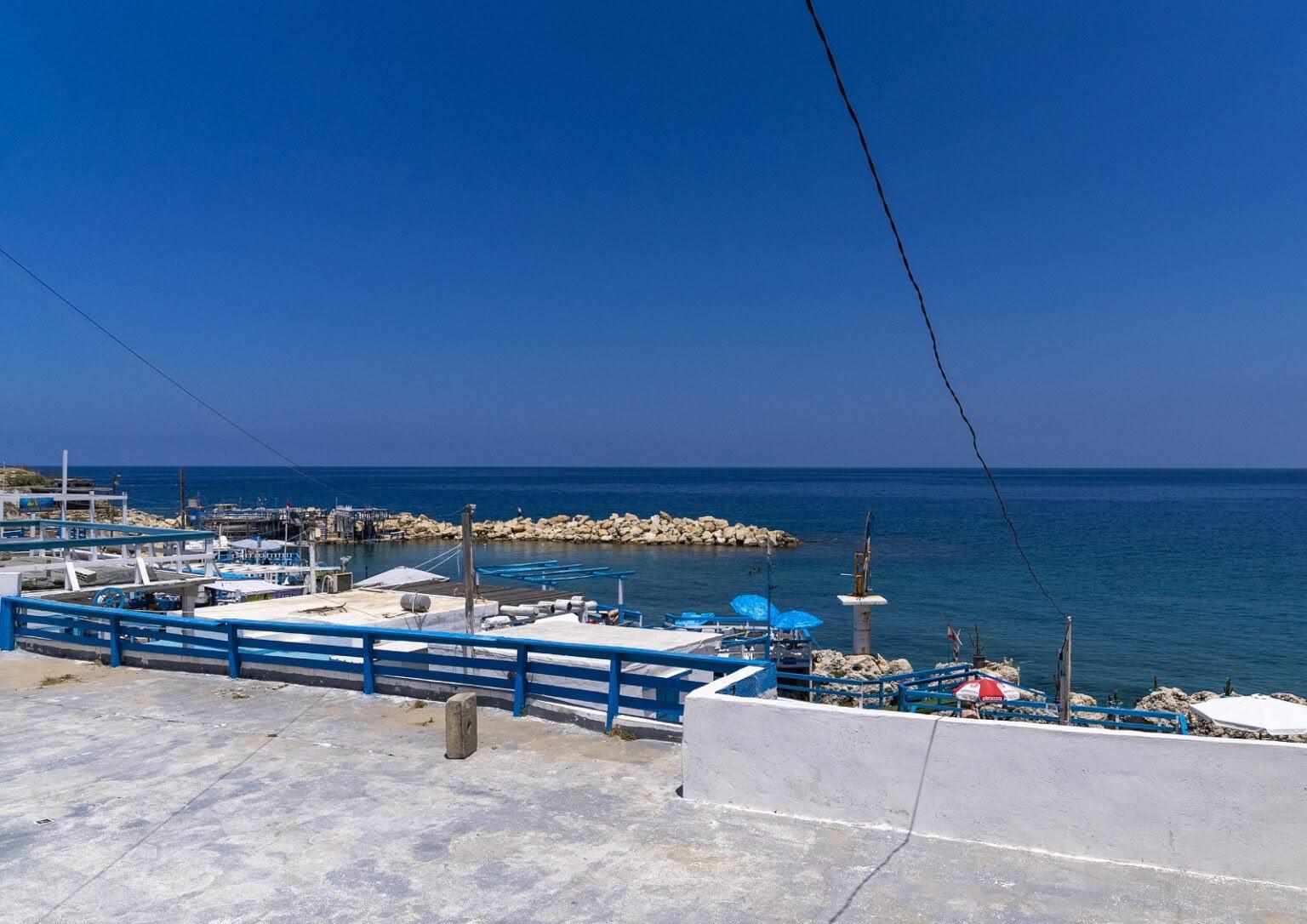
LEBANON – The National Center for Marine Sciences of the National Council for Scientific Research (CNRS-L) released its annual report on the environmental status of the Lebanese coastline for 2026, revealing that 68% of monitored beaches are safe for swimming, while warning of an early appearance of jellyfish this summer.
The report is based on a continuous coastal seawater monitoring program covering 37 fixed stations along the Lebanese coast, in accordance with the methodology of the United Nations Environment Programme (MEDPOL) and World Health Organization (WHO) standards.
Bacteriological test results showed that 25 marine sites were classified as “good” to “very good,” including the beaches of Anfeh, Batroun, Byblos, Amchit, and Tyre, due to low levels of bacterial pollution.
In contrast, five sites were classified as “caution required” to “critical,” while seven sites (19%) were deemed unfit for swimming due to exceeding health standards, including locations in Tripoli, Jounieh, Dbayeh, Antelias, Beirut, and Jiyeh.
The report also noted an improvement in water quality in some areas compared to 2025, including the beaches of Qlayaat, Ain el-Mreisseh, and Ghazieh, while other locations saw a decline in environmental classification, including Jiyeh, Damour, and the restaurant beach in Tyre.
On another note, the report recorded an early appearance of the migratory jellyfish (Rhopilema nomadica) since early June, whereas their usual season typically runs from July to August. This phenomenon is linked to rising sea temperatures, environmental pollution, and overfishing, which reduces the populations of marine species that feed on them.
The center urged caution while swimming, noting that western winds may push jellyfish toward the shore. It also recommended following first aid procedures in case of stings and seeking medical attention if severe allergic symptoms occur.
The National Council for Scientific Research also announced that it has made environmental monitoring results available through an interactive digital platform containing historical data from 2018 to 2026, allowing citizens and municipalities to access sea water quality indicators and make science-based decisions.