




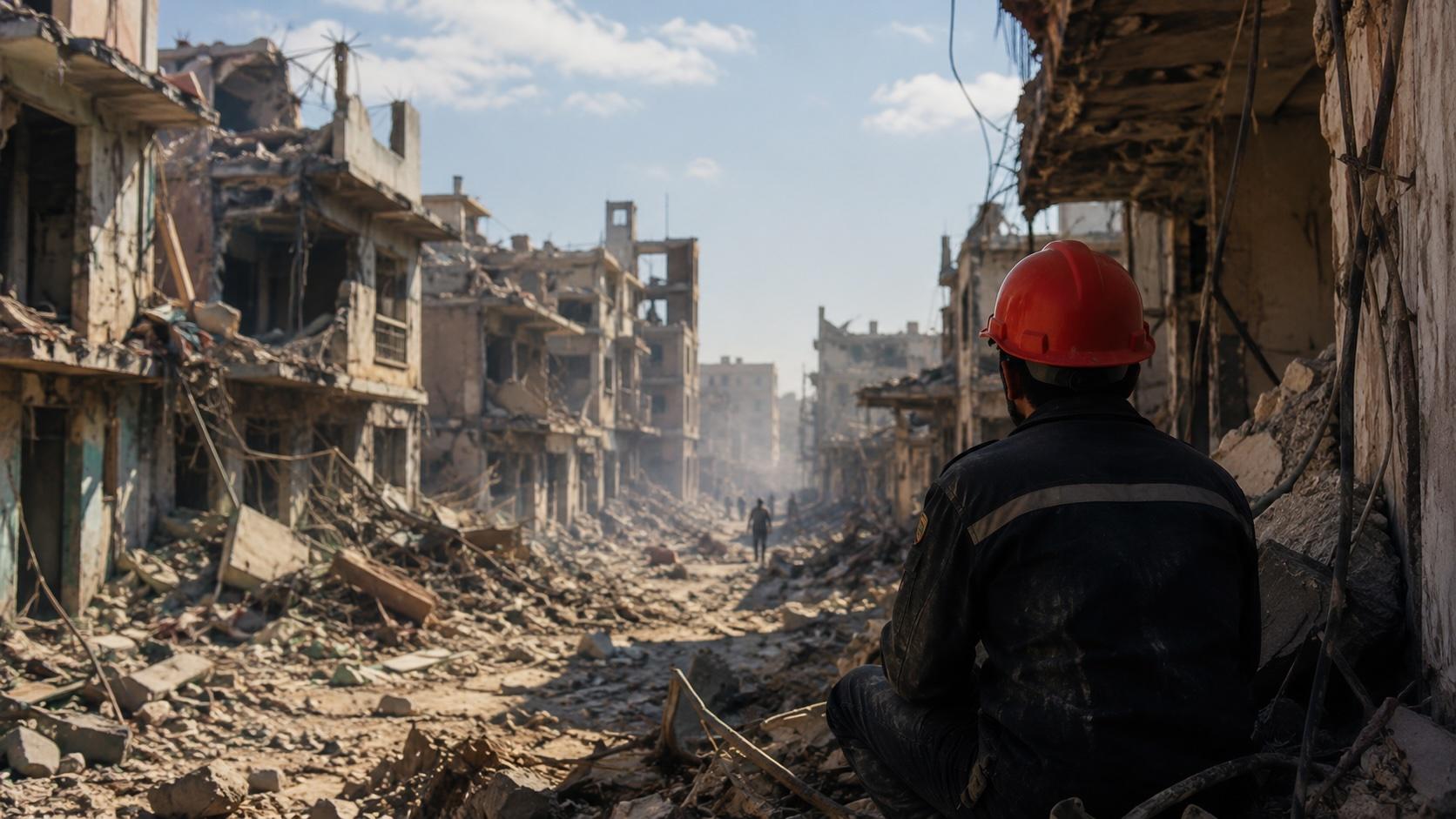
LEBANON - The cost of living in Lebanon is no longer defined by inflation alone. As the prices of everyday goods continue to rise, rents climb, and wages struggle to keep pace, many households are finding it increasingly difficult to afford even basic necessities.
Headline inflation remains high. Lebanon's annual inflation rate stood at 19.04% in May 2026, easing slightly from 20.02% in April 2026, but remaining the highest level since December 2024. Yet inflation alone tells only part of the story.
Cost of living is ultimately a question of what people pay against what they earn. That comes down to three indicators: the prices of everyday goods, the rent people pay for housing, and the wages they're paid to cover both. This is not a single price shock, but three pressures moving at once—and not everyone is exposed to them equally.
Prices: Everyday goods are becoming more expensive
Food, fuel, and transport remain among the main drivers of Lebanon’s rising cost of living. Food prices alone rose by 19.4% year-on-year in March 2026, more than three times Egypt’s food inflation rate of 5.8% during the same month. Transport prices increased by 24.8% over the same period, while some fuel categories rose by more than 30% between January and February 2026 alone, with the price of 95-octane gasoline increasing by more than 31%.
These increases are reflected in the cost of everyday purchases. In many supermarkets, a routine grocery basket now easily exceeds USD 150–250, and often significantly more for larger households.
The World Food Programme estimated Lebanon’s monthly Food Survival Minimum Expenditure Basket (SMEB) at approximately $42 to $43.50 per person, and between $200 and $218 for a standard family of five, a 3 percent increase compared to February. The basket covers only minimum food needs and excludes rent, transport, utilities, healthcare, education, and other essential expenses.
Lebanon’s national minimum wage currently stands at approximately USD 312 per month. This means a minimum-wage household would need to spend roughly two-thirds of its monthly income just to meet its minimum food requirements, leaving only USD 94–112 for all other living expenses.
With three revisions in less than two years, Lebanon’s minimum wage has become one of the most frequently updated payroll benchmarks in the MENA region, reflecting the country’s rapidly changing economic conditions.
Unlike the inflation experienced between 2020 and 2023, the latest price increases are occurring alongside a relatively stable exchange rate, which has remained around LBP 89,500 to the U.S. dollar for more than a year. This suggests inflation is no longer solely a consequence of currency depreciation, but also reflects deeper structural pressures within the economy.
Rent: The biggest household expense is also rising
The renewed hostilities that began on March 2, 2026 have intensified pressure on Lebanon’s housing market. The National Council for Scientific Research recorded around 40,000 housing units destroyed or partially damaged within just 35 days—an average of roughly 1,081 homes per day—describing it as an unprecedented rate of destruction.
The rental market was already under strain before the latest escalation. Beirut ranked 327th out of 332 cities globally for housing affordability, making it one of the world’s least affordable cities relative to local incomes.
Housing is also one of the largest household expenses. According to the World Bank, housing-related costs account for 36% of annual household spending in Beirut and 29% in Mount Lebanon, meaning even modest rent increases can place significant pressure on family budgets.
The recent conflict has further tightened the market. The destruction of housing stock, combined with large-scale displacement, has increased demand for available rental units. In Beirut’s southern suburbs, landlords and displaced tenants have reportedly clashed over lease terms for homes vacated during the conflict, illustrating the growing pressure on an already constrained housing market.
Wages: Incomes are not keeping pace
Lebanon’s cost of living crisis is not only a result of rising prices, but also of wages that have failed to keep pace.
Today, workers doing similar jobs can earn vastly different salaries depending on whether they are paid in U.S. dollars or Lebanese pounds. This gap is sharpest in the public sector, where teachers' unions have demanded a 37-fold nominal increase just to restore the purchasing power their salaries had in 2019.
This dual-currency labour market did not emerge overnight. Dollarization has existed in Lebanon since the civil war (1975–1990), when repeated currency instability encouraged households and businesses to save and transact in U.S. dollars. Although the 1997 exchange-rate peg stabilized the lira for more than two decades, it never fully reversed this behavior. The 2019 financial crisis simply accelerated a trend that had already become deeply embedded in the economy.
Salary data show clear differences between sectors. According to the 2026 Lebanon Salary Report, a national program officer at an international NGO in Beirut typically earned between USD 2,000 and USD 3,500 per month, while a mid-grade civil servant earned roughly USD 600 to USD 900 after allowances and dollar top-ups. Public school teachers typically earned around USD 350 to USD 600, compared with USD 800 to USD 1,800 for experienced teachers at established private schools. These gaps show how a worker’s sector and access to dollar-denominated pay can produce sharply different levels of purchasing power.
Who Bears the Cost?
The crisis does not impact society evenly. An estimated 165,000 migrant workers in Lebanon, around 70 percent of them women, are at heightened risk of exploitation, loss of legal status, and exclusion from aid, according to the 2026 Lebanon Crisis Response Plan.
Female-headed households, particularly among refugee communities, are also disproportionately exposed: earlier crisis-monitoring data found they were far more likely than male-headed households to resort to severe coping measures such as child labor or early marriage.
Nationally, an estimated 23 percent of Lebanon's population, roughly 1.26 million people, were living in crisis-level food insecurity as of 2024. Youth face a parallel pressure: even before the latest escalation, surveys found the large majority of young people in Lebanon wanted to emigrate, citing employment and living conditions as primary drivers.
Small businesses also absorb these pressures. SMEs make up roughly 90 to 95% of all businesses in Lebanon and around 40 percent of GDP, and they are exposed simultaneously to rising input costs, rent renegotiations, and pressure to raise wages that customers can no longer afford to cover through higher prices.
The 2026 war has sharpened this: the World Bank estimates that agriculture, commerce, and tourism, sectors dominated by small and informal businesses, account for 77 percent of the economic losses from the recent conflict, putting low-wage and informal workers most directly at risk.
Policy Directions
The World Bank's Lebanon Economic Monitor and its January 2026 financing package signal the kind of response these pressures require. What the evidence points to is coordinated, multi-sectoral reform, centered on job creation, investment in youth skills, and infrastructure that can support broad-based growth. Alongside this, social protection systems need to be strong enough to hold the households least able to absorb these pressures, rather than functioning as short-term relief between crises.
The World Bank’s $350 million package, in collaboration with the Ministries of AI and Technology and Social Affairs, funds the transformation of Lebanon's AMAN cash-transfer platform into a comprehensive national social registry, aimed at building lasting institutional capacity. The financing targets vulnerable Lebanese households alongside women, youth, and other at-risk groups, aligning with the uneven exposure to this crisis.
The World Bank has also flagged inflation in domestic service sectors like rent and education, even as headline inflation eases, as an area requiring targeted monitoring.
Prices, rent, and wages are shaped by the same underlying structure, and a response that treats them as separate problem, is unlikely to hold. Lebanon has had emergency responses before. What it has not had is a reform program built to outlast the emergency that prompted it.