



LEBANON – The Lebanese Ministry of Environment, in cooperation with the National Council for Scientific Research (CNRS), has announced the results of laboratory and field analyses conducted on samples collected from several southern border villages, confirming the detection of glyphosate and its derivatives in all tested samples.
The ministry said the samples were collected in coordination with the Lebanese Army and in accordance with approved scientific protocols. The findings indicate the use of chemical herbicides through systematic spraying operations, resulting in widespread environmental and agricultural damage along the southern border area.
Environment Minister Tamara El Zein described the use of herbicides as a “documented environmental crime,” stressing that the analyses were conducted according to internationally recognized scientific standards and protocols. She added that the findings were included in the complaint file submitted by the Lebanese state.
Glyphosate Detected in All Samples
The study analyzed 36 samples collected from three border villages: Aita al-Shaab, Ras al-Naqoura, and Al-Dhahira, including 12 vegetation samples and 24 soil samples.
The results showed:
• The presence of glyphosate and its derivatives in all analyzed samples.
• Glyphosate concentrations in soil ranging between 0.8 and 22.8 micrograms per gram.
• The highest contamination levels recorded in Aita al-Shaab.
• The detection of glyphosate in both surface and deeper soil layers, suggesting possible vertical movement of contamination through the soil and a potential threat to groundwater resources.
According to the ministry, the recorded concentrations significantly exceed the levels typically found in naturally cultivated agricultural lands.
More Than 2,100 Hectares Affected
The Ministry of Environment said that direct and indirect spraying operations caused damage to vegetation, wild plants, agricultural lands, and natural forests.
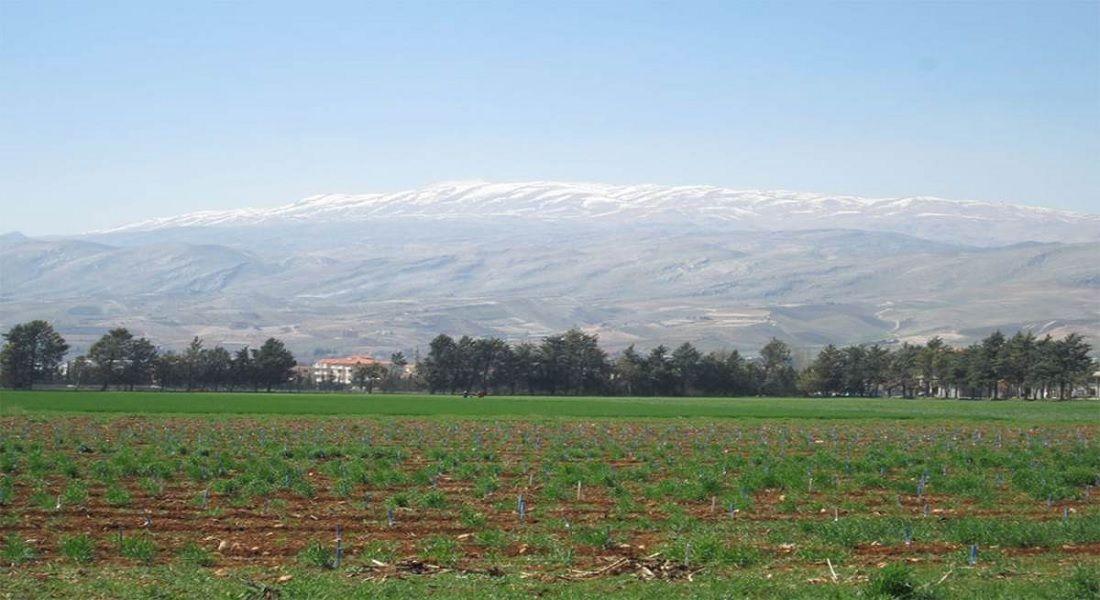
The total affected area along the southern border reached approximately 2,122 hectares across 10 southern villages, including:
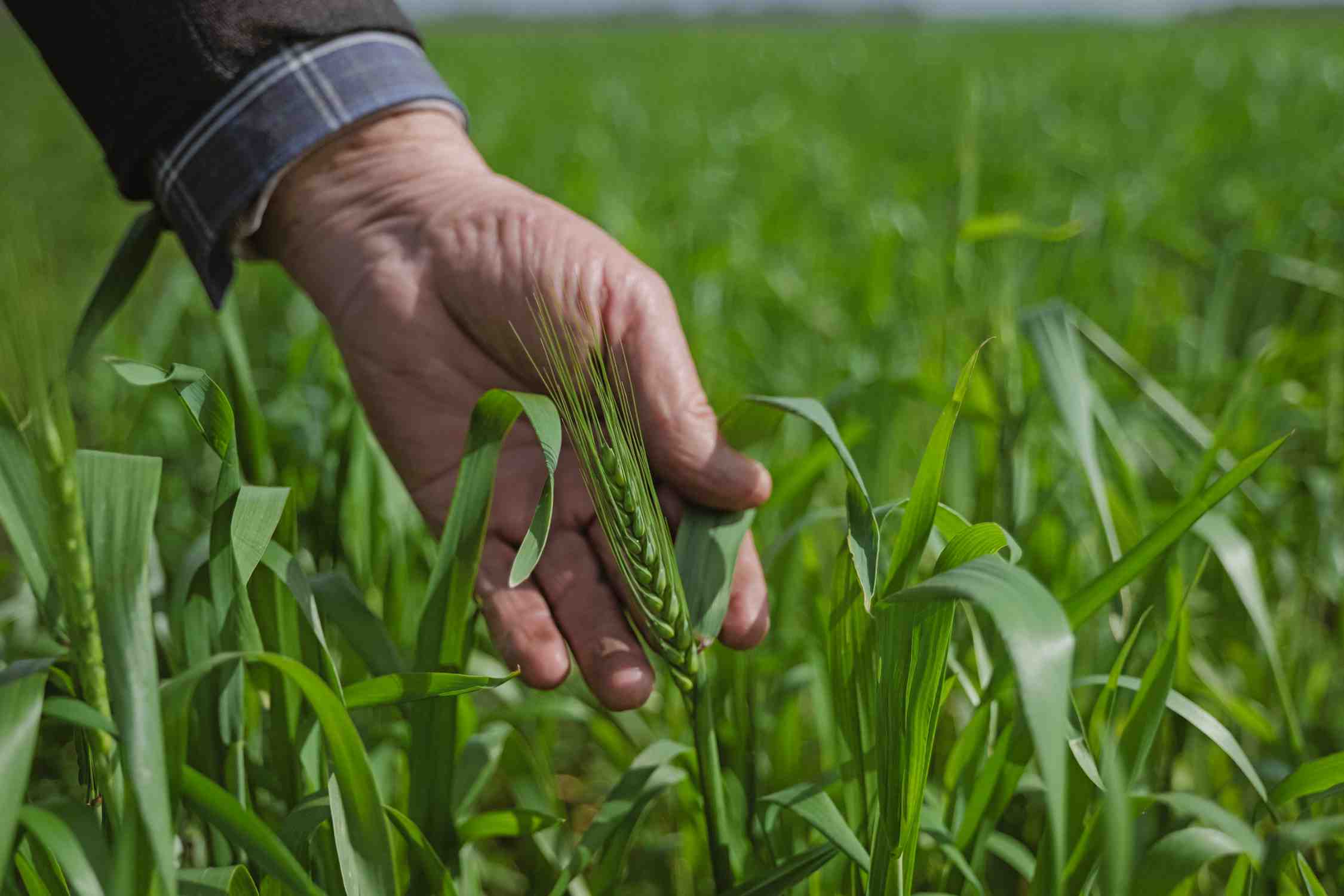
• 1,163 hectares of field crops
• 881 hectares of olive groves
• 41 hectares of citrus orchards
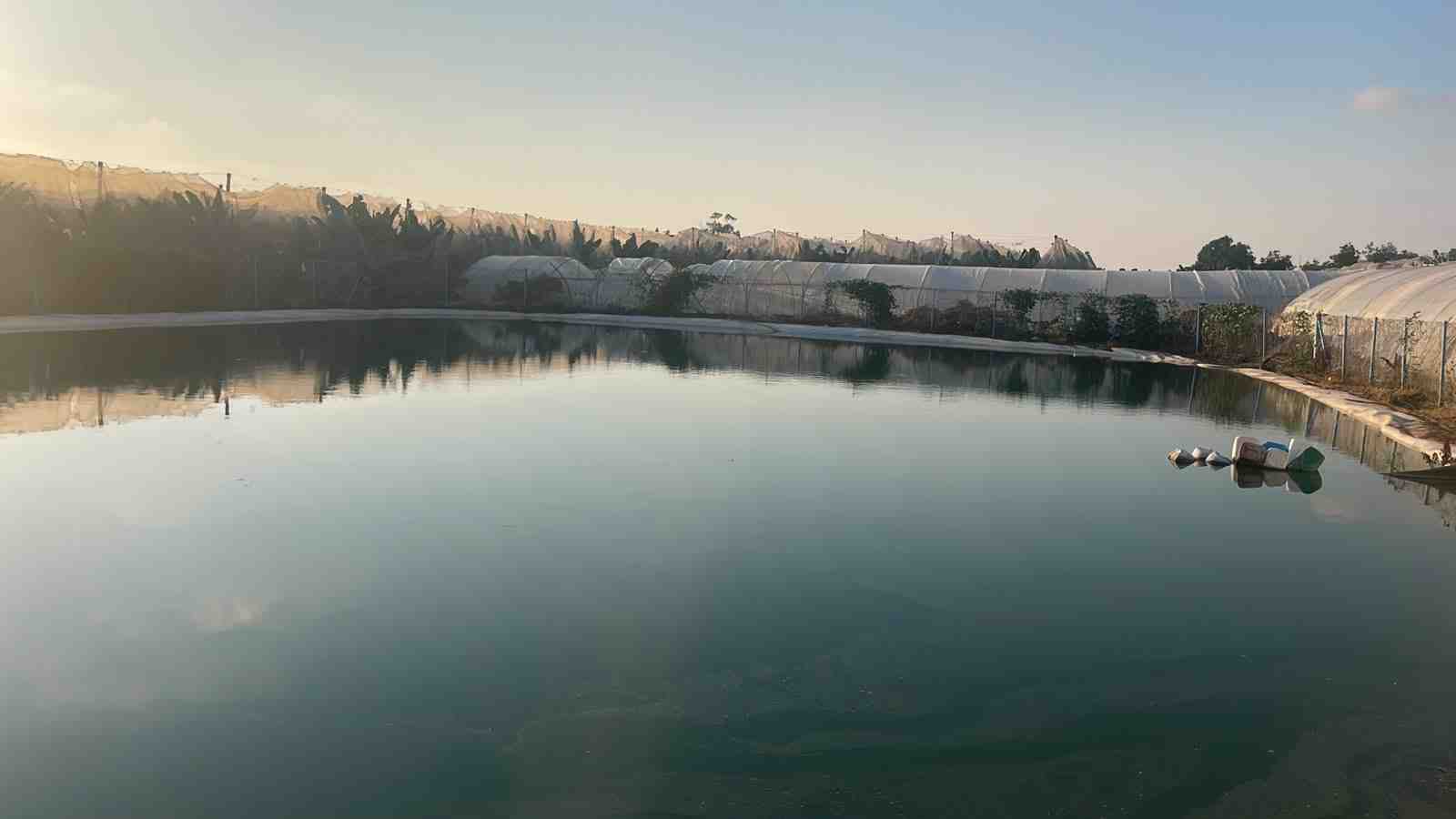
• 25 hectares of banana plantations
• 6 hectares of protected agricultural areas (greenhouses)
The environmental damage comes at a time when southern Lebanon’s agricultural sector is already facing severe challenges due to ongoing security conditions and repeated attacks, which have led to a near-complete halt of agricultural activities in many affected villages for more than a year.