



MIDDLE EAST – Over the past decade, the world has witnessed a sharp resurgence in armed conflict and geopolitical instability. The Institute for Economics & Peace recorded 2024 as the year with the highest number of state-based armed conflicts since World War II — more than 61 active conflicts across 36 countries — and the fourth-deadliest year since the Cold War ended, with an estimated 239,000 conflict-related deaths.
Nowhere is this more visible than in the Middle East, today's epicentre of geopolitical tension. Since 2022, overlapping conflicts, the genocide in Gaza, escalating hostilities between the United States and Iran, and continued instability in Lebanon, Syria and Yemen have kept the Geopolitical Risk (GPR) Index, a widely used measure of wars, military tensions and terrorism, in the news at record highs.
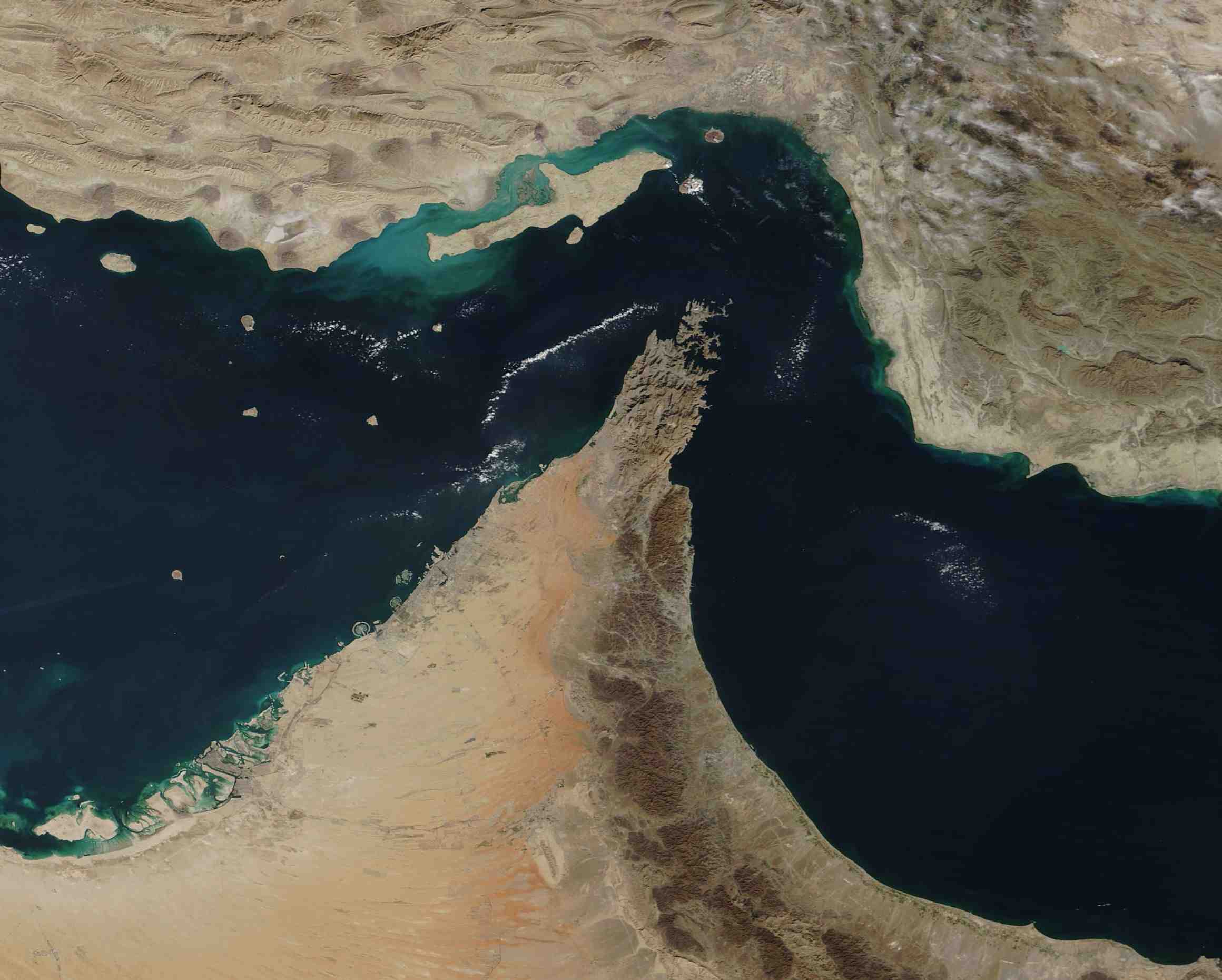
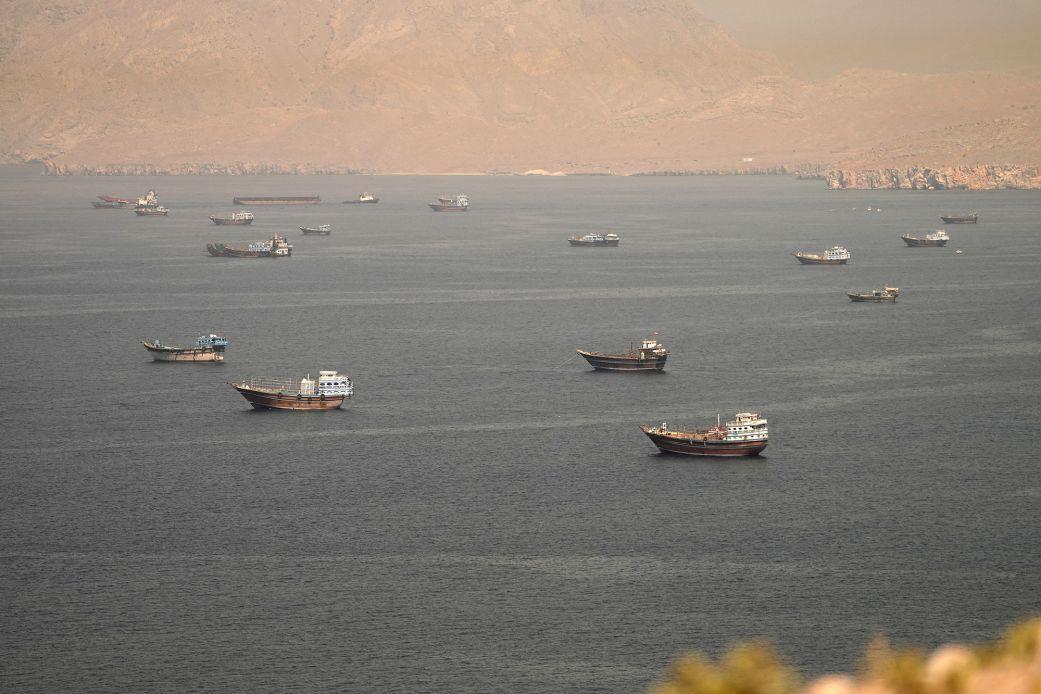
The consequences extend far beyond the region. The Strait of Hormuz, through which approximately 20% of global oil and liquefied natural gas passes, has once again become a flashpoint.
Even the threat of disruption has pushed up oil prices, raised shipping and insurance costs, and added to inflationary pressure worldwide, a reminder that a single chokepoint can move markets everywhere, especially in energy-import-dependent economies like Lebanon's.
From Cost Minimization to Risk Diversification
For roughly 40 years, international trade was organized around a single logic: minimize cost. Firms chose the cheapest production locations and the most efficient shipping routes, on the assumption that trade would keep flowing freely regardless of where it crossed.
That assumption no longer holds. COVID-19, Russia's invasion of Ukraine, the Red Sea attacks, and the recurring tension around the Strait of Hormuz and Taiwan have pushed governments and firms toward a new priority: reducing the risk of disruption, even where that costs more.
Geography, where a pipeline, port, or rail line physically sits relative to a conflict zone, is once again a strategic variable, not just a logistics detail.
Routing Around the Chokepoints
This shift is most visible in energy. Gulf producers are investing in pipelines that bypass the Strait of Hormuz entirely: Saudi Arabia's East–West Pipeline links the Persian Gulf directly to the Red Sea, and the UAE's Abu Dhabi Crude Oil Pipeline runs to Fujairah, on the Gulf of Oman side of the strait. Europe, meanwhile, has diversified its own gas supply since the loss of Russian pipeline flows, building out LNG import capacity in parallel.
The same logic extends to overland trade corridors. China continues to expand connectivity through the Belt and Road Initiative; the Trans-Caspian "Middle Corridor" has gained renewed importance as a route that avoids Russia; and the proposed India–Middle East–Europe Economic Corridor (IMEC), though still early-stage, reflects the same trend for routes that combine rail, ports and digital infrastructure across politically aligned partners.
Beyond infrastructure, the region is also shaping the policy conversation around it. Saudi Arabia, together with the Saudi Ports Authority (Mawani) and UN Trade and Development (UNCTAD), will host the second UN Global Supply Chain Forum in Riyadh from 29 November to 1 December 2026. Its stated focus is coordinating policy and investment to make supply chains more resilient to geopolitical fragmentation, climate disruption and infrastructure gaps.
Vulnerable Economies Face the Heaviest Burden
The recent disruptions in the Strait of Hormuz have affected economies unevenly, with developing and vulnerable countries bearing the greatest burden.
According to the UN Trade and Development Monitor, a sustained rise in oil prices linked to disruptions in the Strait of Hormuz could add more than $20 billion annually to the oil import bill of the world’s most vulnerable economies, particularly least developed countries (LDCs). Nearly one billion people could be affected.
For some of these economies, the additional import costs could exceed 7% of GDP. Higher fuel prices would fuel inflation, place further strain on already constrained public finances, and ultimately increase the cost of living, with significant consequences for people’s livelihoods.
Shorter Geopolitical Distance, Not Less Trade
None of this means that globalization is ending. A recent McKinsey Global Institute report finds global goods trade continued to expand in 2025, growing roughly 6.5%, outpacing global growth.
But its composition is changing; countries increasingly trade with partners that are politically closer and share similar strategic interests, even where that means "geopolitical distance" now shapes the route more than physical distance does.
Who you trade with is becoming as important as how cheaply you can trade.
What This Means for Lebanon
Lebanon is small, imports most of what it needs, and sits right in the middle of the region's tensions. That means this shift brings both risk and opportunity.
On the opportunity side, Lebanon sits on a potential energy and transit corridor. The Arab Gas Pipeline is the clearest example: as countries look for routes that avoid risk, a corridor like this could matter more, not less.
This pipeline wouldn’t be a first for Lebanon. Decades before, the Kirkuk–Tripoli pipeline, built by the Iraq Petroleum Company in the 1930s, carried Iraqi crude from the Kirkuk field to the Mediterranean via Tripoli.
It ceased operations amid regional conflict, and Baghdad has recently signaled interest in reviving it. A parallel branch to Baniyas, in Syria, is further along: Syria and Iraq signed memoranda in July 2026 to rehabilitate the Kirkuk–Baniyas line. If either route reopens, Lebanon would have a renewed opportunity.
But Lebanon is also part of the risk other countries are diversifying away from. Political instability, fragile institutions, and exposure to volatile regional dynamics are among the factors that can push firms to route around a country, rather than through it.
In this new era, geography has returned as a variable that matters again. For Lebanon, whether that translates into renewed relevance or continued exclusion will likely depend on factors beyond just geography.