

LEBANON – Lebanon has launched a comprehensive package of national studies and a Geographic Information System (GIS) platform aimed at strengthening waste management and improving planning across the country.
Funded by the European Union and implemented by the United Nations Development Programme (UNDP) in partnership with the Ministry of Environment, the initiative provides decision-makers with data and planning tools to identify gaps in waste services, prioritize investments, monitor infrastructure, and develop more sustainable solutions.
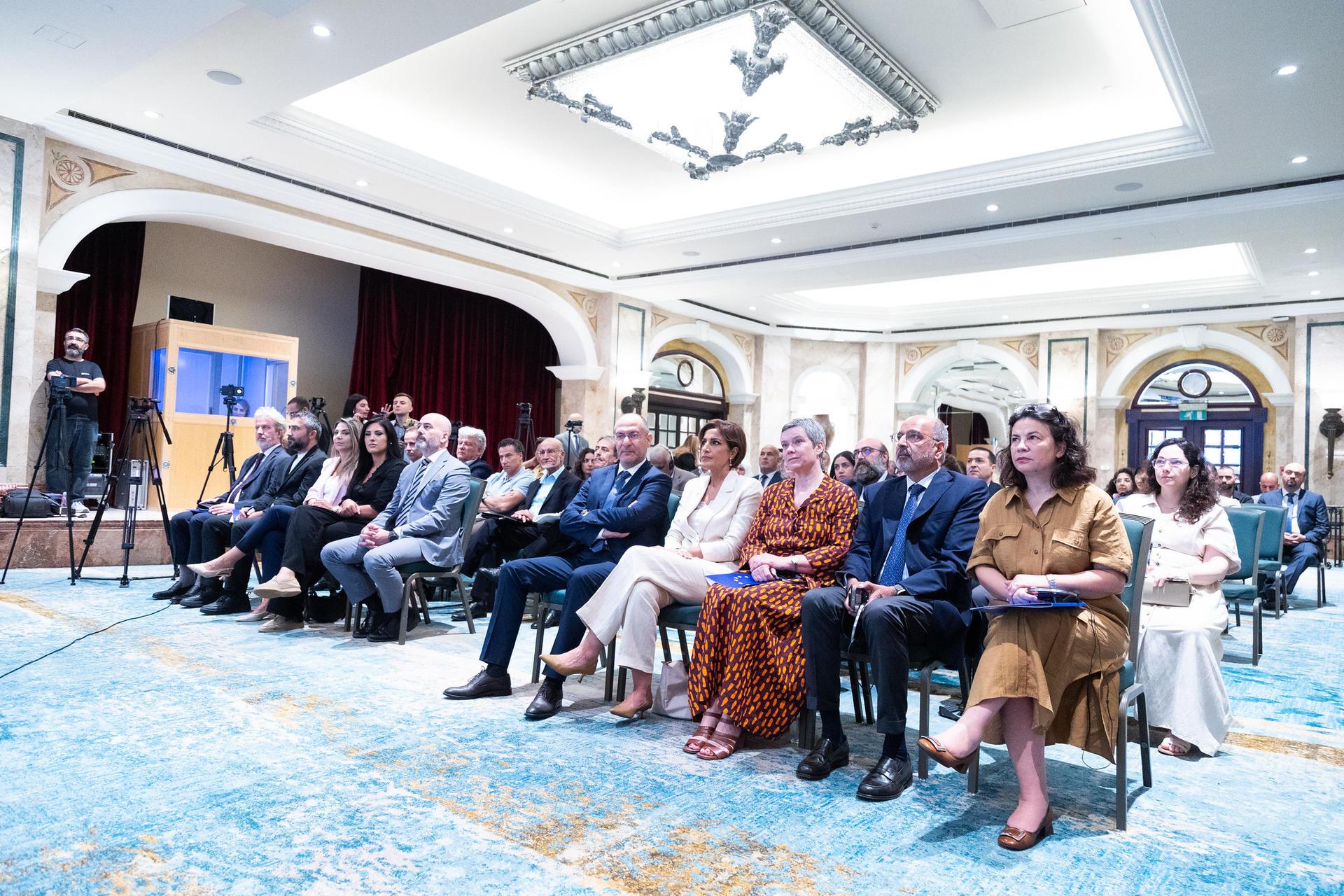
The launch was held under the patronage of Minister of Environment Tamara El Zein and brought together representatives from the European Union, UNDP, government institutions, municipalities, the private sector, academia, and development partners.
The package covers several key waste streams, including healthcare waste, electronic waste, green waste, slaughterhouse waste, cardboard and paper waste, and waste-derived fuels. Together, the studies and GIS platform aim to provide a comprehensive overview of Lebanon's waste management sector and support evidence-based policymaking at both national and local levels.
Environment Minister Tamara El Zein said the new tools would help improve governance and institutional coordination while enabling authorities, including municipalities and the National Solid Waste Management Authority, to better prioritize investments and respond to current and future waste management challenges.
The Ministry of Industry also highlighted the economic potential of the sector. Adel Gerges Al-Shabab, Director General of the Ministry of Industry, said diverting waste from landfills toward sorting, composting, and recycling could create new value chains, generate revenue, attract investment, create jobs, and strengthen Lebanon's industrial sector.
European Union Ambassador to Lebanon Sandra De Waele stressed that the value of the new studies and tools would depend on their effective use to guide policies, prioritize investments, and support the implementation of waste management reforms.
Meanwhile, UNDP Resident Representative in Lebanon Blerta Aliko emphasized that reliable data is essential for sustainable development, noting that the initiative could help accelerate the country's transition toward a more sustainable and circular approach to waste management.
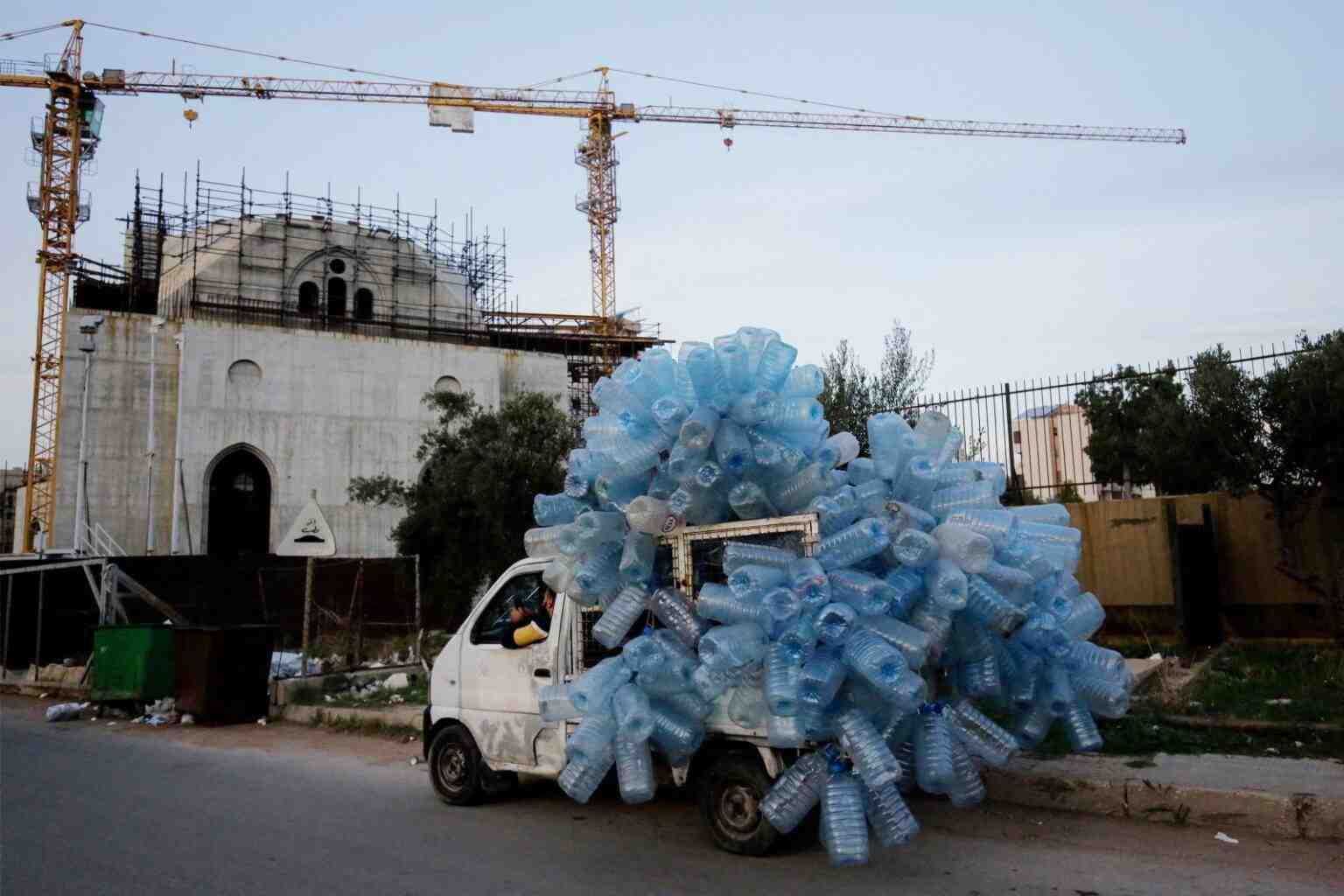
Lebanon's waste sector has faced growing pressure as a result of successive crises, highlighting the need for stronger planning, coordination, and targeted investments.
The new initiative is expected to strengthen cooperation among key stakeholders, including the Ministries of Environment, Public Health, and Industry, municipalities, waste operators, and the newly established Solid Waste Management Authority, supporting a more integrated approach to waste management across Lebanon.