




LEBANON - As Lebanon prepares for reconstruction, demand for stone, sand and cement is growing, bringing the long-running debate over quarrying and its environmental impact back into focus.
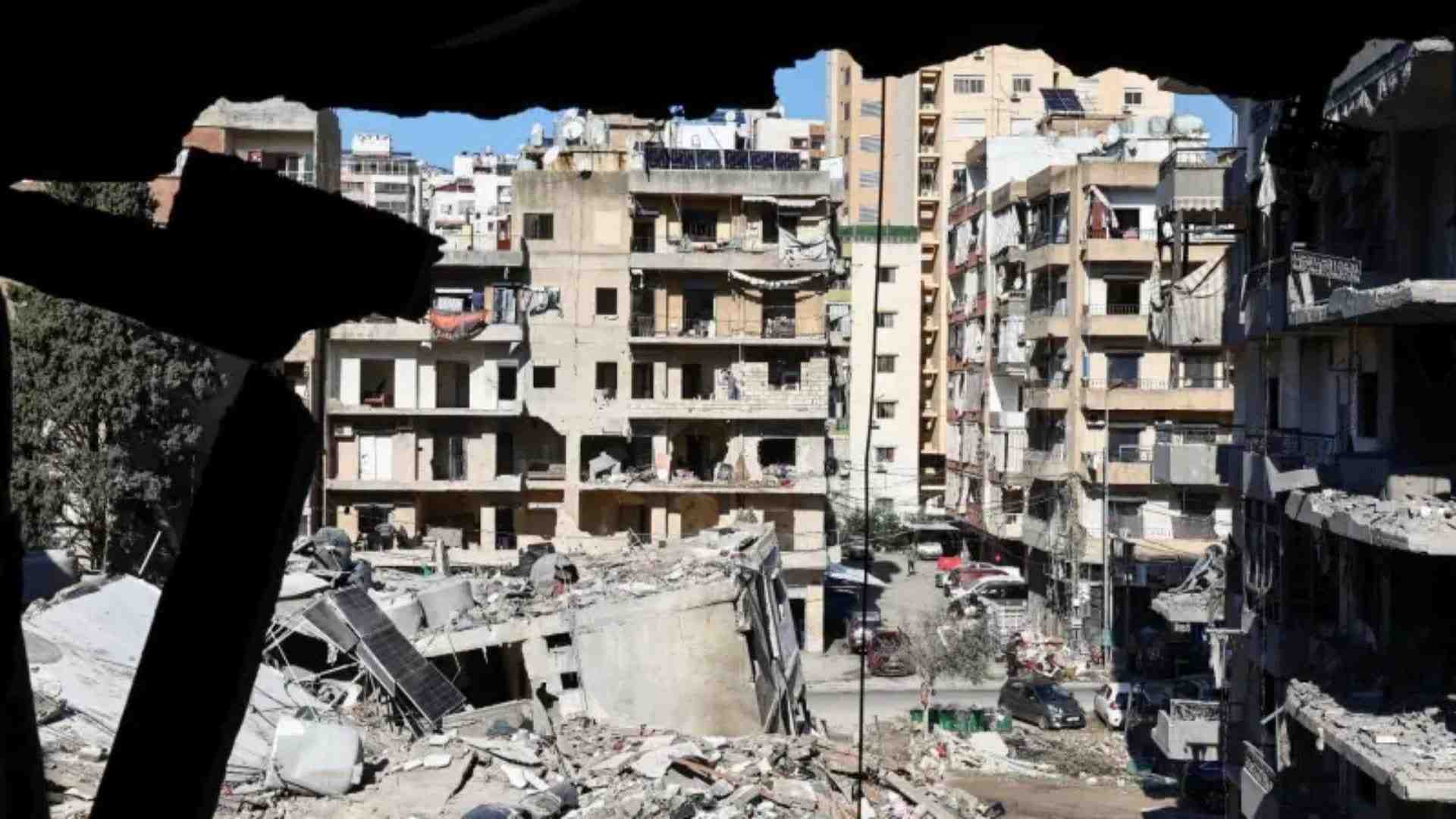
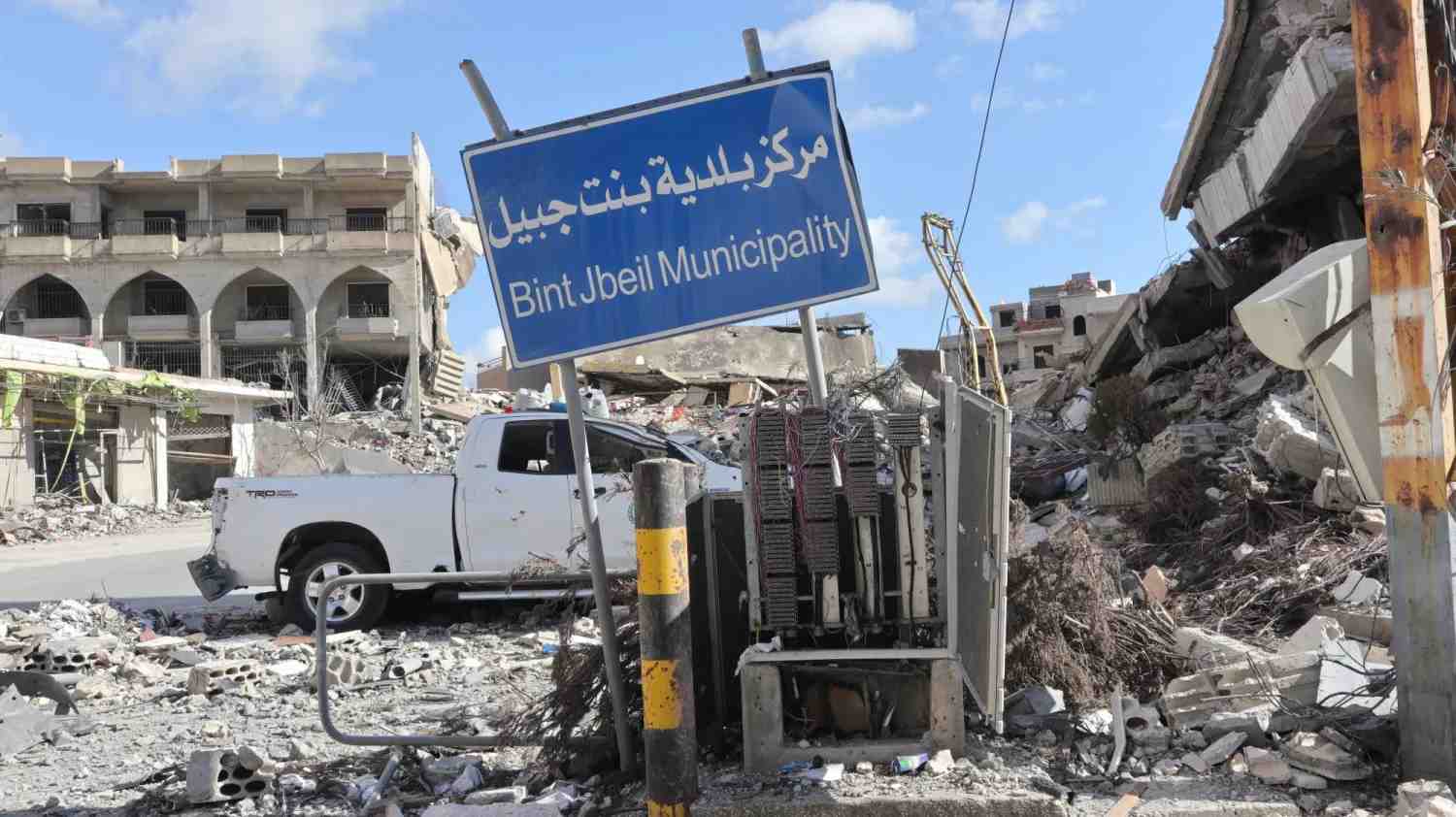
Lebanon is entering another reconstruction phase while the full scale of destruction is still being assessed. A June 2026 UNDP–CNRS building damage assessment identified approximately 3.1 million cubic metres of debris in South Lebanon alone, based on damage visible up to April 29, 2026.
The assessment did not include roads, bridges, water systems, electricity infrastructure, or damage caused after that date, meaning the eventual reconstruction demand will be considerably broader.
What is already clear is that rebuilding damaged homes, villages, and infrastructure will require large quantities of cement, stone, sand, and aggregates. This brings an old issue back into focus: where will these materials come from, and how much additional pressure could reconstruction place on Lebanon’s quarries?
How Quarrying Expanded
Lebanon’s quarry footprint grew rapidly in the period following the Civil War. A satellite-based study by researchers at the National Council for Scientific Research found that identified quarries increased from 784 sites covering 2,897 hectares in 1989 to 1,278 sites covering 5,267 hectares in 2005. A significant share of extraction occurred on productive soils.
Lebanon adopted Decree 8803 in 2002 to regulate quarries and crushers, create the National Council for Quarries and introduce licensing and rehabilitation requirements. Yet later assessments describe continued problems with uneven enforcement, temporary permissions, and sites left without restoration.
A 2023 Ministry of Environment–UNDP assessment examined extraction between 2007 and 2018. It recorded 15.15 million square metres of exploited land and 196.87 million cubic metres of extracted material. It calculated $2.39 billion in regulatory and fiscal dues, environmental compensation, and rehabilitation obligations.
Why Quarrying Returned to the Agenda in 2026
The debate intensified in March 2026, when Cimenterie Nationale announced that it was suspending cement production, saying it could no longer operate without access to its quarries. The company linked local cement production to Lebanon’s future recovery and reconstruction needs.
In April, the Cabinet adopted decisions allowing cement companies to operate quarries under one-year permissions that could be renewed for up to ten years. A revised decision introduced additional environmental conditions following objections from municipalities and environmental groups. Two MPs, Legal Agenda and organisations from Koura later challenged the decisions before the State Council.
The issue remained active in July. The Ministry of Industry capped the factory-gate price of black cement at $96 per tonne and allowed licensed cement imports. Ministers also told Parliament that quarry licences would be reviewed annually and monitored through public authorities, local representatives and independent experts. Local groups in Koura nevertheless questioned whether these controls were being applied on the ground.
The debate is therefore not only about whether Lebanon needs cement. It is also about how reconstruction demand is calculated, which sites are suitable for extraction and whether environmental conditions can be monitored and enforced, and how reconstruction needs can be balanced with the responsible management of Lebanon’s natural resources.
Land, Water and Health
The environmental impact extends beyond the excavated pit. The World Bank’s 2025 environmental assessment identified quarrying on 1,907 parcels, directly affecting around 27 square kilometres and significantly affecting at least another 62 square kilometres of grassland, forest and agricultural land. It valued quarry-related environmental damage at approximately $189 million.
Removing vegetation and topsoil can increase erosion and runoff, fragment habitats and reduce agricultural productivity. Lebanon’s limestone geology adds another concern: poorly managed extraction and non-rehabilitation can reduce aquifer recharge, disrupt groundwater flows and increase the infiltration of contaminants.
Blasting, crushing and truck traffic also produce dust and noise. A peer-reviewed study of quarry-adjacent Palestinian communities found more respiratory symptoms and poorer lung-function indicators among exposed residents. The UNDP assessment noted that annual PM2.5 averages by region were unavailable and therefore used a national assumption in its calculations.
Can Reconstruction Reduce New Extraction?
Lebanon has begun developing another option. In 2026, the Lebanese Standards Institution approved standard NL 841-1:2026, allowing recycled aggregates from construction and demolition waste to be used in road construction and backfilling. Recycled debris cannot replace every construction material, but appropriate sorting, testing and quality control could reduce demand for newly extracted aggregates in suitable applications.
Countries facing similar reconstruction pressures are already exploring ways to reuse debris. In neighbouring Syria, UNDP reported in July 2026 that more than 15,000 cubic metres of rubble had been recycled into over 123,000 construction items, including blocks, tiles and curbstones. These materials were used to reconnect 10 kilometres of roads while also supporting local employment.
Such initiatives do not eliminate the need for quarrying. However, they show that reconstruction can begin by assessing, safely sorting and reusing existing rubble before turning to additional extraction.
This approach aligns with the Build Back Better framework, which views recovery as an opportunity to reduce future risks rather than recreate earlier vulnerabilities. In practice, this would mean combining recycled materials with site-specific environmental assessments, transparent monitoring and rehabilitation plans financed before quarrying begins.