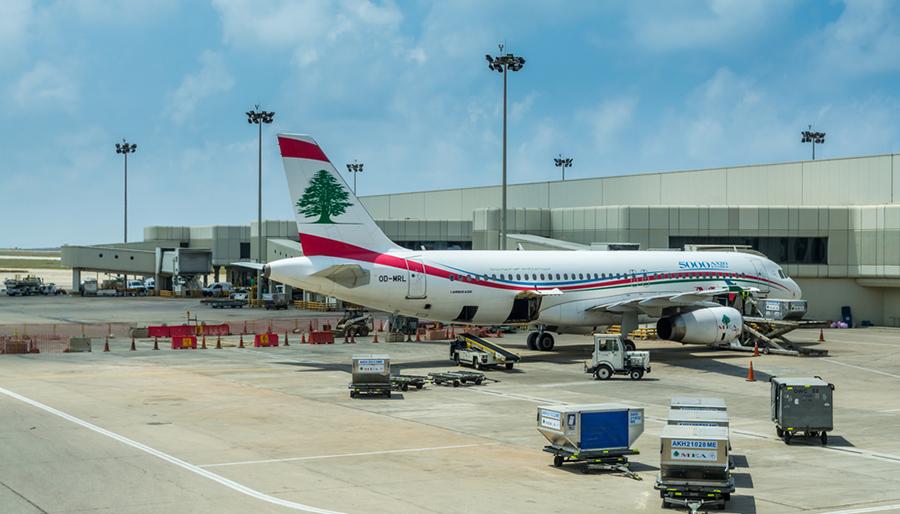
LEBANON - Lebanon’s tourism sector is facing a weaker summer season, with passenger traffic at Beirut’s Rafic Hariri International Airport declining by 9% in July 2026 compared with the same month last year, according to the head of the Syndicate of Travel and Tourism Agencies, Jean Abboud.
In a statement released on August 6, Abboud said airport traffic figures showed a more limited decline in July compared with June, when passenger numbers dropped by between 30% and 35% compared with June 2025. He noted that part of the June decline was recovered during July, offering some improvement as the peak tourism season approached.
Abboud expressed hope that August, traditionally the busiest month for Lebanon’s tourism sector, would see stronger activity and bring passenger numbers, flights, and aircraft arrivals and departures closer to the levels recorded in August 2025.
“The summer tourism season usually begins at the end of May, continues through June and July, and reaches its peak in August,” Abboud said. However, he estimated that overall tourism activity so far this season remains around 33% lower than during the same period in 2025.
The decline has been largely linked to a drop in the number of Lebanese expatriates visiting the country, who represent the majority of arrivals, according to Abboud. Many Lebanese living abroad, particularly those in distant countries, have been unable to travel due to the high cost of airline tickets.
Abboud also highlighted challenges facing foreign tourism, saying Lebanon had not fully benefited from the decision to lift the travel ban on Emirati citizens visiting the country. He attributed this partly to economic conditions affecting Gulf countries, which have limited travel spending.
While Lebanon continues to receive visitors from countries including Iraq, Egypt, and Jordan, Abboud said tourist arrivals from these markets remain below previous years’ levels.
The tourism sector’s challenges extend beyond declining passenger numbers, with Abboud warning of weaker tourism spending. He explained that even among expatriates who managed to visit Lebanon, many are facing reduced purchasing power, affecting overall consumption during their stay.
Despite concerns at the beginning of the summer season, Abboud said actual results were better than initial expectations in May and June, when uncertainty weighed heavily on tourism prospects.
He expressed optimism that activity could improve in August and that Lebanon may gradually recover the tourism levels recorded in 2025, as the sector continues to rely heavily on diaspora visitors and regional travelers.