




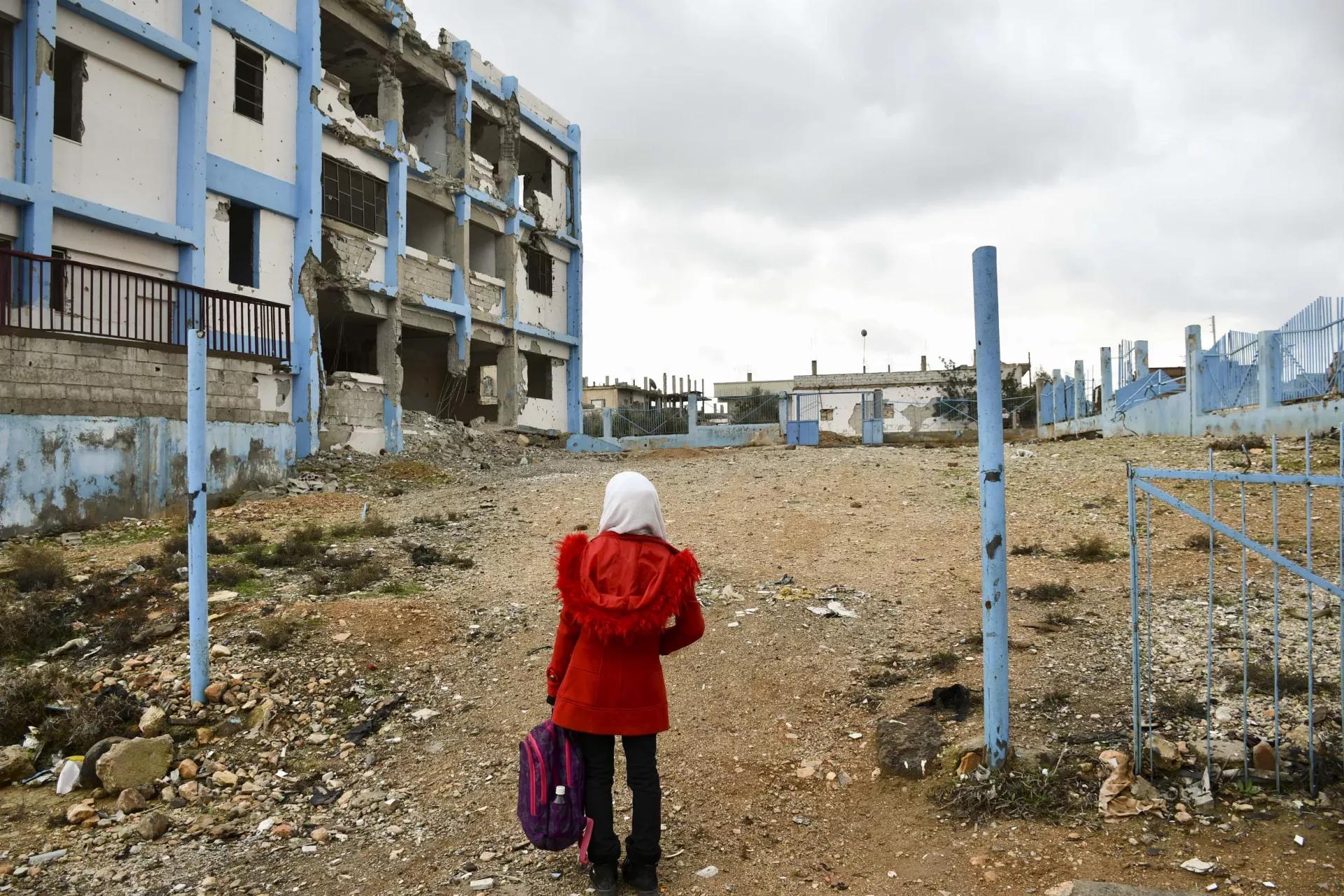
WORLD — More than one in six children globally now live in areas affected by conflict, exposing them to grave violations as the world experiences the highest number of armed conflicts since World War II, according to UNICEF.
The UN children’s agency warned that children are among those paying the highest price for wars they did not start. They are more likely than adults to be killed or maimed by explosive weapons, while many lose family members and access to essential protection and care.
Children in conflict zones also face abduction, recruitment by armed groups and sexual violence. Attacks on schools, hospitals and other critical infrastructure further threaten their safety and limit access to essential services and life-saving assistance.
UNICEF highlighted the situation of children affected by conflicts in Haiti, Myanmar, the State of Palestine, Sudan and Ukraine, among other areas, warning that the international community cannot allow an entire generation to become “collateral damage” to ongoing wars.
The agency called on governments, armed groups and international institutions to take immediate action to protect children and uphold international law.
All parties to armed conflicts must end attacks against children and civilian infrastructure, stop the recruitment and abduction of children and prevent sexual violence. They must also ensure safe access to humanitarian aid and essential services, while protecting humanitarian workers delivering assistance.
UNICEF further urged governments with influence over warring parties to use diplomatic pressure to prevent violations against children and ensure that any support provided to parties to conflicts complies with international legal obligations.
The agency also called on the UN Security Council, regional organizations and other international peace and security institutions to strengthen collective efforts to prioritize the safety and well-being of children in armed conflicts.
UNICEF stressed the need for greater investment in child-protection programmes, monitoring and reporting mechanisms, and efforts to prevent and end violations against children.
“Children cannot wait,” the agency said, urging governments, international organizations and communities to act immediately to protect children from the consequences of war and prevent attacks on them from becoming a new global normal.