



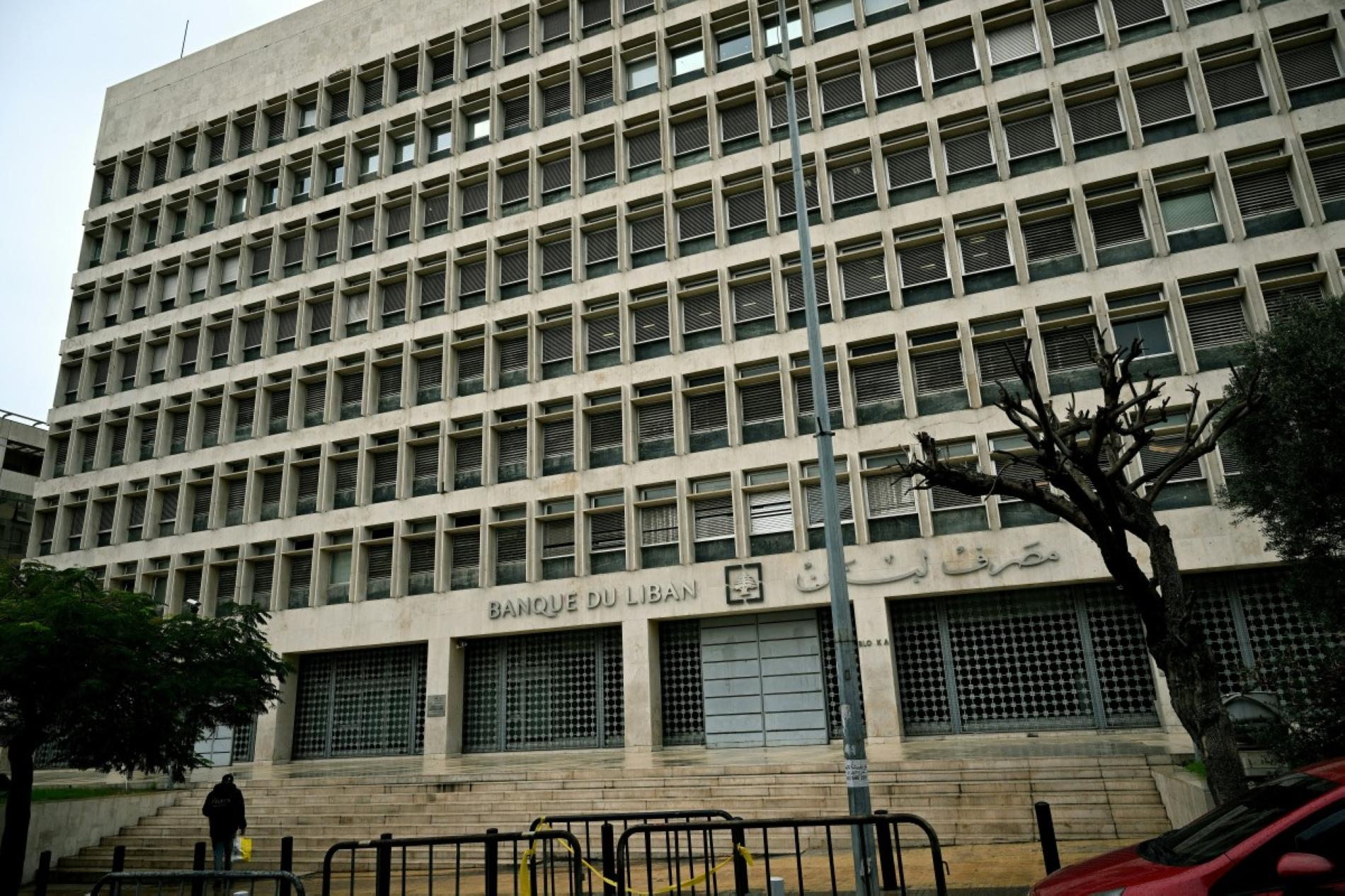
LEBANON - Lebanon has taken another step toward reforming its banking sector after Parliament approved amendments to the bank resolution law.
The International Monetary Fund welcomed the changes as a “major step,” but important work remains to restructure banks, address depositors’ losses and restore lending to the private sector.
A New Framework for Troubled Banks
Lebanon’s banking sector has been in crisis since 2019. Banks restricted access to deposits, while lending to businesses and households fell sharply.
The amended law creates a clearer process for dealing with banks that are no longer financially viable. It gives the Higher Banking Commission a stronger role in deciding whether a bank should be restructured or liquidated.
MP Alain Aoun, a member of Parliament’s Finance and Budget Committee, told Reuters that the amendments addressed 99% of the IMF’s requests.
Progress on IMF Reforms
Banking-sector reform is one of the key issues in Lebanon’s discussions with the IMF.
On August 20, the IMF welcomed Parliament’s approval of the amendments and described them as a “major step.” IMF representative in Lebanon Federico Lima said that putting the new framework into practice will be critical.
The IMF has been calling for Lebanon to establish a stronger and more transparent system for dealing with failing banks.
Depositors Still Face Uncertainty
The new law does not mean that depositors will immediately get their money back.
Lebanon’s financial crisis has left the banking system with huge losses. The government estimated the losses at around $70 billion in 2022, although the figure is believed to have increased since then.
The IMF is still discussing Lebanon’s Financial Stabilization and Depositor Recovery law. This legislation is expected to set out how the country will deal with the financial losses and how depositors can gradually recover their funds.
The Private Sector is Also Affected
The banking crisis has made it difficult for businesses to access loans and finance new investments.
This has affected companies’ ability to expand, create jobs and increase production.
The World Bank has said that restructuring the banking sector is necessary to restore confidence and support Lebanon’s economic recovery.
A stronger banking system could eventually allow banks to resume lending to viable businesses and households.
A Fragile Economic Recovery
The reforms come as Lebanon’s economy faces new pressure from conflict.
The World Bank expects the economy to contract by 6.4% in 2026, after growing by an estimated 4.2% in 2025. The conflict has affected infrastructure, businesses, tourism and domestic demand.
This makes access to financing even more important for businesses and reconstruction.
Implementation is the Next Step
Parliament’s approval does not mean the reform process is finished.
The law still requires presidential approval and could face legal challenges, according to Reuters.
The government must also put the new bank-resolution system into practice and continue work on the depositor-recovery law.
A Step, Not a Solution
The amended law is an important step, but it does not solve Lebanon’s banking crisis on its own.
It creates a framework for dealing with troubled banks, but deposit recovery, financial losses and the return of bank lending still need to be addressed.
The next challenge will be turning the new law into action and rebuilding a banking sector that can support depositors, businesses and Lebanon’s wider economic recovery.