WORLD - On September 3, the World Meteorological Organization announced that El Niño is firmly established and strengthening, with a nearly 100% likelihood of continuing through February 2027. WMO says it could develop into a very strong, potentially exceptional, event.
UN Secretary-General António Guterres put it more vividly: “El Niño is being supersized before our eyes.”
So, What Is El Niño?
El Niño began thousands of kilometres from Lebanon, in the tropical Pacific Ocean. Normally, trade winds push warm surface water westward toward Asia while colder water rises near South America. During El Niño, those winds weaken, and warm water shifts eastward.
The National Oceanic and Atmospheric Administration (NOAA) explains that El Niño events generally occur every two to seven years and typically last nine to 12 months.
This movement of warm water can reorganize atmospheric circulation, changing rainfall and temperature patterns far beyond the Pacific.
El Niño is therefore not climate change.
The problem is the climate conditions under which this El Niño is occurring.
What Happened to the 1.5°C Limit?
On September 3, just one day before WMO's El Niño warning, UNEP released its new Limiting Overshoot report.
Its conclusion is stark: exceeding 1.5°C of long-term global warming is now widely assessed as unavoidable, likely within the next few years. Even the report's most optimistic scenario sees temperatures peak at around 1.8°C before potentially declining again.
That does not mean the Paris Agreement threshold was permanently breached in 2024. Climate scientists assess long-term warming over decades, rather than using one exceptionally hot year. WMO's assessment still placed long-term warming below 1.5°C.
But the gap is closing.
UNEP Executive Director Inger Andersen summarized the stakes simply: “There are no good outcomes if we remain above 1.5°C.”
The concern is not that 1.5°C is a magical cliff where everything suddenly changes. It is that every additional fraction of warming increases risk, from extreme heat and water shortages to ecosystem loss and potentially irreversible climate tipping points.
The Warnings are No Longer Abstract
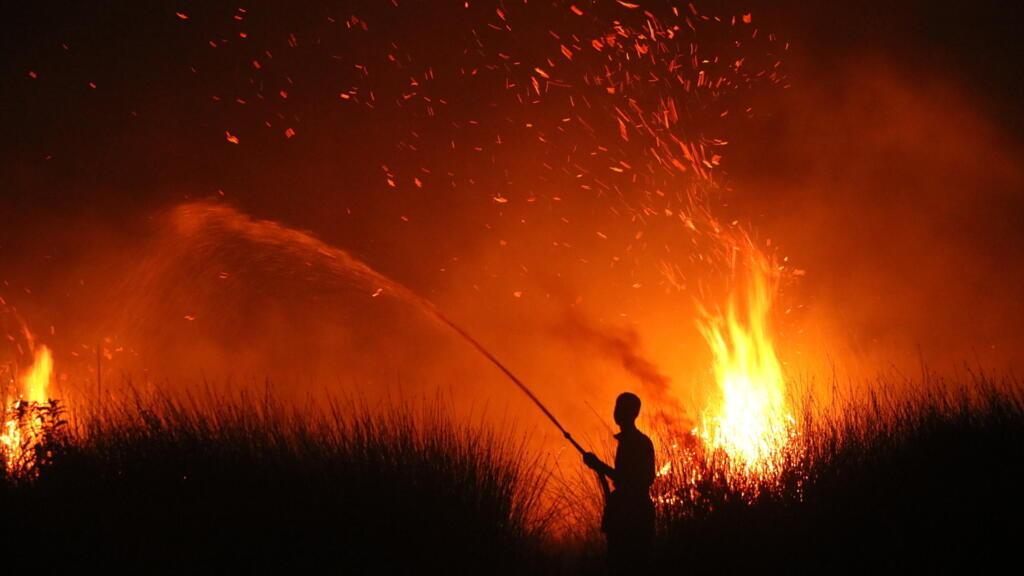
Western Europe experienced its hottest June on record in 2026. Heat continued into July, contributing to devastating wildfires in France and the Iberian Peninsula; Barcelona's Fabra Observatory reached 40.5°C, its highest temperature in more than a century of observations.
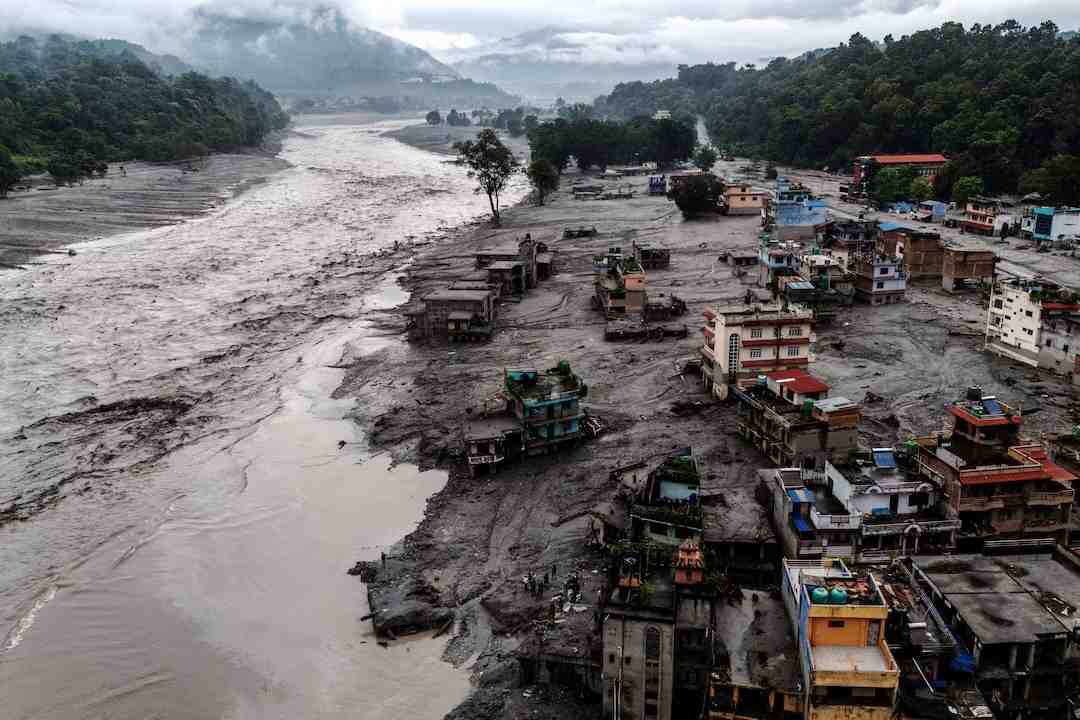
Guterres linked these increasingly familiar scenes directly to the overshoot debate: “This summer’s scorching heat, raging wildfires and deadly floods are a warning of what lies ahead.”
Not every flood, fire or heatwave is “caused by El Niño”. Their immediate causes differ. But these events are unfolding on a planet carrying more heat, and El Niño can further disturb an already changing climate system.
So, What Does All This Mean for Lebanon?
There is no simple equation saying strong El Niño = drought in Lebanon or El Niño = heavier Lebanese winter. Its influence on the Eastern Mediterranean is more complex, and the effects of each El Niño can differ.
What we do know is that Lebanon is entering this period already vulnerable.
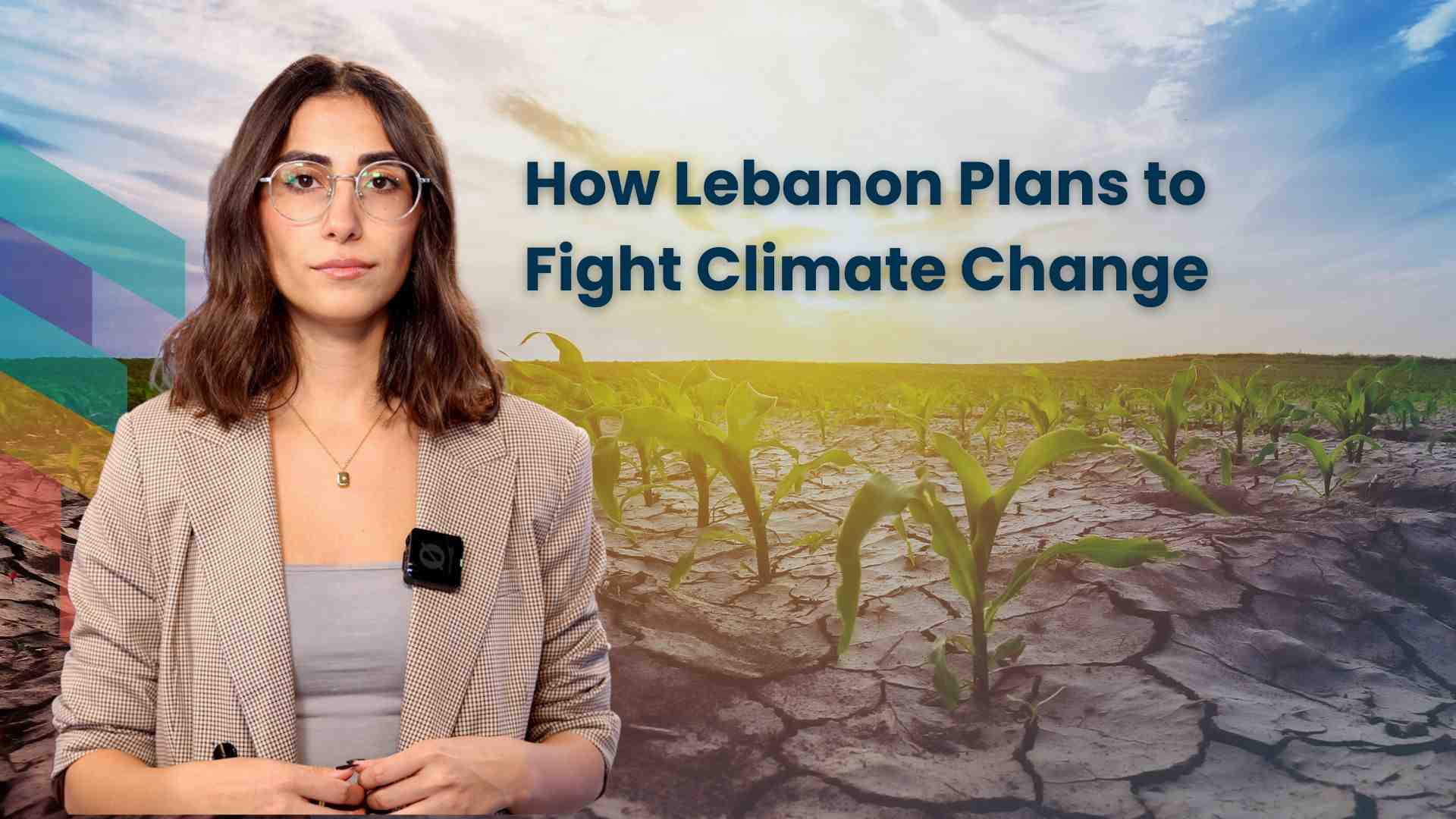
Lebanon's National Adaptation Plan identifies rising temperatures, declining precipitation, prolonged drought and extreme weather as growing climate risks.
The World Bank's climate data show that temperatures in Lebanon have increased by around 0.45°C per decade since 1970, while precipitation has declined by around 6.07 mm per decade.
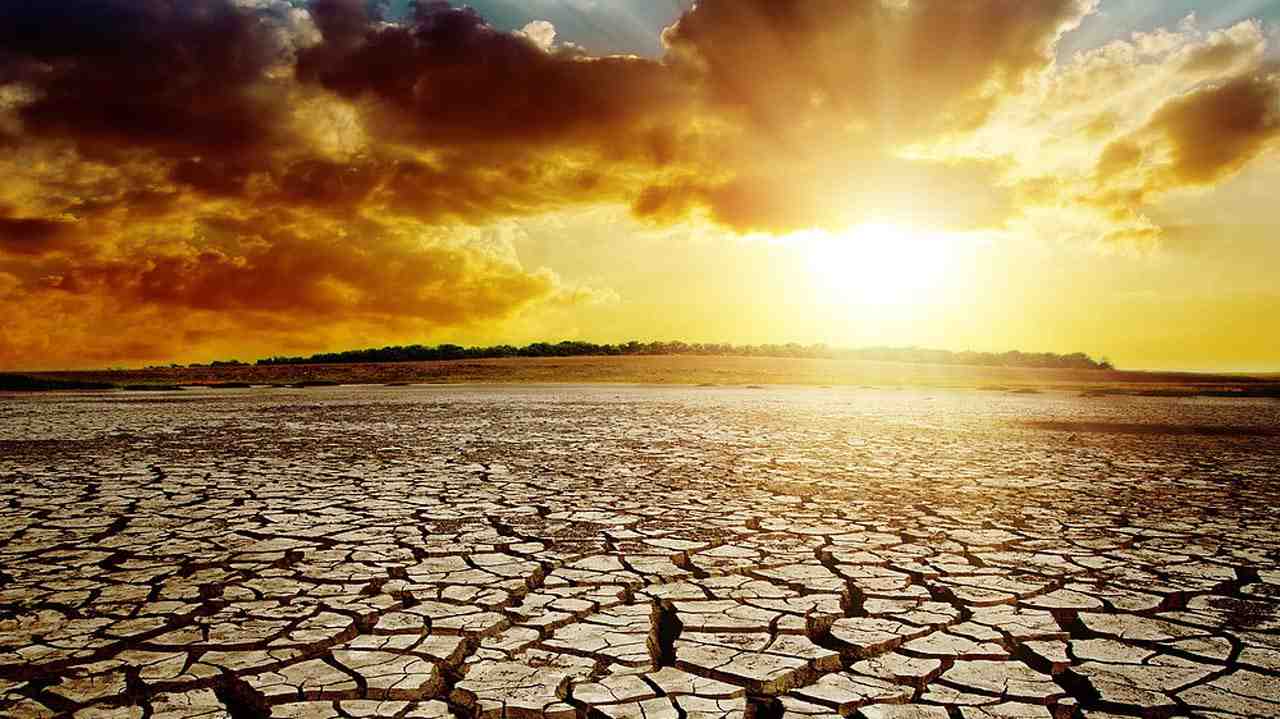
For people living here, climate change is therefore less about one global temperature figure and more about what that figure can eventually mean: hotter summers, greater water pressure, stressed agriculture, increased wildfire risk and more strain on health and infrastructure.
It can also produce a seeming contradiction: less reliable rainfall overall does not necessarily mean an end to floods. A warmer atmosphere can hold more moisture, allowing rain, when conditions align, to fall intensely over short periods.
El Niño may begin in the Pacific, but this time it is developing against a climate background unlike the one in which previous generations experienced it.
Saulo's message is ultimately not that disaster is inevitable. Her message is that there is still time to prepare. "We have the forecasts and foresight to save lives and protect livelihoods.”