



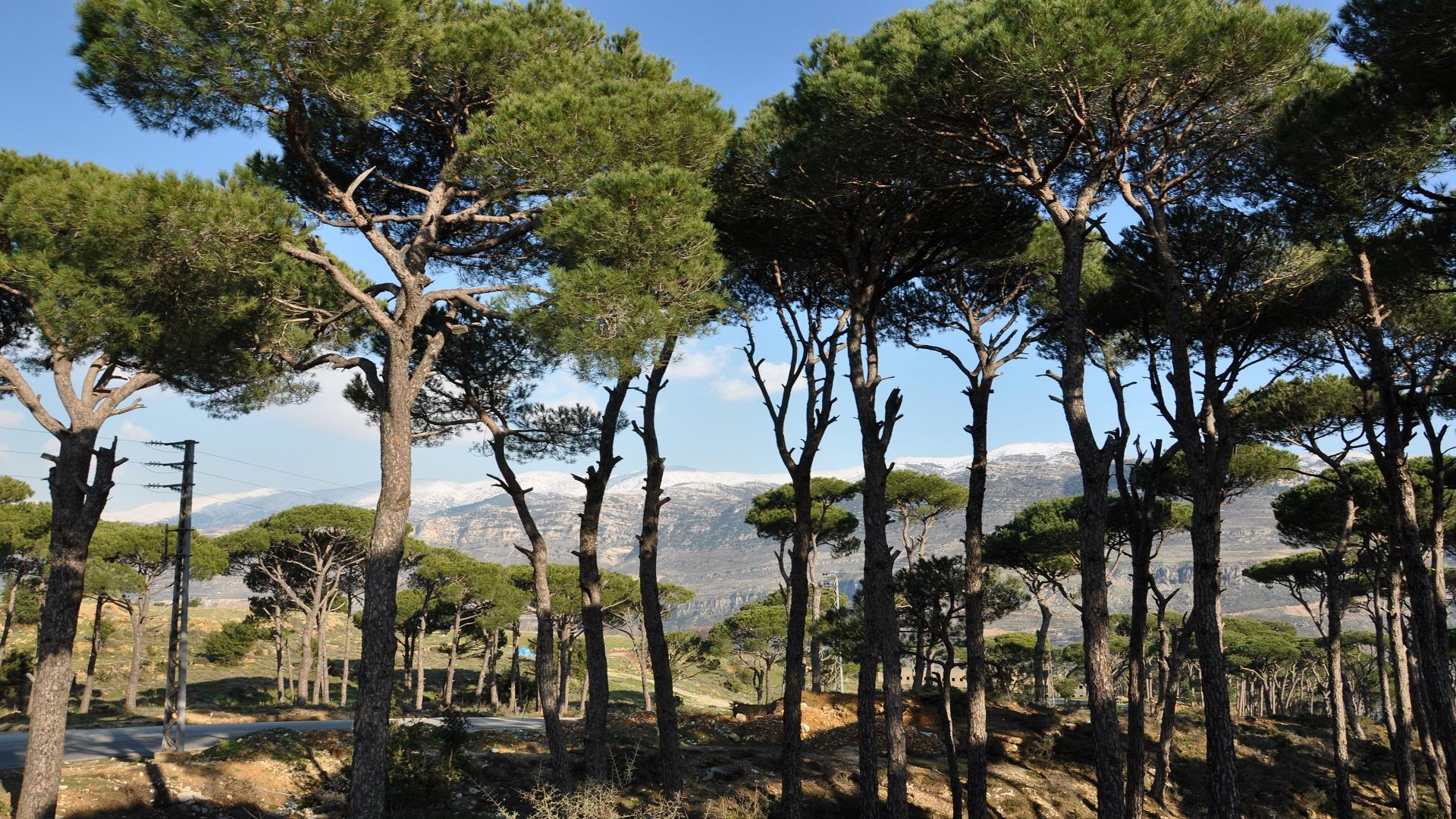
LEBANON — The Ministry of Agriculture has warned farmers and traders against harvesting pine cones before they are fully ripe, saying the practice can reduce yields, lower product quality and undermine the value and reputation of Lebanese pine nuts.
The timing of the warning is significant: the Ministry recommends that harvesting should not begin before October in areas below 800 meters above sea level and before November in areas above 800 meters. Yet the Ministry is issuing the warning in early September after reports that some farmers and traders have already started harvesting.
Why Are Farmers Harvesting Early?
If early harvesting can reduce the value of the crop, why are some farmers doing it?
One study of pine-nut farmers, conducted outside Lebanon, found that the two main reasons reported by farmers who harvested early were preventing theft (44.5%) and receiving income from the crop sooner (41.2%).
These findings do not establish why Lebanese farmers harvest early, but they point to two possible factors worth examining locally: concerns over theft and the need for earlier income.
Why is Early Harvesting Dangerous?
Pine cones need time to complete their natural development and ripening process. Harvesting them too early can prevent the seeds from developing fully, resulting in:
Lower pine nut weight and reduced yields.
Lower quality and commercial value.
Greater susceptibility to spoilage and a shorter shelf life.
Lower prices for farmers.
Damage to the reputation of Lebanese pine nuts in local and international markets.
The Ministry stressed that following the recommended harvesting dates benefits farmers by improving yields and the quality and market value of their production.
Protecting Pine Trees From Pests
The Ministry is also implementing a program to monitor and control pests affecting pine trees, including the western conifer seed bug, which attacks newly formed cones and the seeds inside them and can affect pine nut development.
Where necessary, the Ministry said it will use drones for targeted spraying in line with approved technical and environmental standards and in coordination with municipalities and local authorities. Monitoring operations extend from Mount Lebanon to Bkassine and Hasbaya, depending on field findings and infestation levels.
The Ministry is also conducting awareness campaigns and mobile guidance sessions in pine-producing villages to promote integrated pest management and discourage practices that weaken trees or contribute to pest infestations.
It has further warned against excessive pruning of productive pine trees, explaining that removing too many branches reduces the tree's ability to produce nutrients and withstand heat, water stress and pests.
What is the Ministry Doing?
The Ministry said it will begin inspecting thermal ovens used to open pine cones to ensure they comply with technical, health and environmental requirements.
Operators will be instructed not to accept unripe or unknown-origin crops. Specialized teams may also collect pine nut samples for laboratory testing to assess ripeness, quality and safety. Violators will face legal action.
The Ministry also stressed the importance of detecting and treating trees affected by Tomicus species and properly handling infected wood and branches to prevent pests from spreading to healthy trees.
It called on farmers, producers and investors to follow technical guidelines and recommended harvesting dates, stressing that protecting pine trees and preserving the quality and reputation of Lebanese pine nuts is a shared responsibility.