







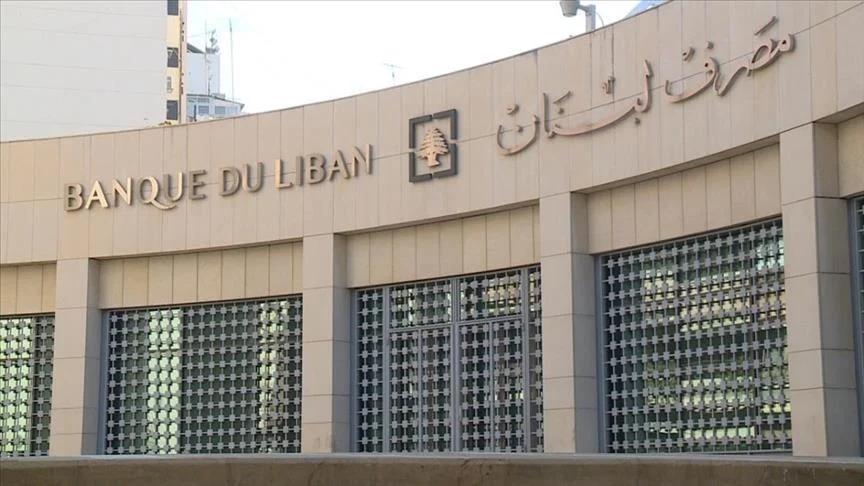
LEBANON – The Central Bank of Lebanon has announced new measures to encourage the use of payment cards and electronic payment methods, while reducing reliance on cash transactions, in cooperation with the Ministries of Finance and Economy, Visa, Mastercard, and the banking and financial sectors.
Second Deputy Governor of the Central Bank Makram Bou Nassar said during a press conference that the bank has issued several circulars aimed at facilitating card payments and reducing fees charged on transactions.
Card Payments Increase
Bou Nassar said card payments increased by 130% during the first eight months of 2026 compared with the same period in 2025, while the value of payments increased by more than 50%.
He noted that the increase could have been higher had it not been for the impact of the war on economic activity.
He also reported a 142% increase in the number of checks, while the value of checks in Lebanese pounds increased by 105%. Dollar-denominated checks increased by 124% in number and 102% in value.
Lower Payment Fees
Bou Nassar said the Central Bank reduced payment card fees to 1.25% for most commercial, service and healthcare businesses. It also capped payment card fees at 0.9%.
He added that the Central Bank has issued further circulars to strengthen compliance and transparency and improve governance and management among institutions operating in the payments sector, including electronic wallets and money transfer companies.
He stressed that all merchants are required to accept card payments without imposing any additional fees on consumers.
Digital Payments in Public Institutions
Director General of the Ministry of Finance George Maalouf said the cooperation between the Central Bank, the Ministries of Finance and Economy, Visa and Mastercard aims to enable citizens to pay taxes and fees using bank cards.
He said the Ministry of Finance has installed 38 electronic payment terminals (POS) in its offices across Lebanon, out of 52 initially planned.
The installation of additional terminals in other public institutions will resume as security conditions improve, he said.
According to Maalouf, the terminals help reduce the risks associated with transporting cash, while facilitating oversight and improving transparency.
Electronic Payments Expand
Director General of the Ministry of Economy Mohammad Abou Haidar said the reactivation of electronic services is an important step toward strengthening consumer protection and supporting Lebanon’s digital transformation.
He said there are around 1,100 electronic payment terminals at fuel stations, out of 3,200 stations, and around 1,200 terminals in pharmacies, out of 3,600 pharmacies.
Electronic payments at fuel stations increased from 8% to 12%, while payments in pharmacies rose from 16% to 23% and in restaurants from 15% to 35%.
E-commerce recorded the highest level of electronic payment use, with online payments made through debit cards exceeding 51%.
In the supermarket sector, the share of purchases paid for by card increased from 17% to 36% in large stores and from 7.5% to 20% in medium-sized stores.
Additional Fees Are Illegal
Abou Haidar stressed that merchants charging consumers additional fees when they pay by debit or credit card is illegal and unacceptable.
He called on citizens to submit complaints through the Ministry of Economy and Trade’s digital services, noting that the system allows complainants to receive a reference number and follow up on their complaints.
He also announced that 22 intellectual property-related services can now be paid for electronically using debit or credit cards, with the payments transferred directly to the state treasury.
Supporting Small Businesses
Mastercard announced its cooperation with the Central Bank and relevant authorities to expand digital payment adoption in Lebanon, with a focus on supporting small and medium-sized businesses and women entrepreneurs.
The company said wider acceptance of digital payments could help businesses reach more customers, improve operational efficiency and strengthen financial inclusion.
It also highlighted the use of cybersecurity, artificial intelligence and anti-fraud technologies to enhance the security of digital payments.
Visa, meanwhile, said the volume of payments processed through its network has increased by 60% since the beginning of the year, describing the figures as a positive sign of Lebanese consumers’ growing readiness to use electronic payment cards.
The company said expanding digital payments could contribute to greater transparency, facilitate the movement of money and support economic activity.


