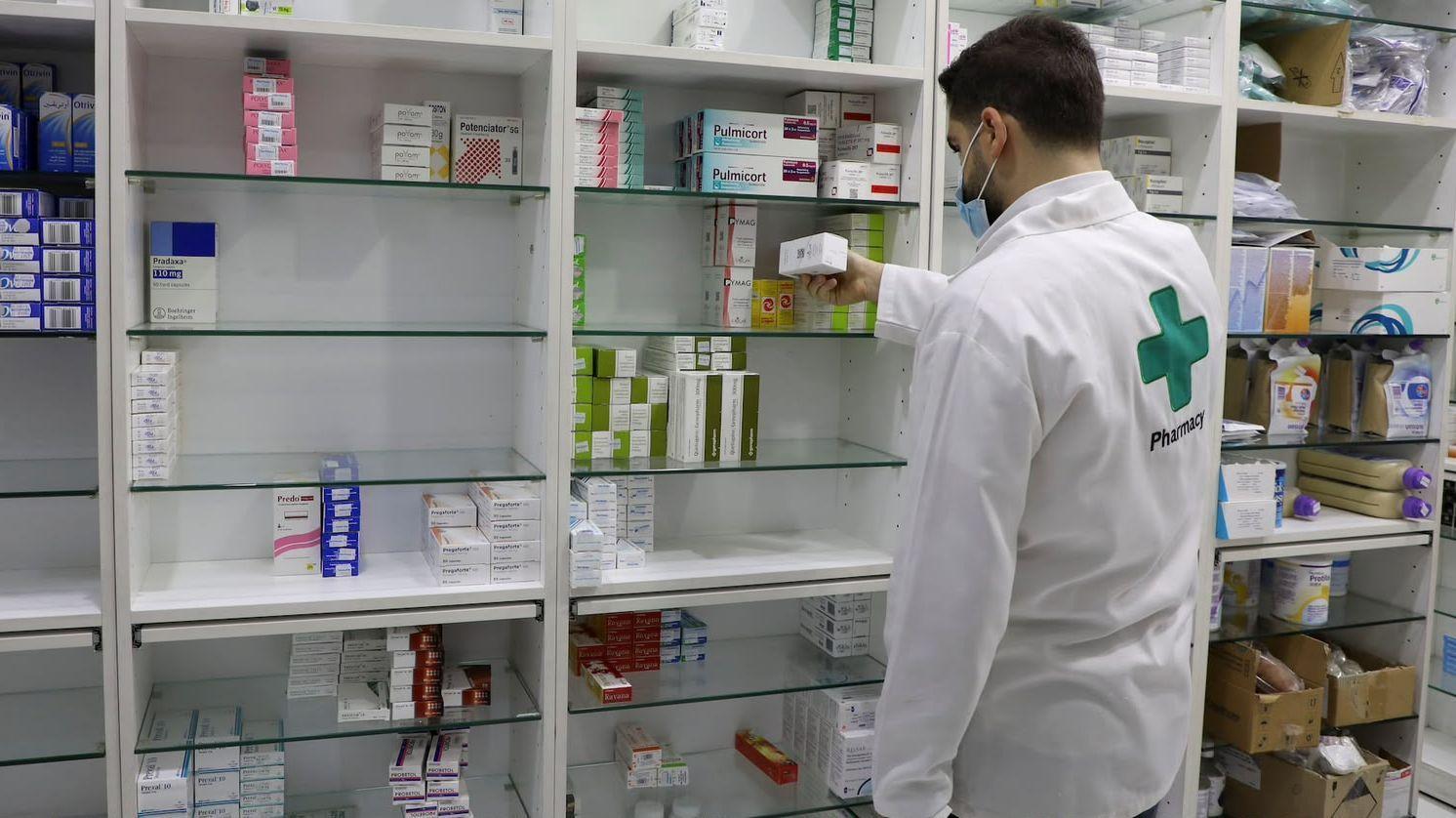
LEBANON – Access to medicines is a key component of the right to health. In Lebanon, however, pharmacies are facing growing pressures as rising costs and declining revenues increasingly affect their ability to maintain access to essential medicines.
More than 200 pharmacies have already closed, while around 700 more could close within the next two to three months, according to the President of the Order of Pharmacists of Lebanon, Dr. Abdel Rahman Merkabawi.
He warned that more than 1,000 pharmacies could be at risk of closure within a year if the situation does not improve.
In an exclusive interview with Enmaeya, Merkabawi said pharmacies are facing three main problems: rising costs, lower sales, and a lack of cash.
Growing Pressure on Pharmacies
According to Merkabawi, the operational costs of pharmacies have dramatically increased. This includes rent, subscriptions, staff salaries, phone bills, and other daily expenses.
At the same time, declining sales are making it increasingly difficult for pharmacies to cover their operating costs.
Merkabawi also linked the drop in sales to medicines being sold outside pharmacies.
He pointed to medical centers and dispensaries, including some licensed ones, as well as online sales, smuggling and the sale of medicines through places that are not pharmacies.
The pharmacists’ syndicate, the Ministry of Public Health, security forces and customs authorities are working to stop these practices, according to Merkabawi. The main goal, he said, is to make sure patients receive safe and trusted medicines.
Pharmacies Must Pay Before Receiving Medicines
Cash flow is another major problem for pharmacies.
Merkabawi said some medicine suppliers still require pharmacies to pay in cash before receiving their orders.
This means pharmacies need adequate cash flow to purchase medicines, even as their sales fall and their costs continue to rise.
The Issue Is Not Only the Price of Medicines
When asked about medicine prices set by the Ministry of Public Health, Merkabawi said the main issue is not the price of medicines itself, but the profit margin pharmacies receive from selling them.
According to Merkabawi, the Ministry is studying ways to adjust this margin without placing a major additional financial burden on patients.
Merkabawi also pointed to the large number of pharmacies and pharmacists in Lebanon.
He estimates that the country has around three times more pharmacies than it needs, while the number of pharmacists is about twice the required level.
At the same time, medicines continue to be sold online and through outlets outside licensed pharmacies, as authorities work to regulate and curb these sales.
What Happens to Patients if Pharmacies Close?
For Merkabawi, the crisis is not only about pharmacies and their owners. It could also directly affect patients.
He warned that if more pharmacies close, some patients may turn to buying medicines from sources that are not regulated or trusted, which could put their health at risk.
The challenge could be more pronounced in areas where pharmacies are already scarce. Further closures could make it more difficult for patients to access the medicines they need.
A Pharmacy Crisis or an Access-to-Medicines Crisis?
Lebanon’s pharmacy crisis raises a broader question: How can pharmacies remain financially viable while ensuring patients continue to have access to the medicines they need?
Rising costs, falling sales, and cash shortages are making it harder for pharmacies to sustain themselves. At the same time, fewer pharmacies could make it more difficult for people to access medicines, especially in areas where health services are already limited.
The crisis comes as Lebanon continues to work on reforms to its pharmaceutical sector and improve access to safe, affordable and available medicines.
In 2025, the Ministry of Public Health, together with the World Health Organization and the European Union, discussed reforms aimed at improving access to medicines, affordability and accountability.
The future of Lebanon’s pharmacies is therefore not only an economic concern. Keeping pharmacies operating also means preserving an important point of access to medicines. The challenge is to ensure the sector remains financially sustainable while keeping treatments affordable and accessible to patients.