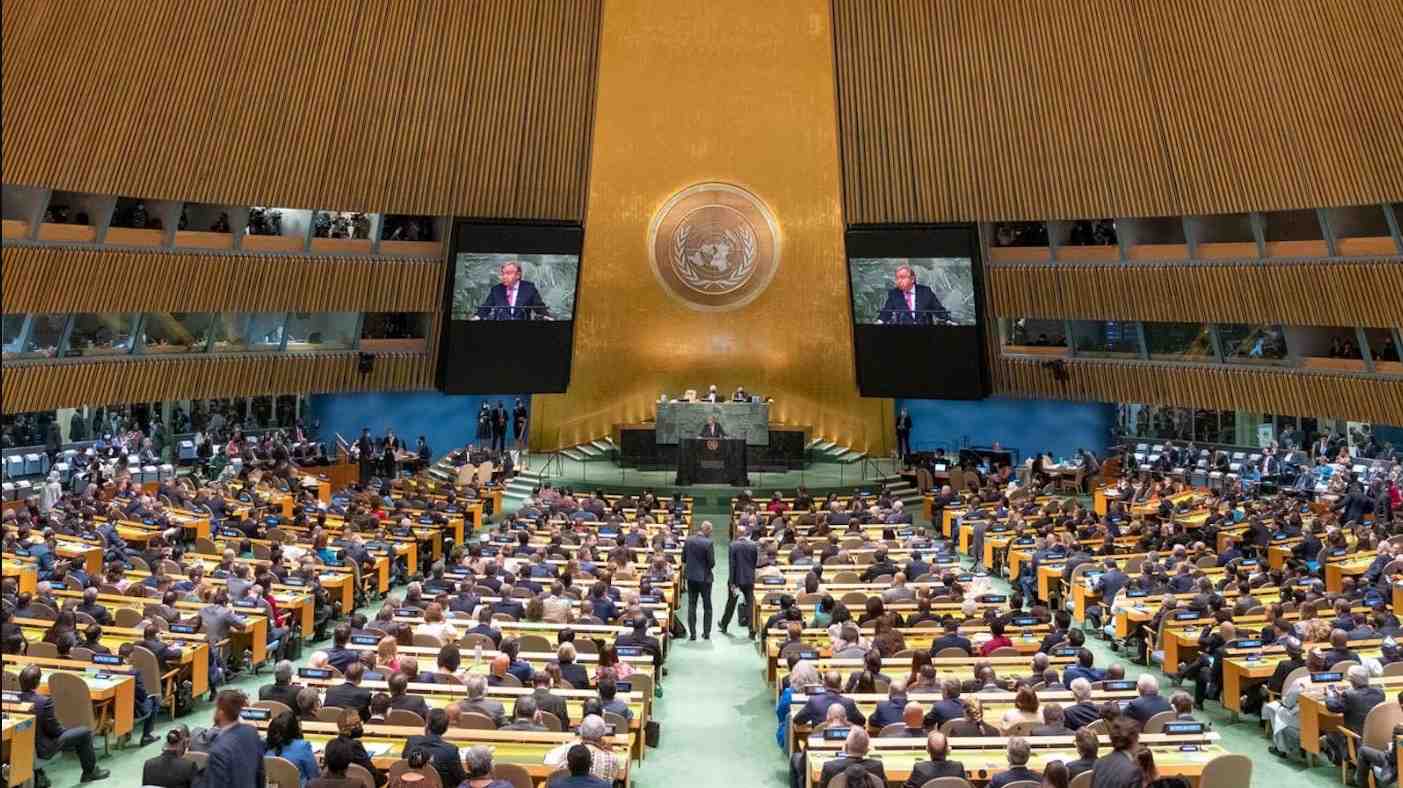
LEBANON - Climate and environmental pressures were part of a wider question running through the 81st UN General Assembly: how can countries already experiencing climate impacts afford to respond to a crisis they contributed relatively little to creating?
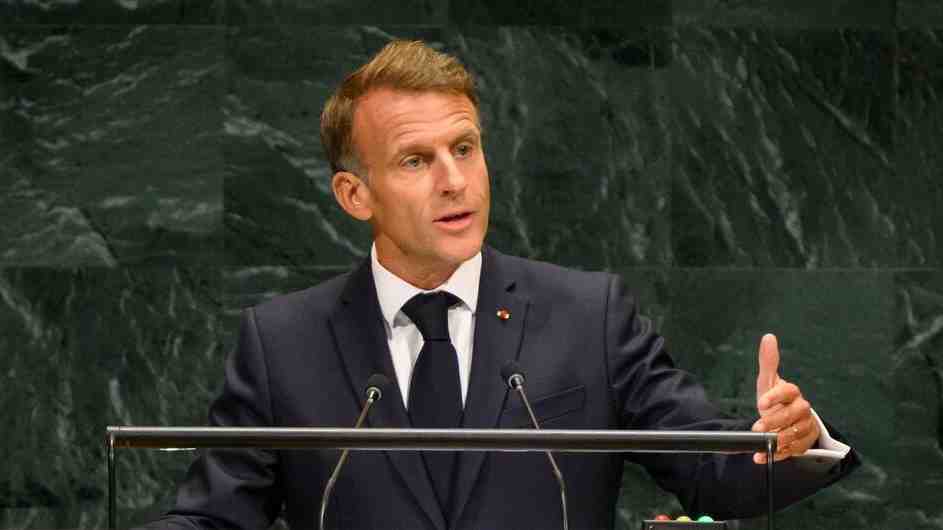
At the UN’s High-Level Event on Climate Action and the Just Transition, Secretary-General António Guterres called for at least US$300 billion a year for developing countries, rising towards US$1.3 trillion annually by 2035. “We are the first generation with the tools to end the fossil fuel age, and the last who can avert climate catastrophe,” he said.
Nepal raised the same issue from the perspective of vulnerable countries, calling for climate justice to mean “adequate, accessible and grant-based support” for countries bearing disproportionate climate costs.
The argument is relevant to Lebanon. Its latest adaptation plan says average temperatures have already risen 1.6°C between 1950 and 2020, while declining rainfall, drought, wildfires and sea-level rise are increasing pressure on water, infrastructure and coastal areas.
But beyond the discussions, what did Lebanon come back with?
A New Commitment to Ocean Protection
On 24 September, Lebanon formally ratified the BBNJ Agreement, or High Seas Treaty, which will enter into force for the country on 24 October.
The treaty protects marine biodiversity in waters beyond any country's jurisdiction. As a party, Lebanon can participate in decisions on high-seas protection and benefit from capacity-building and the transfer of marine technology. The agreement also establishes a financial mechanism to support implementation, including through the Global Environment Facility. This could support stronger marine science and technical capacity, although ratification does not automatically provide Lebanon with funding.
€505 Million, With Water Included
Immediate financial development came when the EU announced €505 million for Lebanon for 2026–2027 during UNGA week. The package is not specifically environmental or climate finance, but it explicitly includes maintaining water services, alongside health, education, and social protection.
That matters because Lebanon's adaptation plan expects declining rainfall and reduced groundwater recharge to intensify water shortages. Funding that restores the water sector could therefore also contribute to climate resilience if infrastructure is designed around those future risks.
Can Recovery Become More Climate-Resilient?
Lebanon, the EU and UNDP also launched the Moving Beyond Crisis Action Agenda, proposing that recovery combine grants, concessional finance and investment rather than rely only on repeated emergency assistance. UNDP places climate and nature among the five building blocks of this approach.
For Lebanon, the significance of UNGA 81 is therefore not one large environmental funding announcement. It is a combination of a new ocean commitment, funding that can strengthen a climate-sensitive water sector, and a recovery framework that could make future reconstruction more resilient. The next step is turning those international commitments into projects that address environmental pressures at home.