

LEBANON - From floods and wildfires to drought and extreme weather, Lebanon is increasingly confronting hazards that can disrupt communities, infrastructure and livelihoods. As governments and experts gather in Tunis this October to discuss the future of early warning across the Arab region, the question for Lebanon is not only how accurately risks can be predicted, but whether warnings can translate into timely action on the ground.
Early Warning Takes Centre Stage in Tunis
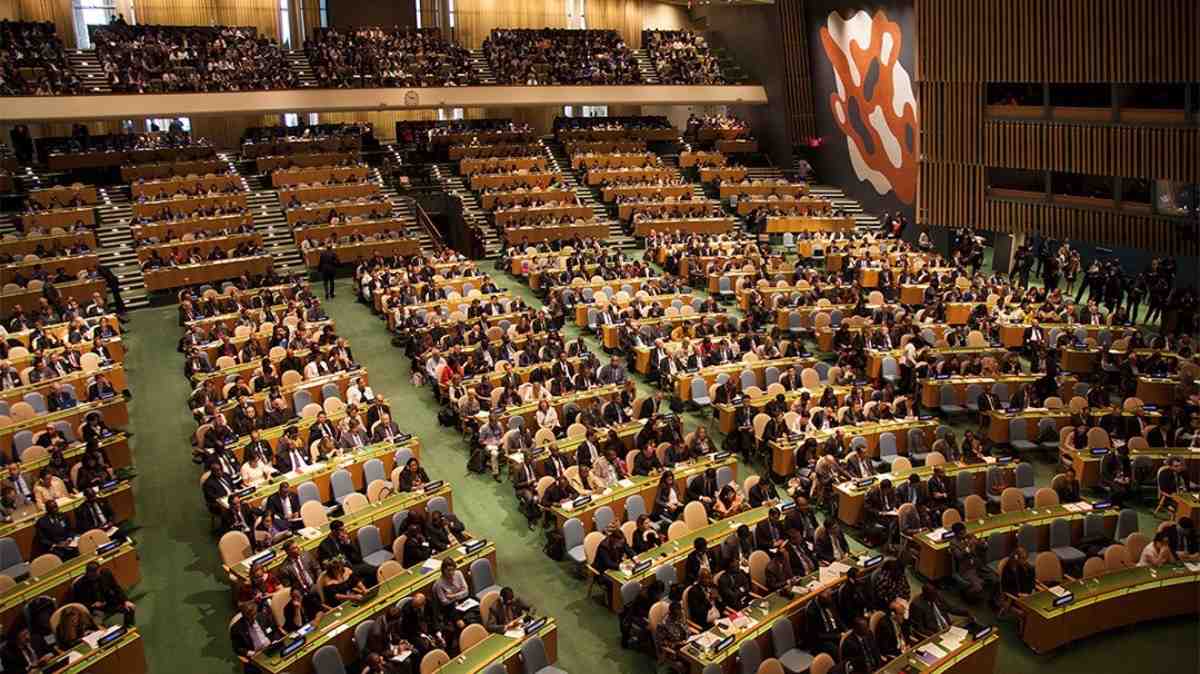
From 12 to 14 October 2026, Tunis will host the Second Arab Forum on Early Warning Systems and Disaster Preparedness, bringing together governments, experts and regional and international organizations.
The Forum comes as the Arab region faces interconnected risks, intensified by climate change, from drought and extreme heat to flash floods, wildfires and earthquakes. Discussions will focus on risk information, forecasting, communication and preparedness, while advancing Early Warnings for All (EW4All), which aims to ensure everyone is protected by an early warning system by 2027.
Globally, 119 countries, or 60%, now report having a multi-hazard early warning system, while disaster-related mortality is nearly six times lower in countries with more comprehensive systems.
Lebanon’s Risks Are Already Visible
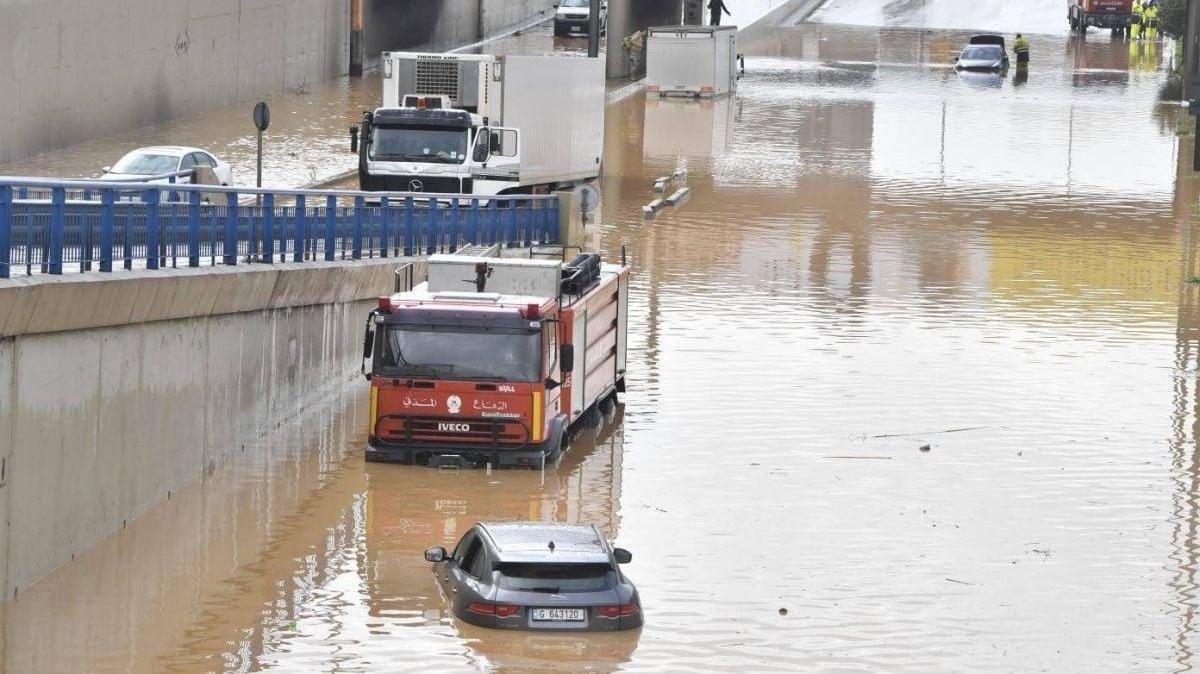
For Lebanon, these risks are far from theoretical. On 18 September 2026, intense rainfall over short periods caused water accumulation on several roads, prompting the Ministry of Public Works to deploy technical and maintenance teams and machinery.
Larger events show how quickly such hazards can escalate. In January 2024, northern Lebanon experienced its largest flood in more than 20 years. After seven days of heavy rain, the El Kabir and Ostouane rivers overflowed, flooding 3,000 homes and 850 informal settlements, affecting around 10,000 people and inundating 8,000 hectares of agricultural land. The scale of the impact also shows how urban expansion and informal settlements can deepen flood risk, making urban resilience part of disaster preparedness. Early warnings and evacuations helped prevent widespread loss of life.
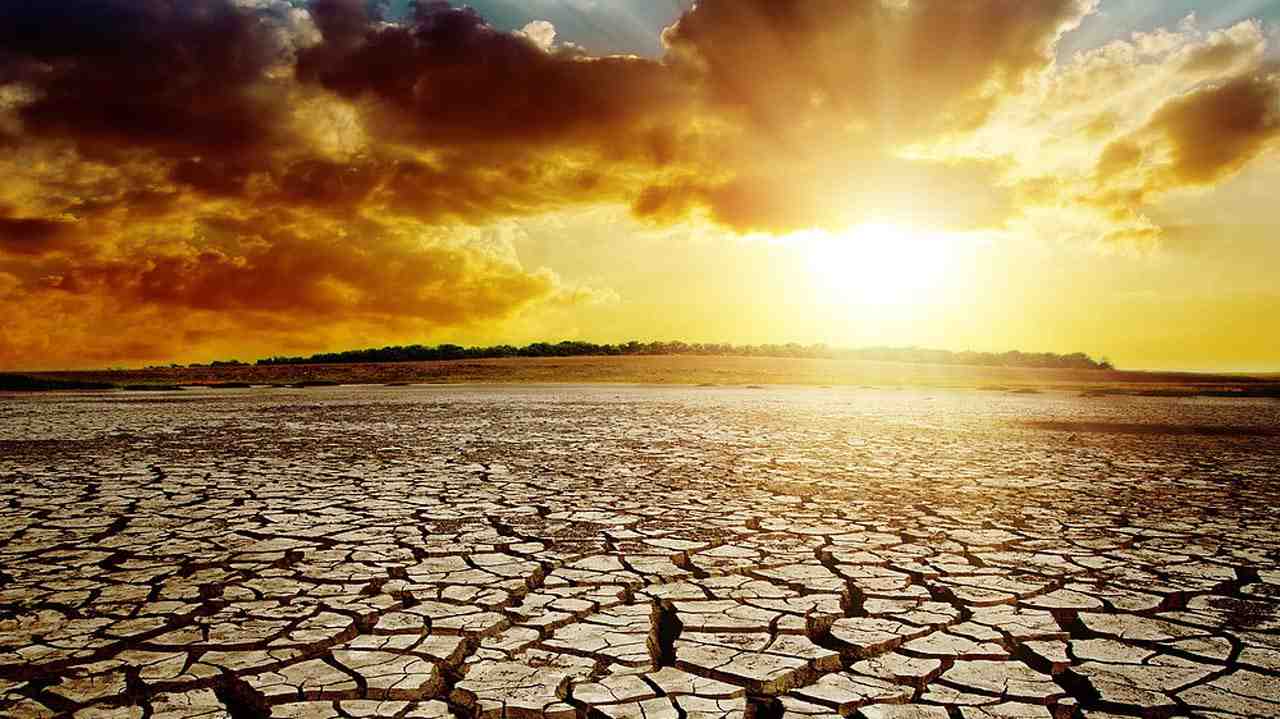
Lebanon also experienced its worst drought in decades in 2025, with rainfall in Beirut between January and April falling 54% below the historical average.
How Prepared Is Lebanon?
Lebanon has gradually strengthened its capacity to anticipate and respond to hazards. The National Center for Natural Hazards and Early Warning, established under CNRS-L in 2024, operates the National Early Warning System Platform, combining 24/7 satellite monitoring, digital modelling and geospatial data with tools such as drones, LiDAR and field sensors. International cooperation has also supported capabilities in areas including flood and forest-fire forecasting.
These systems are generating an expanding picture of Lebanon’s risks. Based mainly on 2021–2025 records, the Center reports averages of 407 flood events, 169 landslides, 1,800 snow-blockage events and 236 wind events, while daily forest-fire forecasts provide warnings for the following 72 hours.
This information is connected to the wider response system. The platform feeds into the national Disaster Risk Management Unit and governorate operations rooms, while regional response plans and municipal contingency-planning guidelines aim to strengthen preparedness locally. In Saida-Zahrani, for example, the Hariri Foundation supports the local DRM Unit through data management and GIS services, alongside coordination with municipalities and other partners.
The challenge is ensuring these different capacities work together so that warnings consistently translate into timely action on the ground.
What Tunis Could Mean for Lebanon
The Tunis Forum is particularly relevant to Lebanon, as its focus on turning risk information into effective warning and action reflects the country’s own preparedness challenge.
Lebanon is strengthening its ability to identify hazards. The next step is turning that information into coordinated, timely action—from national institutions and municipalities to first responders and communities. An early warning is only effective if it reaches people at risk early enough, in a form they can understand and act on. For Lebanon, preparedness will ultimately be measured by whether warnings can trigger action before hazards become disasters.