



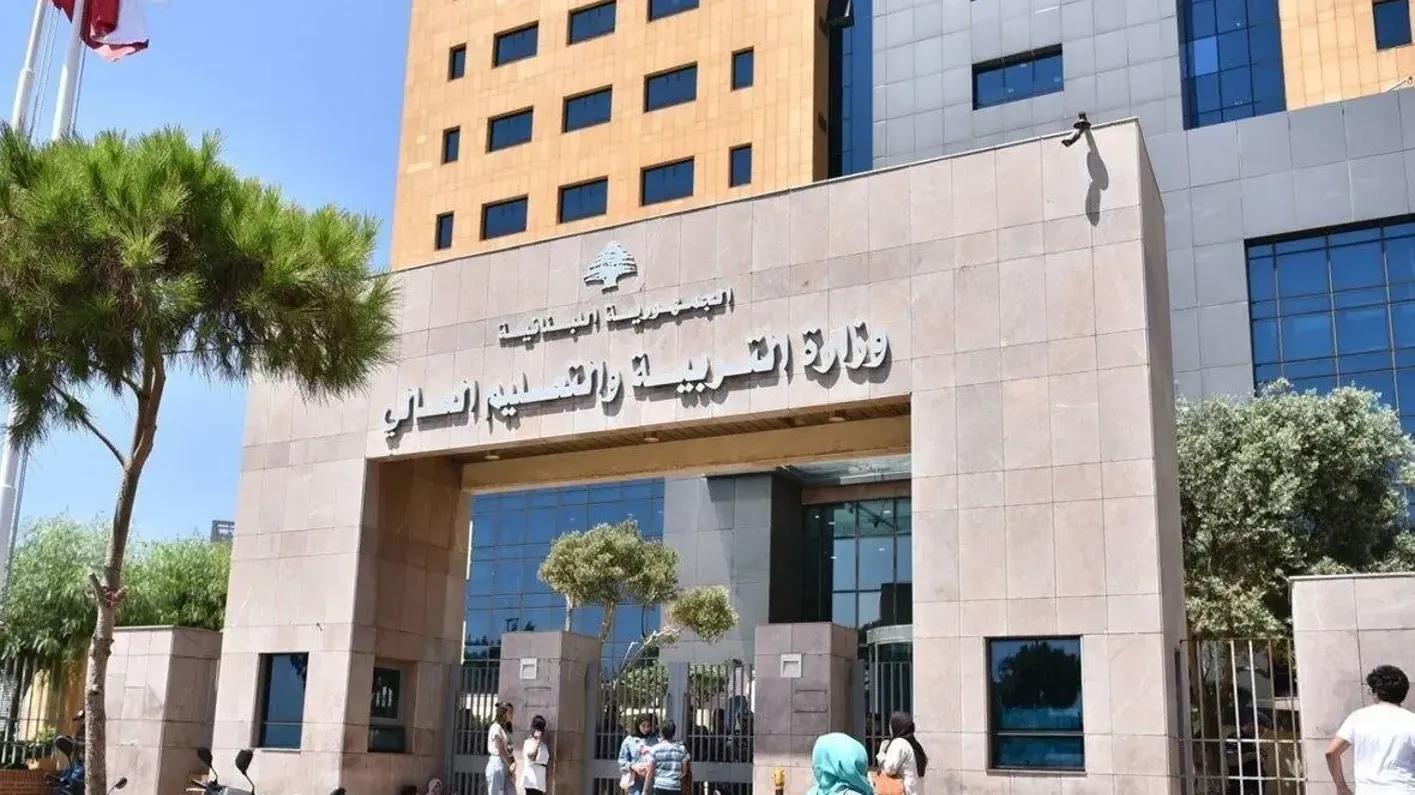
LEBANON — The Ministry of Education and Higher Education (MEHE) has unveiled its strategic roadmap for 2025–2027, alongside longer-term objectives under its Vision 2040, outlining measures to address learning loss, support educational recovery and strengthen Lebanon’s public education system.
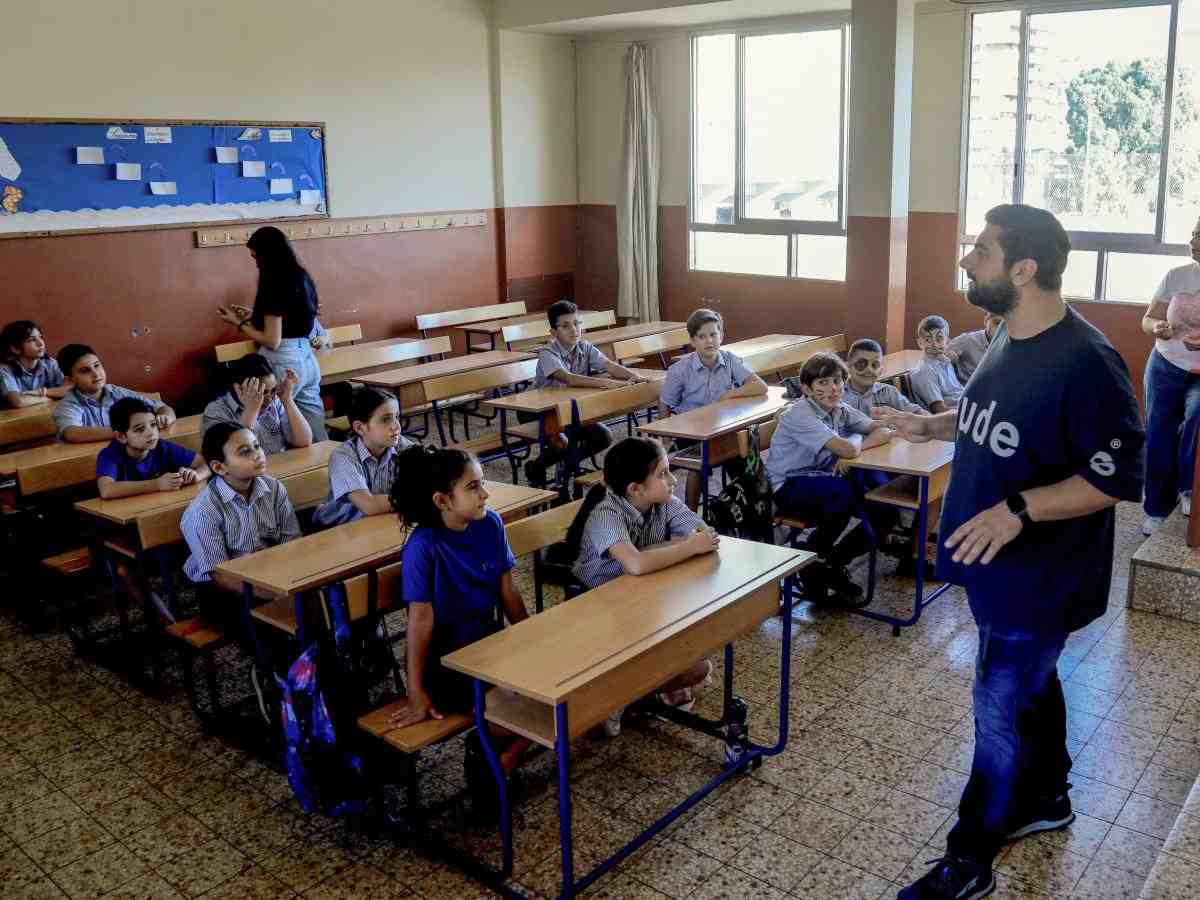
As part of the emergency response to learning gaps, the ministry’s first phase of summer remedial education enrolled 47,539 students from Grades 1 to 9 across 226 schools, with the participation of 2,916 teachers. The program aims to help students address learning gaps that emerged or deepened as a result of displacement and disruptions to education.
Data from the Learning-Adjusted Years of Schooling (LAYS) assessment also points to significant learning losses in core subjects. The largest gaps were recorded in Grade 6 mathematics, particularly in division, at 4.88 years, followed by geometry at 4.24 years and integers at 3.77 years.
Keeping Schools Open Amid Disruption
The ministry is also addressing the need to maintain educational continuity in areas affected by conflict. Among 274 public secondary schools in South Lebanon and Nabatieh, 202 continue to provide in-person learning in their original buildings, while 24 operate in alternative buildings either fully or through a hybrid model.
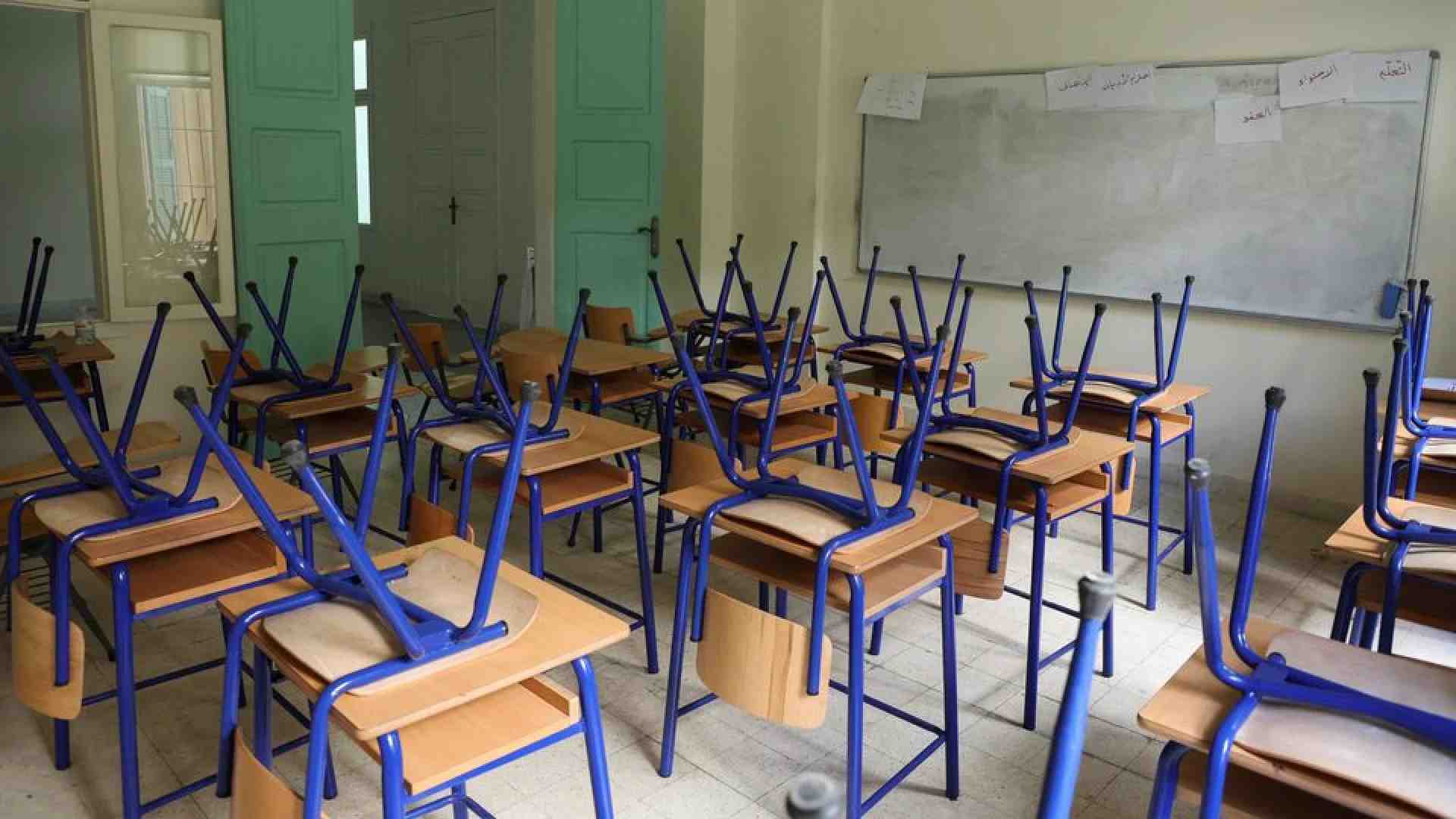
Another 23 schools are providing in-person education at shelter centers, 19 have shifted to distance learning and six remain temporarily closed.
Under the 2025–2027 strategic plan, the ministry has identified several areas for reform, including teaching and learning, infrastructure, digital transformation, governance, staff development, partnerships and student well-being.
The plan calls for expanding flexible learning pathways that combine in-person, hybrid and distance education, while strengthening assessment systems and teaching practices.
It also prioritizes the rehabilitation and assessment of damaged school buildings and improvements to learning environments.
Expanding Digital Education
Digital transformation is another key component of the strategy, with efforts focused on expanding digital infrastructure and online learning platforms, alongside stronger cybersecurity measures.
At the institutional level, the ministry aims to strengthen planning and governance, develop unified education databases and improve the transparency and organization of national examinations.
The strategy also includes measures to build the capacity of educational staff and improve the deployment of teachers and other personnel across the public education system.
Working With International Partners
Partnerships with international organizations and donors are also included in the strategy. The ministry is working with partners including UNICEF, UNESCO and the World Bank to support education recovery, infrastructure rehabilitation and institutional reform.
The plan further places emphasis on social cohesion and student well-being, including promoting dialogue and inclusion in schools and expanding psychosocial support within learning environments.
Looking Toward Vision 2040
The 2025–2027 roadmap forms part of the ministry’s longer-term Vision 2040, which seeks to transform Lebanon’s education system by improving infrastructure, teaching quality, learner well-being, research and professional partnerships.
The ministry says the longer-term vision aims to build a more equitable and resilient education system capable of responding to future challenges while ensuring continued access to quality learning.