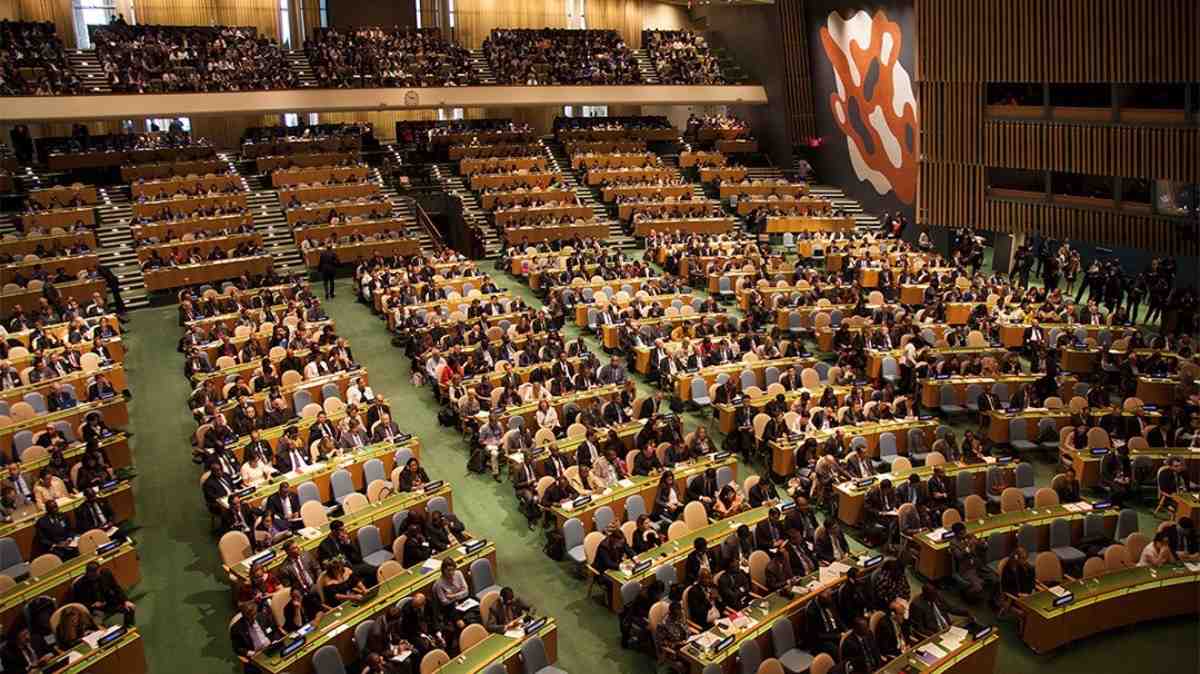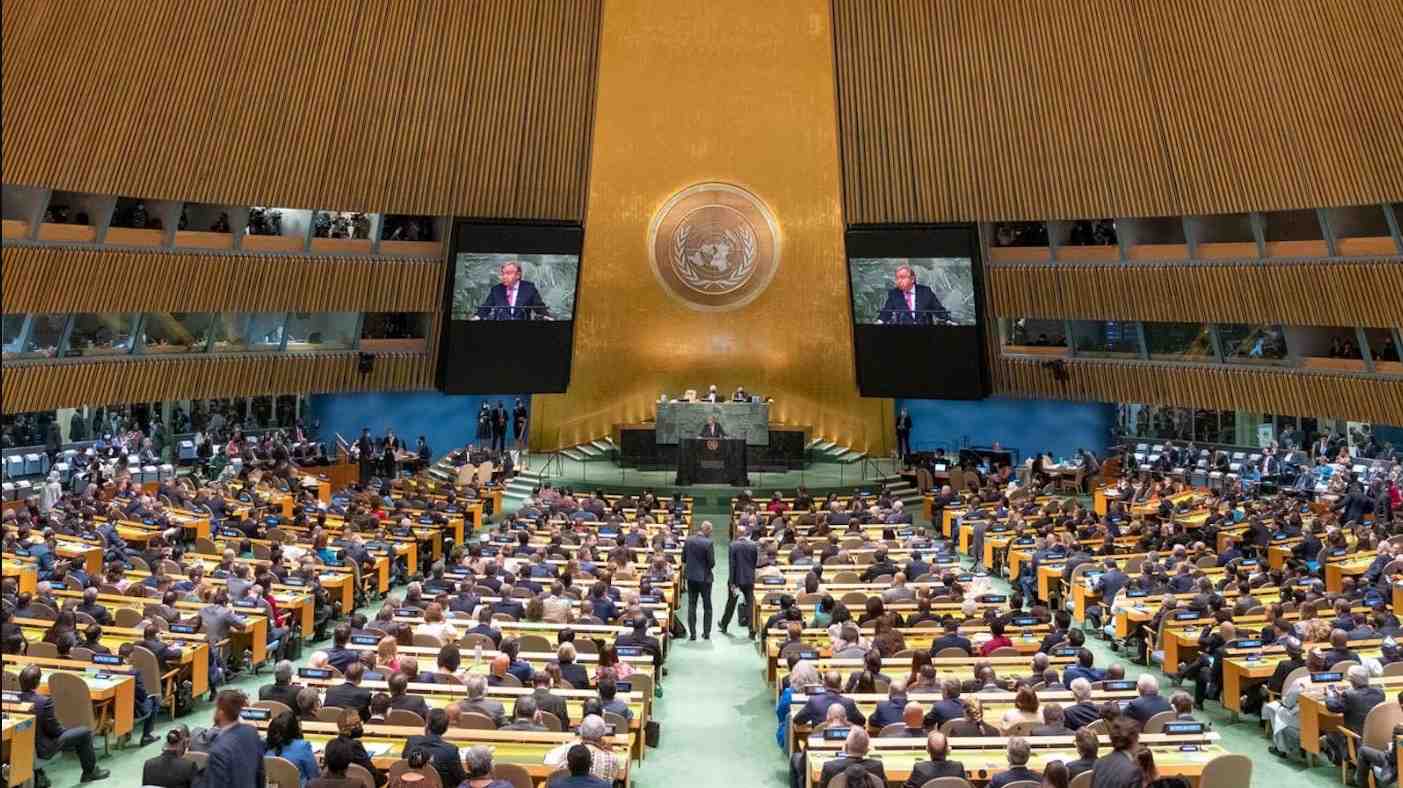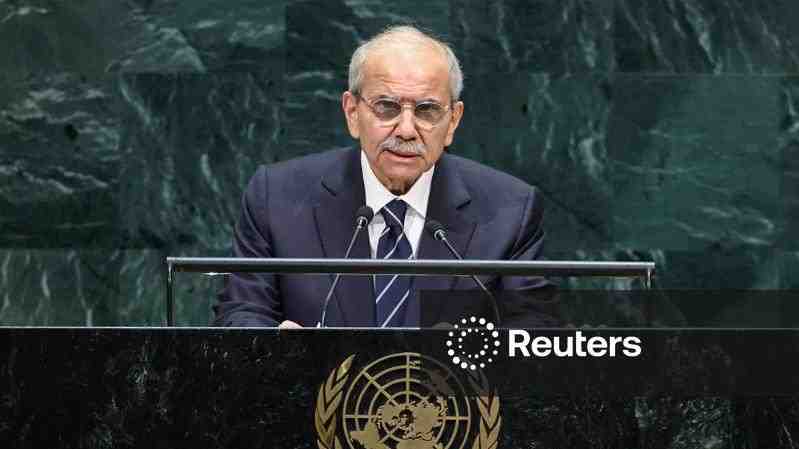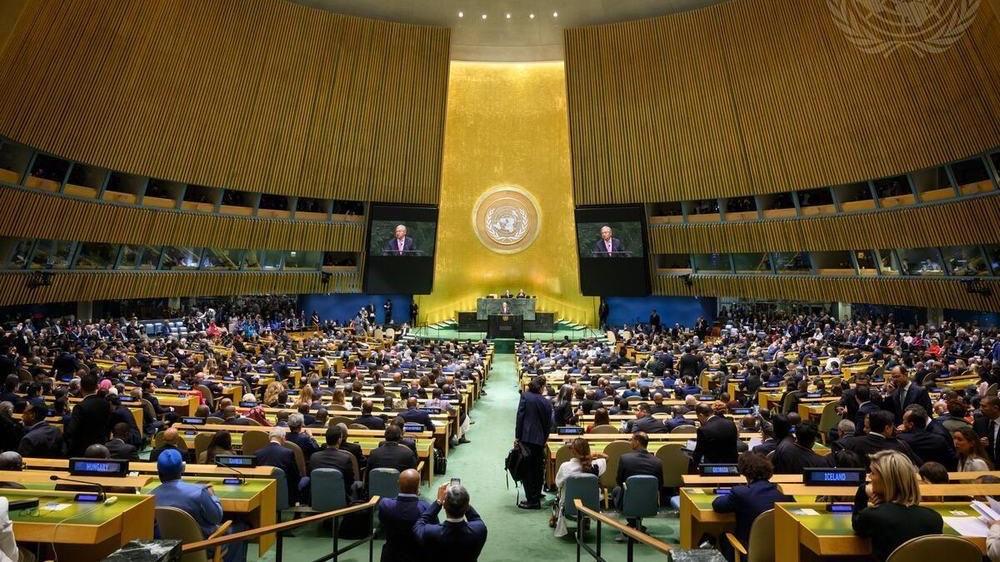
MIDDLE EAST - Four decades after the UN General Assembly adopted the Declaration on the Right to Development in 1986, the Assembly held a high-level meeting during UNGA 81 on September 23, 2026, to mark the milestone.
Adopted by the UN General Assembly in 1986, the declaration defines development as a comprehensive economic, social, cultural, and political process aimed at continuously improving people’s well-being through participation and a fair distribution of its benefits.
The declaration raises a question that remains central to development today: not simply how economies grow, but how that growth improves people’s lives and how fairly its benefits are distributed.
Beyond Economic Growth
Ragui Assaad, Professor and Freeman Chair for International Economic Policy at the University of Minnesota, argues that economic growth should be viewed as a means rather than a measure of development.
“Development is the sustained improvement of the wellbeing of the majority of a country's population,” he told Enmaeya. Growth may be necessary, he said, but it does not automatically translate into better living conditions.
If rising incomes are not adequately distributed or do not improve access to education, healthcare, nutrition, mobility, information, adequate housing and basic services, a wealthier economy does not necessarily mean a better life.
Lebanon illustrates why development cannot be measured by economic indicators alone. According to the World Bank’s 2024 Poverty and Equity Assessment, the share of people living below the study’s poverty line across five surveyed governorates rose from 12% in 2012 to 44% in 2022.
The rate reached 70% in Akkar, highlighting substantial regional disparities. At the same time, Lebanon recorded a Human Development Index (HDI) of 0.752 in 2023, ranking 102nd out of 193 countries and territories and placing it in the high human development category, according to UNDP.
These indicators capture different dimensions of well-being: while the HDI reflects achievements in health, education and income, the poverty figures reveal the scale of economic hardship in the surveyed areas. However, the 44% poverty estimate should be interpreted with caution, as the World Bank survey covered only five of Lebanon’s eight governorates and does not provide a fully representative national estimate.
Together, these figures underscore the need to look beyond national averages and economic performance to examine whether people can meet their basic needs, access essential services and benefit fairly from development.
At the individual level, development should be reflected in people’s ability to afford healthcare and education, access safe water and clean air, meet their nutritional needs, access reliable transportation, participate in decisions affecting their communities, and enjoy greater security about their future.
The MENA Experience
Across the Middle East and North Africa, Assaad identifies several areas that can be overlooked when development is measured primarily through economic indicators. These include how the benefits of growth are distributed, the quality of public services, the fairness of public institutions and people’s ability to participate in decisions affecting their communities.
He also challenges the idea that economic growth, subsidies or major infrastructure projects are by themselves sufficient to deliver broad-based development.
There are, however, examples of policies designed to improve inclusion. Assaad points to large-scale cash transfer programmes and the expansion of basic infrastructure to poorer villages and neighborhoods. At the same time, he notes that some investments in roads, bridges, new cities and affluent suburbs have been inadequate.
What This Means for Lebanon
Assaad identified public services and institutions as a potentially significant constraint on the country’s development.
“The quality of public services and the proper functioning of public institutions may be the largest constraint on development in Lebanon,” he said, adding that insecurity, threats of violence and displacement can further complicate development.
The pressure on Lebanon’s public services and living conditions has intensified amid renewed conflict. The World Bank projects that Lebanon’s economy will contract by 6.4% in 2026, reversing an estimated 4.2% expansion in 2025. The bank also warns that prolonged displacement, damage to infrastructure and disruptions to education and healthcare could have lasting effects on the country’s productive capacity and medium-term growth
His broader argument also points to a changing role for governments. Rather than acting primarily as employers and producers, governments should create conditions for the private sector to operate, while serving as regulators and ensuring the provision of essential services.
Rethinking the Right to Development
The concept of a right to development also raises a practical question: what happens when the resources needed to deliver better outcomes are limited?
Assaad is cautious about framing development as a right in the same way as civil and political rights, because governments’ capacity to deliver can be constrained by factors beyond their control. Instead, he proposes a more direct measure of progress: how well the most disadvantaged people in a society are living, and how quickly their circumstances are improving.
For Lebanon and the wider MENA region, that approach puts the focus on outcomes rather than headline economic figures, whether institutions function, essential services reach people, and improvements in living conditions extend beyond those already best positioned to benefit.