



BEIRUT– Travelling through airports can be stressful for some autistic children because of loud noises, bright lights, crowds, and different sensory stimuli. As efforts grow to make public facilities more inclusive, it is important to provide spaces that consider the different needs of travellers and allow them to access and use services with greater dignity and independence.
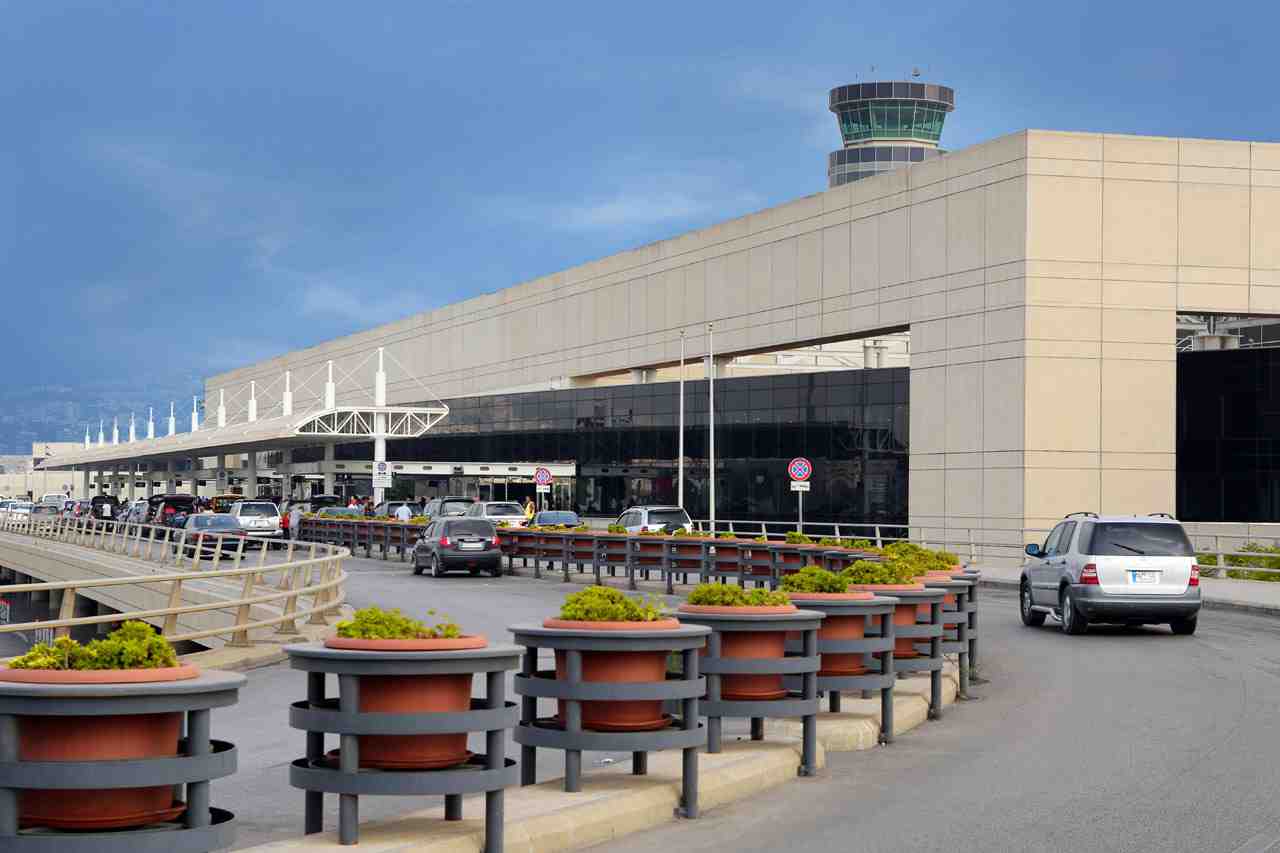
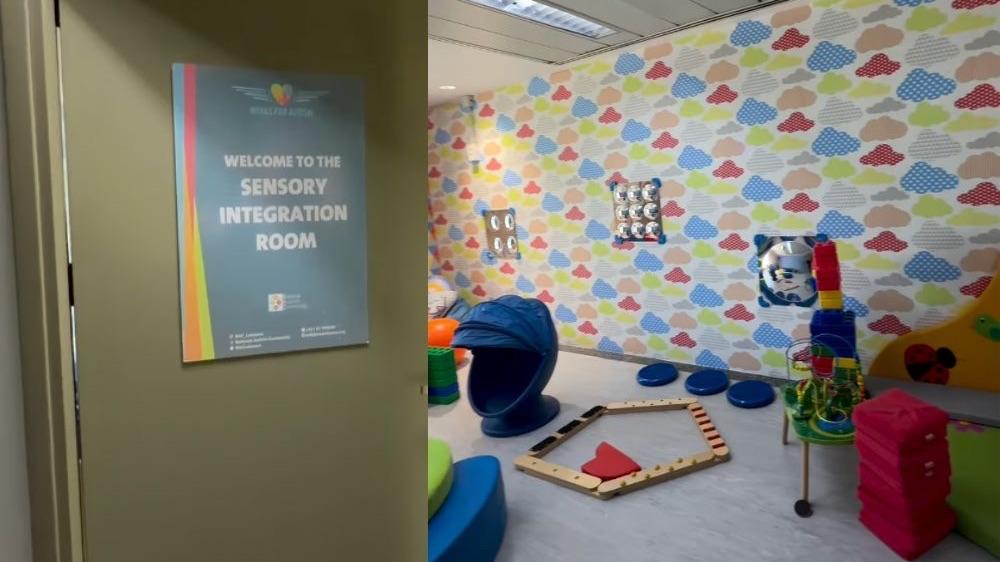
In this context, Beirut–Rafic Hariri International Airport has dedicated a sensory room designed for autistic children and children with sensory difficulties. The initiative reflects the importance of incorporating accessibility and inclusion into the design of public facilities and services, in line with Lebanon’s commitment to the Convention on the Rights of Persons with Disabilities (CRPD).
The room is located in the departures area, near Gate 3. It offers children a quieter space before boarding their flight.
A Sensory Room to Reduce Stress Before Travelling
Loud noises, constant movement, and bright lights at airports can increase stress for some autistic children, making it difficult for them and their families to move through these spaces. A sensory room allows children to take a break from these stimuli in an environment better suited to their needs.
The room was established in 2018 in collaboration with the National Autism Community (NAC) and was renovated later in 2024 to maintain a comfortable and safe space for children. The initiative is part of wider efforts to improve the travel experience for persons with disabilities by considering their sensory needs as well as their physical accessibility needs.
These spaces do more than provide comfort. They can also help families prepare for travel in a more suitable environment and help reduce barriers that may prevent people from using transport services.
Designing for Different Needs
Inclusion goes beyond providing ramps, elevators, and accessible walkways for persons with disabilities. It also means understanding differences in sensory and communication needs and developing services that respond to them.
From this perspective, the sensory room shows why the needs of persons with disabilities should be considered when planning public facilities, rather than treated as secondary concerns. It also highlights the importance of cooperation between public institutions and specialized organizations to identify needs and develop suitable solutions.
However, promoting inclusion also requires these services to remain available, ensuring that travellers know about them and can access them easily. Staff should also receive training on how to support travellers with different needs. The official Beirut Airport website provides information about services for passengers with disabilities and those who need special assistance.
Inclusion Through Accessible Infrastructure
Reducing the barriers that persons with disabilities face when using public facilities helps promote equal opportunities and participation in social life. Developing sustainable infrastructure also means looking beyond physical and technical requirements and considering the different needs of the people who use these facilities.
This approach is also in line with Goal 10: Reduced Inequalities and Goal 11: Sustainable Cities and Communities, and Article 9 of the Convention on the Rights of Persons with Disabilities, which highlights the importance of equal access to the physical environment, transportation, information, and public services.
From Individual Initiatives to a Sustainable Strategy
The sensory room is an important step towards making air travel more accessible for autistic children and their families. However, to strengthen its impact, inclusion needs to be part of a wider strategy.
This includes improving services, providing clear information to travellers, measuring how much people benefit from these services, and consulting persons with disabilities and their families when planning future improvements.
Sustainable facilities are not simply those that continue to operate. They also ensure their services are accessible and suitable for different groups in society.
The initiative highlights the need to integrate accessibility and inclusion into public infrastructure policies and planning standards. Public authorities should establish clear requirements for incorporating sensory-friendly spaces and other accessible features into the design and operation of airports and other public facilities, making these measures a standard component of infrastructure development rather than isolated initiatives.