



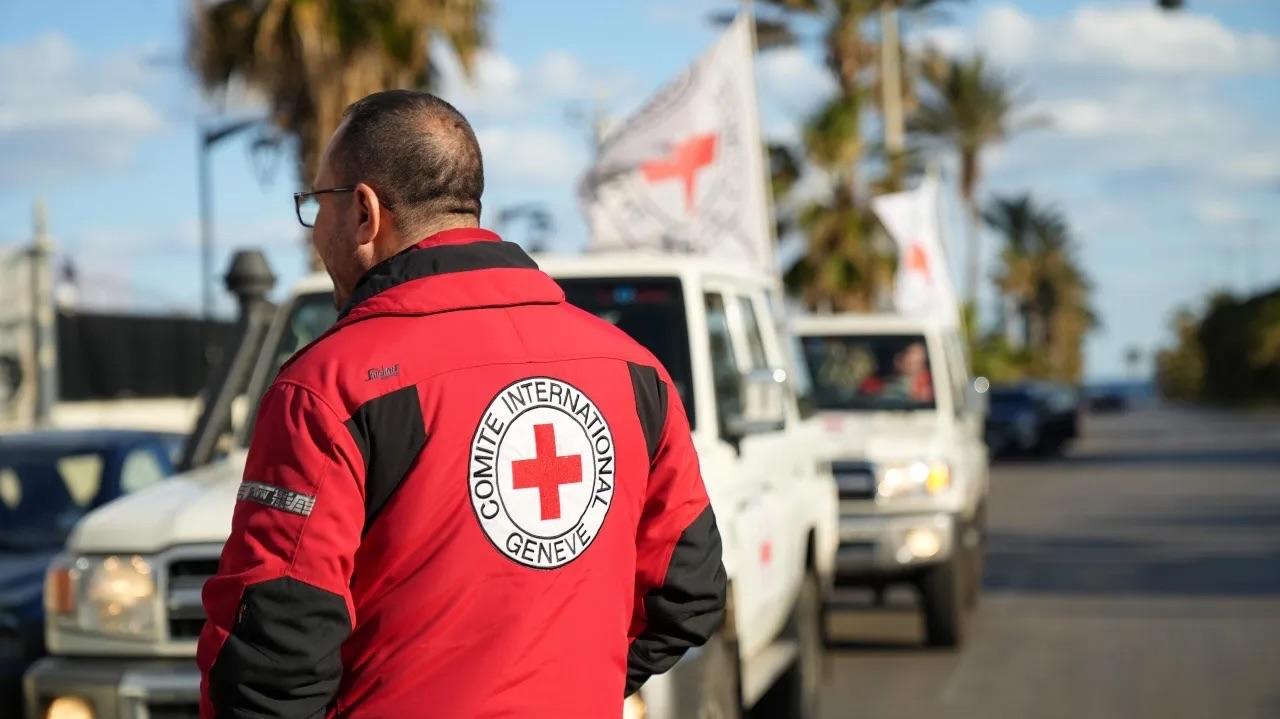
MIDDLE EAST - The International Committee of the Red Cross (ICRC) warned that escalating hostilities across the Middle East could have “disastrous” consequences for tens of millions of people, calling for urgent efforts to de-escalate and protect civilians.
“Civilians are paying an unacceptable price as a result of military operations in the Middle East,” ICRC President Mirjana Spoljaric said in a statement.
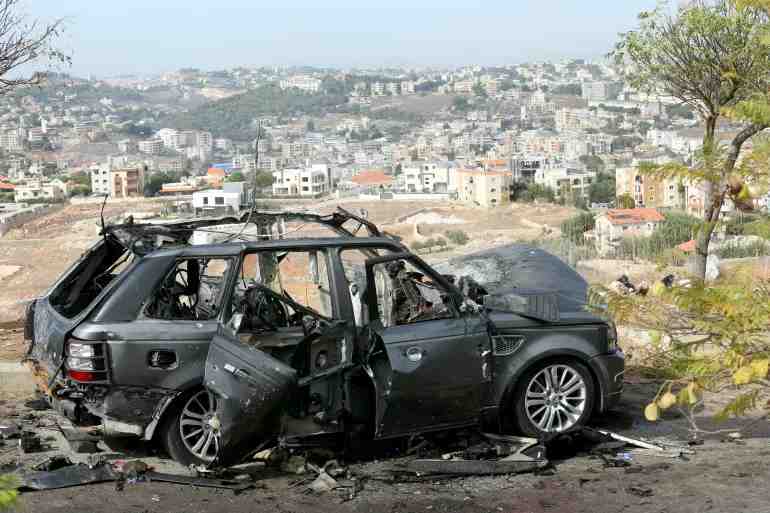
Spoljaric highlighted the growing human cost of hostilities, pointing to deaths, injuries, displacement and destruction, as well as damage to civilian infrastructure across the region.
She warned that a further intensification of military operations could expose millions more people to harm and worsen the conditions of communities already affected by conflict.
Protecting Civilians and Essential Infrastructure
Spoljaric stressed that parties must protect civilians and civilian infrastructure during armed conflicts, reminding them of their obligations under international humanitarian law.
“Civilians and civilian objects must be spared from attack,” she said, emphasizing the requirement to distinguish between civilians, civilian objects and military targets.
The ICRC president also warned that attacks affecting essential infrastructure, including ports and airports, could have severe consequences for communities that rely on these facilities.
Damage to such infrastructure can disrupt the movement of people and goods and affect access to essential supplies and services. Communities dependent on these facilities may face additional difficulties when critical infrastructure is damaged or rendered inoperable.
The ICRC stressed the importance of preventing further harm to civilians and limiting the consequences of military operations on the services and infrastructure communities depend on.
Urgent Call for De-escalation
Spoljaric warned that an expansion of hostilities could have far-reaching humanitarian consequences, affecting tens of millions of people across the Middle East.
“A further intensification of hostilities would be disastrous for tens of millions of people,” she said.
She called for urgent efforts to de-escalate the situation and protect civilians from further harm.
The ICRC reiterated the importance of respecting international humanitarian law, including the rules requiring parties to armed conflicts to distinguish between civilian and military targets and to spare civilians and civilian objects from attack.
The organization also highlighted the risks associated with attacks on essential infrastructure, which can have consequences extending beyond the immediate area of hostilities.
The warning underscores the need for immediate action to prevent further civilian casualties, reduce damage to critical infrastructure, and limit the humanitarian impact of escalating hostilities across the region.