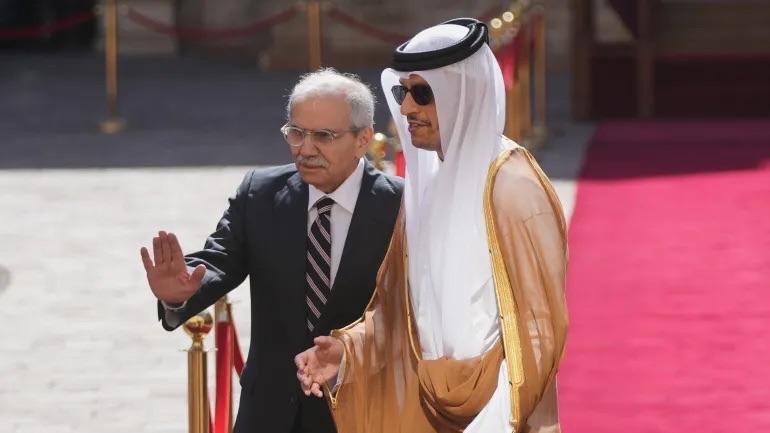
LEBANON - Qatar has announced plans to establish a major solar power plant in Lebanon as part of efforts to address the country’s prolonged electricity crisis, following talks between Qatari Prime Minister Sheikh Mohammed bin Abdulrahman bin Jassim Al Thani and Lebanese Prime Minister Nawaf Salam in Beirut.
Energy Cooperation
After meeting PM Salam on Friday, Sheikh Mohammed said the two countries agreed to establish a framework for energy cooperation and identify viable solutions to Lebanon’s electricity challenges.
QatarEnergy has agreed with French energy company TotalEnergies to jointly develop a solar power plant in Lebanon as an initial project under the initiative.
Sheikh Mohammed said the broader objective was to develop a major investment project that would benefit the Lebanese economy, as well as the Qatari companies and entities involved.
Prime Minister Salam said he would present the plans for Lebanon’s electricity sector to the Lebanese Cabinet soon.
He added that Qatar would finance, implement and activate the solar project without imposing costs on the Lebanese state, describing the arrangement as particularly important given the country’s financial crisis.
Lebanon’s Electricity Challenges
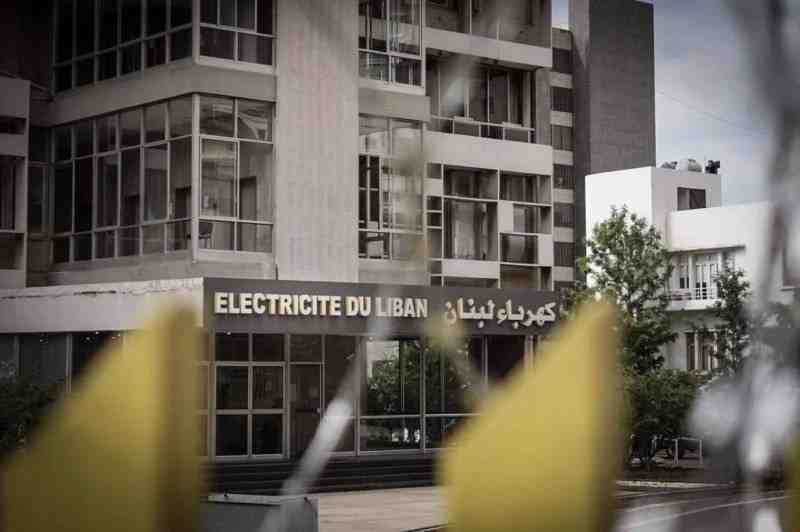
Lebanon has faced chronic electricity shortages for decades, with the state-owned electricity company, Electricité du Liban (EDL), struggling with mounting debt, outdated infrastructure and operational difficulties.
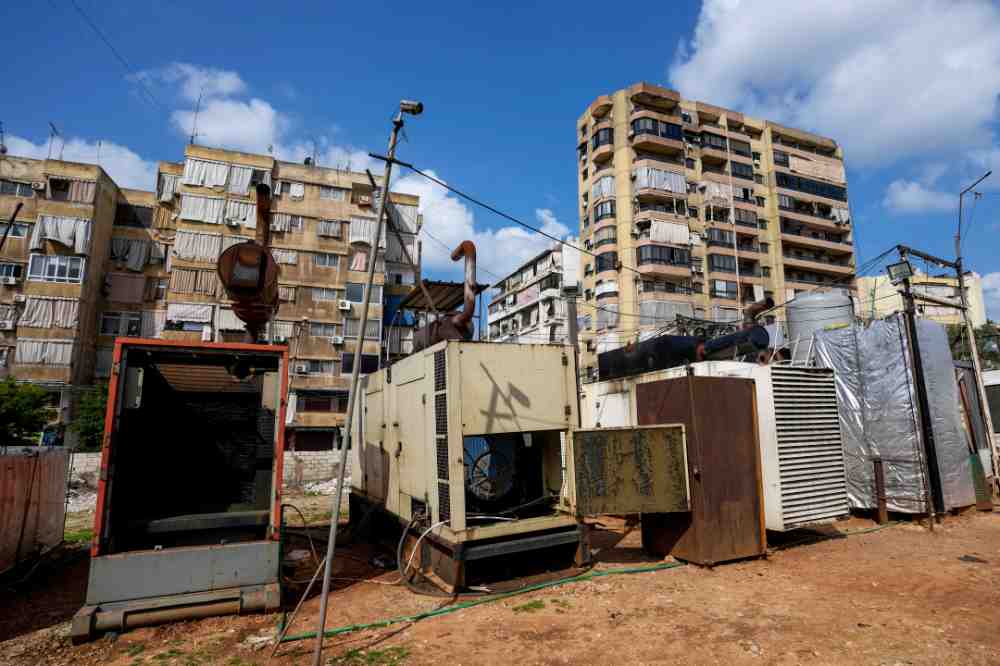
The company has accumulated approximately $40 billion in losses and debt over several decades, while providing households with only a limited daily electricity supply. Many residents and businesses have consequently relied on private generators to meet their energy needs.
The electricity crisis has been compounded by Lebanon’s financial collapse, which began in 2019 and severely constrained the government’s ability to fund essential public services and infrastructure.
The proposed solar power plant could support efforts to diversify the country’s energy sources and reduce reliance on conventional fuel-based electricity generation. However, further details about the project’s capacity, location, implementation timeline, and expected contribution to electricity supply have not yet been announced.
Prime Minister Salam thanked Qatar for its continued support during what he described as some of Lebanon’s darkest hours, as the country seeks to address its economic, infrastructure and energy challenges.