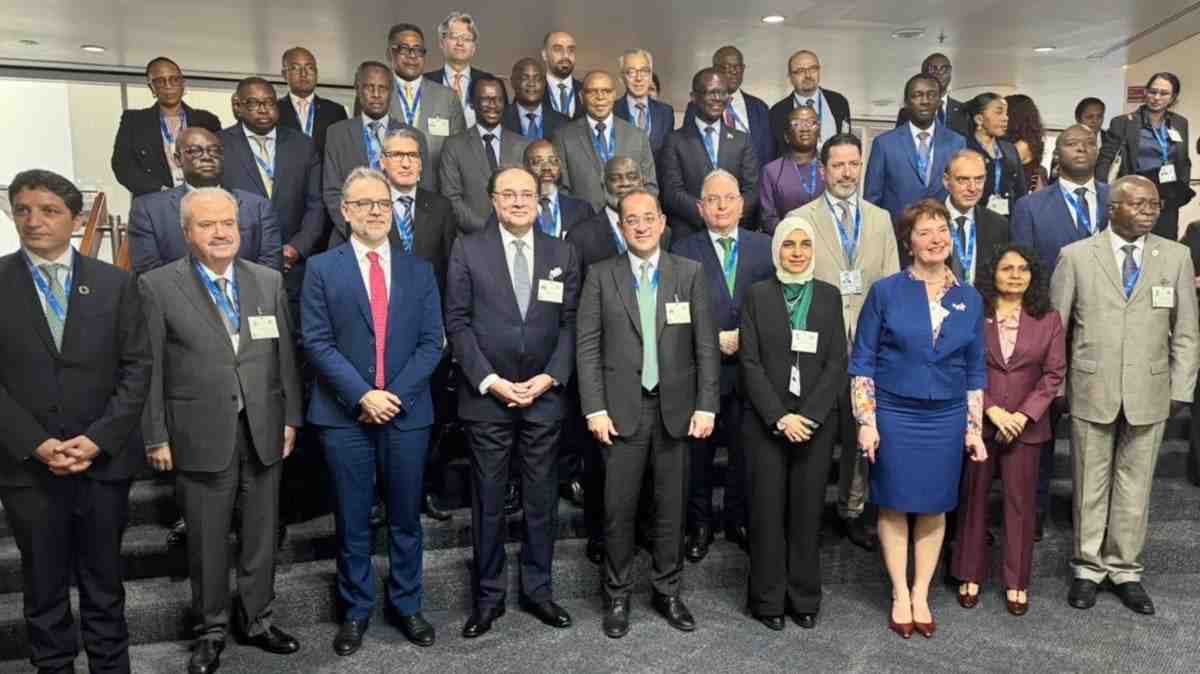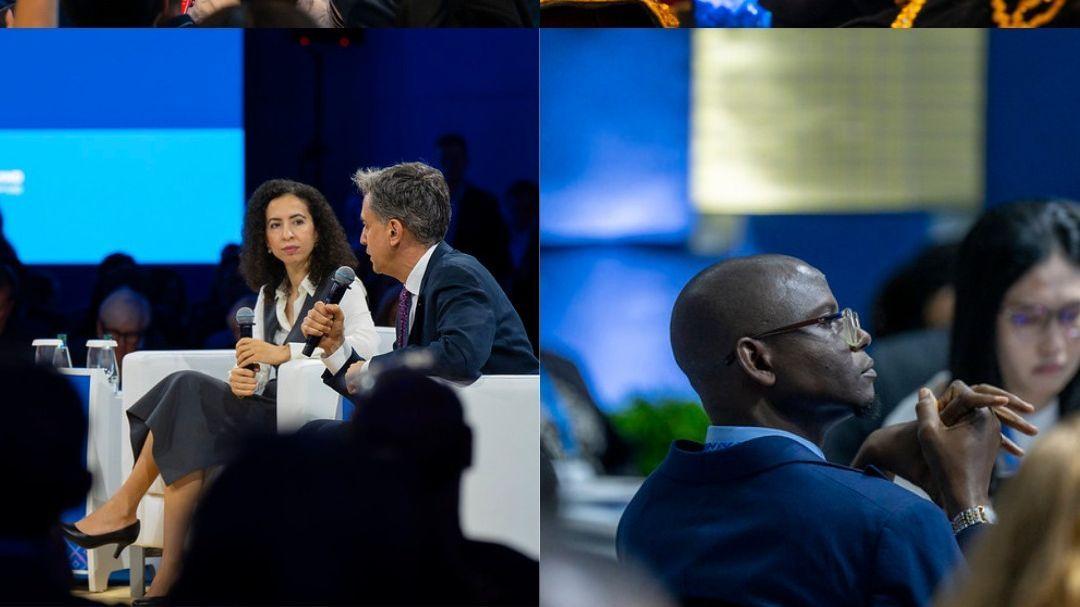
Bangkok – The World Bank Group highlighted job creation, private investment, artificial intelligence, and support for small businesses during its 2026 Annual Meetings, held in Bangkok, Thailand, from October 12 to 18, bringing together global financial leaders to discuss priorities shaping development.
In his address to the Annual Meetings plenary, World Bank Group President Ajay Banga outlined a development model that combines public finance, private investment, philanthropy, and technology to help countries turn economic opportunities into jobs. The address also featured the priorities of the International Monetary Fund’s Managing Director.
The meetings also highlighted efforts to mobilise private capital for emerging markets. According to the World Bank Group, the institution mobilised a record $112 billion in private capital and $25 billion in guarantees during fiscal year 2026. These efforts aim to attract investment into infrastructure, support employment, and promote sustainable economic growth.
Artificial intelligence was another key topic, with discussions focusing on how accessible AI tools could improve essential services and address everyday challenges. The World Bank Group emphasised the importance of connectivity, digital infrastructure, and skills development to help countries benefit from AI while managing its associated risks.
Support for micro, small, and medium-sized enterprises (MSMEs) also featured prominently. The World Bank Group introduced a new strategy aimed at helping these businesses access financing, reach new markets, and create jobs through data and digital technologies.
The meetings also included a Civil Society Town Hall, where Banga met with civil society representatives to discuss job creation, development financing, and the role of civil society in shaping development priorities.
The discussions reflect the World Bank Group’s focus on linking development finance with private investment, technological innovation, and employment opportunities. For developing economies, including those in the Arab region, these priorities raise questions about how investment and digital transformation can translate into sustainable growth, better services, and improved livelihoods.