LEBANON – Lebanon’s economy showed signs of improvement during the summer, despite ongoing security concerns and the prolonged financial crisis, according to Bank Audi’s third-quarter 2026 economic report.
The bank’s research department said economic and financial activity improved slightly in the third quarter following a difficult second quarter marked by renewed conflict. However, uncertainty surrounding security conditions and negotiations continued to weigh on economic activity.
Airport Arrivals Show Signs of Recovery
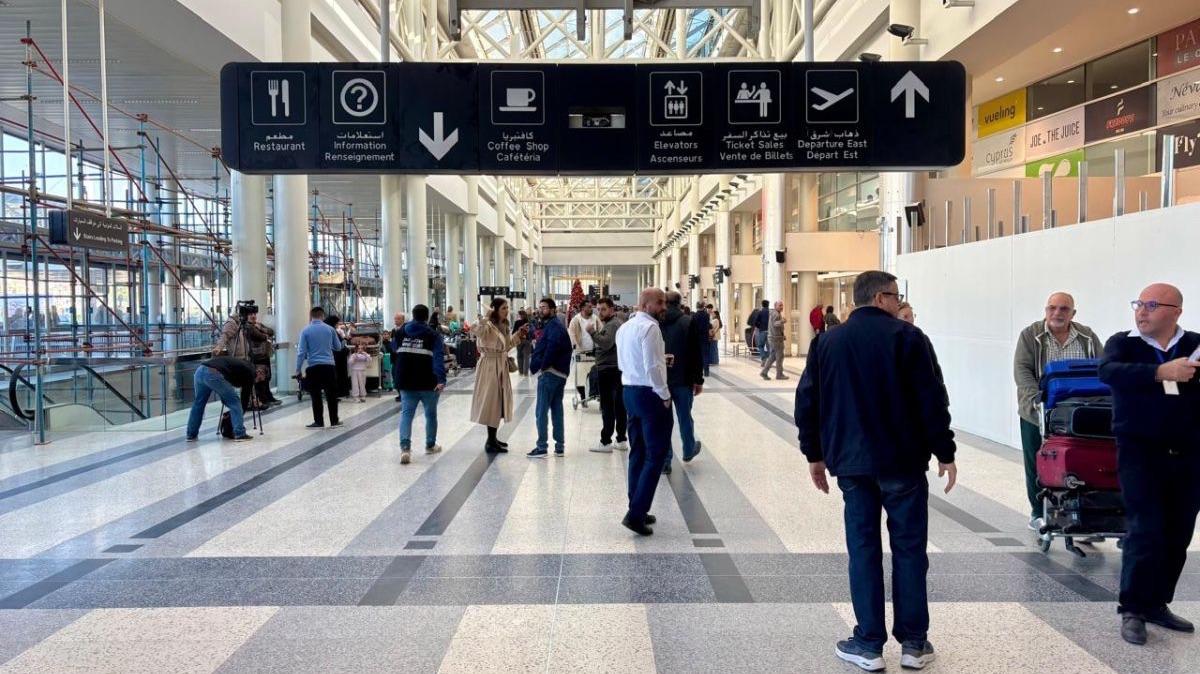
Passenger arrivals at Beirut–Rafic Hariri International Airport declined by 5.8% year-on-year in the third quarter of 2026, compared with a 44.4% drop in the second quarter, according to the report.
The improvement coincided with the United Arab Emirates lifting its travel restrictions on visitors to Lebanon and Saudi Arabia lifting its ban on Lebanese exports.
Despite the summer recovery, arrivals during the first nine months of 2026 remained 23.8% below the same period in 2025. Total airport passenger traffic also fell by 21.6% year-on-year over the period.
The figures indicate that tourism and transport activity improved during the summer but remained below previous-year levels.
GDP Forecast Points to Continued Contraction
The World Bank and the Lebanese government forecast that the economy will contract by 6.4% in 2026. The World Bank attributed the projected decline to renewed conflict that disrupted the recovery recorded in 2025.
Lebanon’s economy had expanded by an estimated 4.2% in 2025, marking its strongest annual growth since the financial crisis began in 2019. However, the escalation of conflict in March 2026 weakened economic activity, disrupted supply chains and affected tourism and domestic demand.
Meanwhile, BLOM Bank’s Purchasing Managers’ Index (PMI) rose to 50.5 in September from 50.1 in August. A reading above 50 indicates an expansion in private-sector business activity, suggesting a modest improvement in operating conditions despite continued regional uncertainty.
Fresh Dollar Deposits Increase
Bank Audi reported that fresh deposits in Lebanese banks increased by an average of $144 million per month during 2026, exceeding $5.6 billion in August.
The monthly average was higher than the $107 million recorded in 2025 and the $33 million reported in 2024, according to the report.
The bank also noted that Lebanese government bond prices rose from 24 cents per dollar in June to 30 cents in September, an increase of 25%. The rise coincided with legislative developments that supported investor demand for Lebanese securities, although trading volumes remained modest.
Bank Audi said the country’s economic outlook will depend partly on security developments, progress on reforms and international support for recovery