LEBANON – The impact of Israeli attacks on Lebanon has extended beyond the destruction of homes and infrastructure to affect livestock and agricultural land, threatening agricultural production and food security across the country.
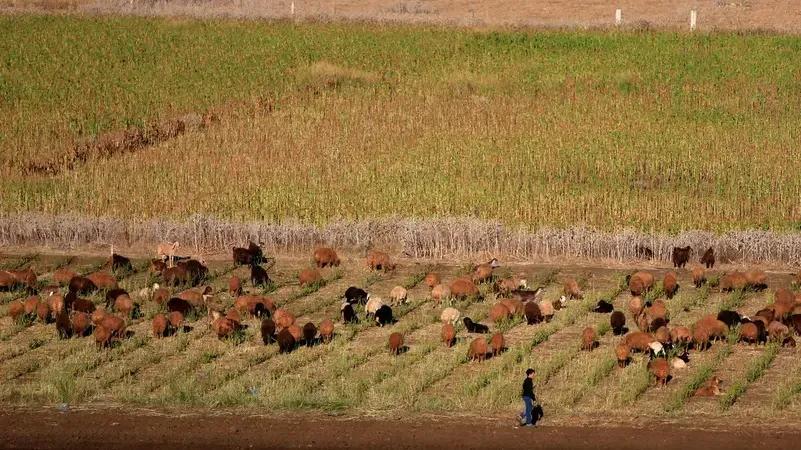
In an interview with Anadolu Agency published on November 2, 2026, Lebanese Agriculture Minister Nizar Hani said that approximately 70% of livestock in southern Lebanon had been affected by the war, while Lebanon had lost more than 30,000 beehives.
Hani explained that agricultural damage had affected approximately 56,000 hectares, equivalent to 560,000 dunums, of agricultural land across Lebanon. Most of the affected areas are concentrated in the South and Nabatieh governorates, where approximately 52,000 hectares were damaged, compared with 4,000 hectares in Baalbek-Hermel.
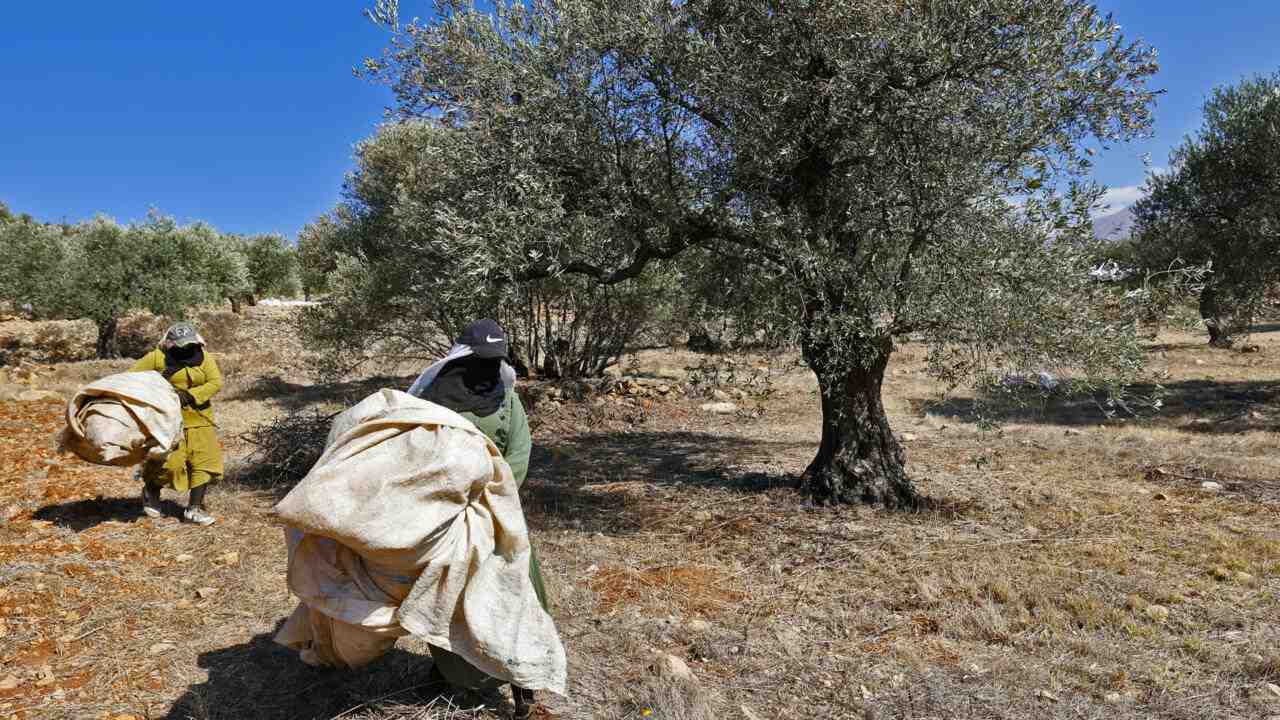
The minister noted that the damage included approximately 24,000 hectares of olive-growing land, while 750 hectares of agricultural land had been rendered unusable as a result of bulldozing, uprooting, and the removal of olive trees.
Regarding environmental consequences, Hani confirmed the use of white phosphorus and the spraying of glyphosate herbicide by Israel in border areas, particularly forested lands. He warned that assessing the environmental and agricultural impacts remains difficult as specialized teams are unable to access several areas that remain under occupation to conduct further testing.
He added that the Ministry of Agriculture intends to collect new samples of soil, crops, and water as soon as access to affected areas becomes possible, in order to assess the extent of the environmental and agricultural damage caused by the war.
These losses raise concerns over long-term repercussions for agricultural production and the rural economy, particularly in southern Lebanon, one of the country's major agricultural regions.