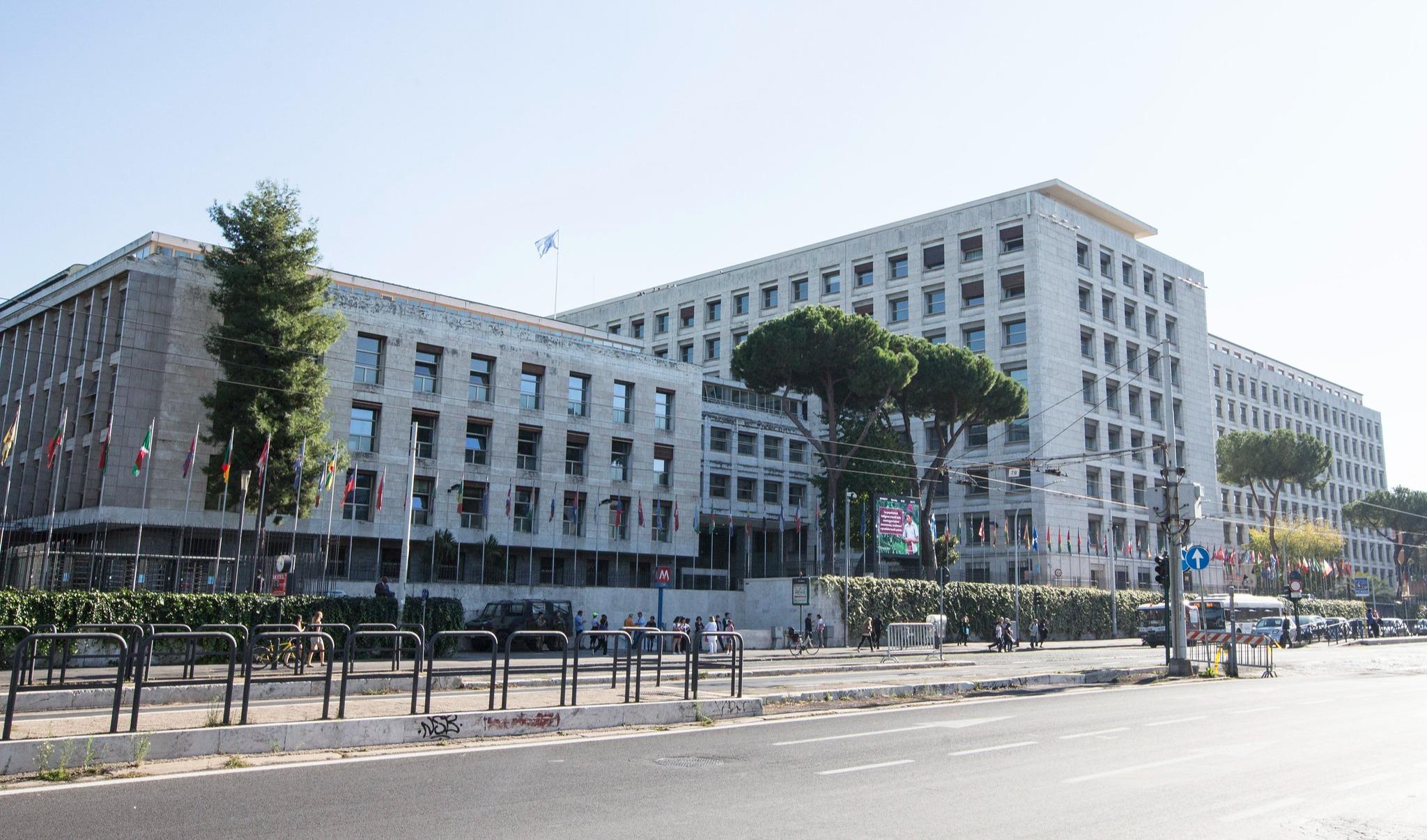
LEBANON - Lebanon participated in the 38th session of the Near East Regional Conference at the headquarters of the Food and Agriculture Organization (FAO) in Rome.
The conference brought together agriculture ministers and policymakers from across the region at a critical juncture for food security.
Lebanon was represented by Agriculture Minister Nizar Hani, alongside Ambassador Clara Jabbour and advisor Fadi Ghanem. The Lebanese delegation used the platform to highlight the mounting pressures on the country’s agricultural sector amid ongoing economic strain, conflict spillovers, and displacement.
Minister Hani underscored that agriculture in Lebanon is no longer merely an economic sector but a pillar of national resilience and social stability.
He revealed that the proportion of people in need of urgent food assistance has risen from 18% to 24%, driven by conflict and the displacement of nearly one million people, almost a quarter of the population.
The minister also outlined the scale of damage to the sector, noting that approximately 22% of agricultural land has been affected, particularly in southern Lebanon, a key hub for fruit and citrus production. Losses to agriculture and food security were estimated at $1 billion by the end of 2024, with further deterioration expected.
He called for increased international support and stronger partnerships, particularly with the Food and Agriculture Organization (FAO), to help sustain the agricultural sector.
In this context, he outlined the key pillars of the National Agricultural Strategy 2026–2035:
Strengthening governance and partnerships, and modernizing institutional and digital frameworks
Empowering farmers and fishermen and improving their livelihoods
Promoting sustainable management of natural resources through nature-based solutions
Developing agricultural value chains and enhancing their competitiveness in the recovery phase
Upgrading infrastructure and irrigation systems to improve adaptation to climate change
Beyond production, environmental degradation has compounded the crisis, affecting forests, water resources, and soil, damage that could take years to reverse.