



LEBANON – The United Nations Office for the Coordination of Humanitarian Affairs (OCHA) has warned that the humanitarian situation in Lebanon remains critical, despite the extension of the ceasefire for an additional three weeks, as security and humanitarian challenges persist on the ground.
According to the report issued on 25 April, around one million people remain displaced across the country, as conditions for safe return have yet to be established. Reports of shelling, airstrikes, and restrictions on civilian movement continue.
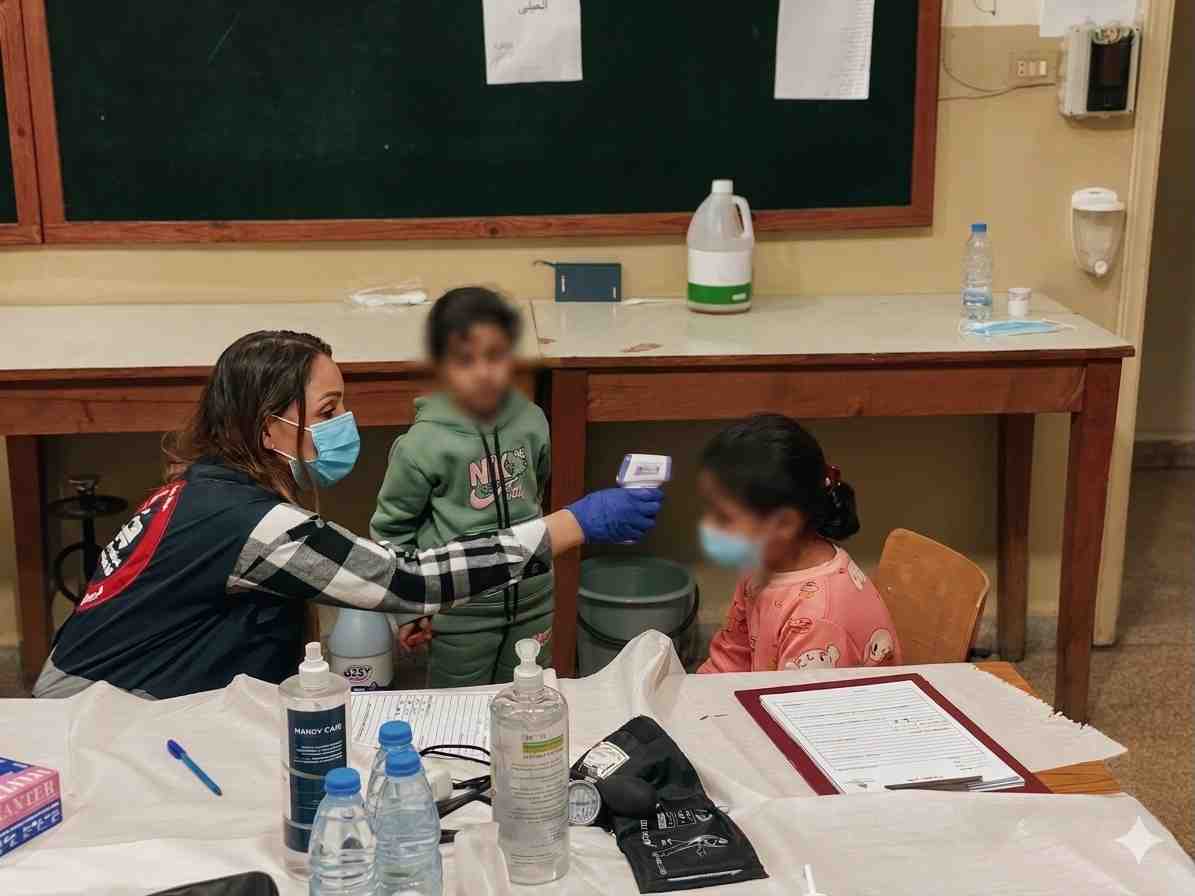
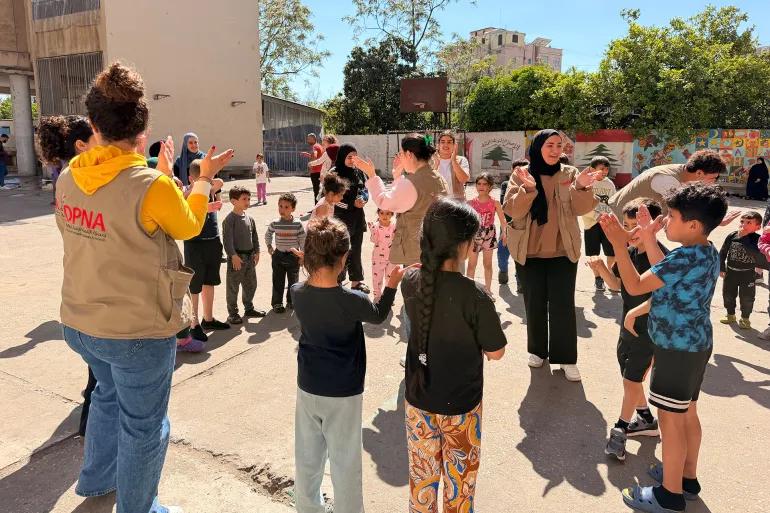
A slight 3% increase in the number of displaced people in collective shelters was recorded, reaching 121,225 as of 23 April. Population movements remain unstable, with families attempting to return despite widespread destruction and ongoing security risks.
The report notes that the protection environment remains “highly fragile,” due to overcrowded shelters, limited access to basic services, and increased risks of exploitation, particularly through soaring rental costs.
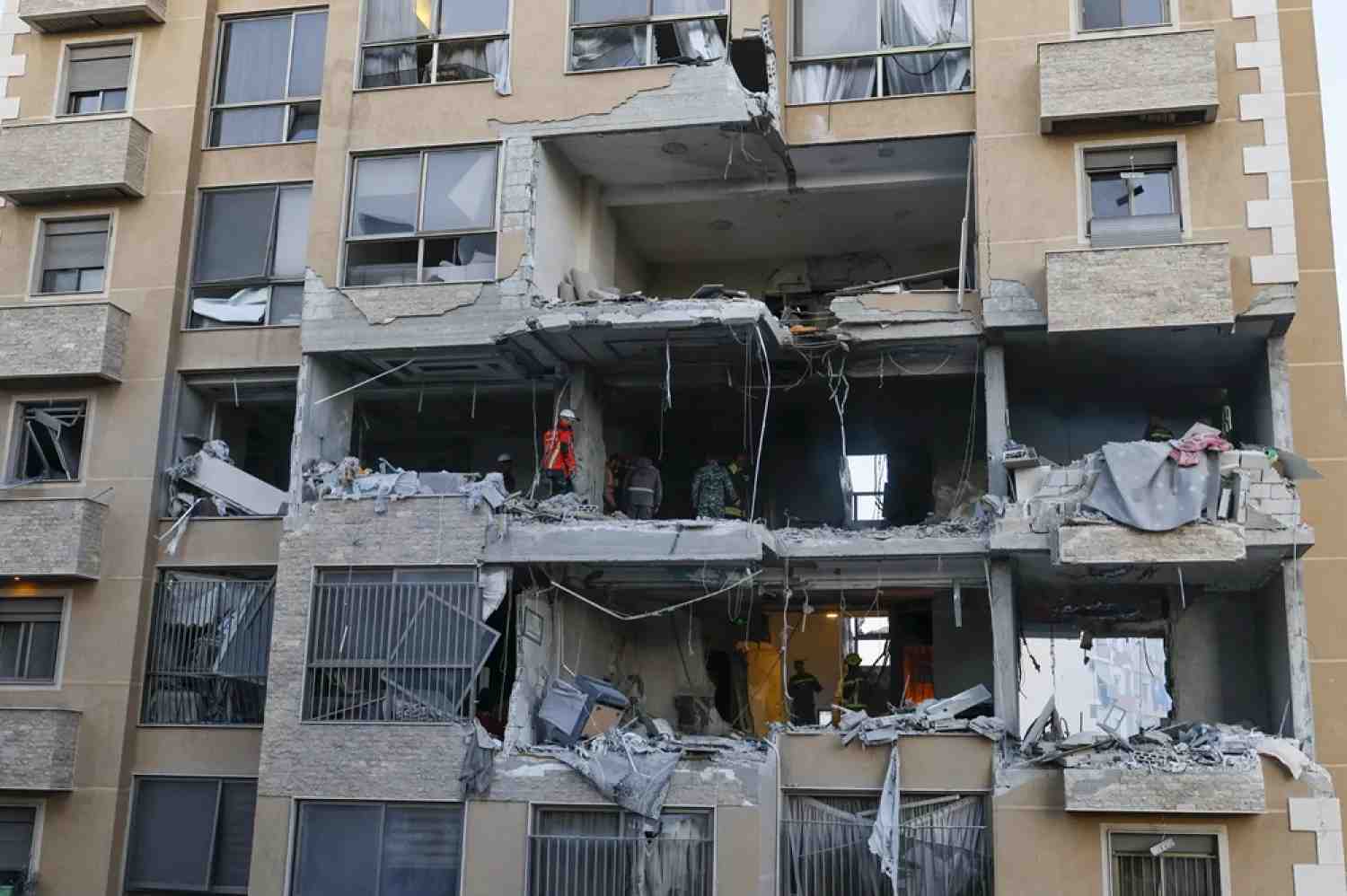
On the services front, the escalation has severely disrupted infrastructure, with six hospitals and 51 primary healthcare centers still out of service due to damage. More than 147 attacks on healthcare facilities have been documented since early March.
Food prices have risen by at least 6%, further straining the already weakened purchasing power of vulnerable populations.
In terms of infrastructure, key bridges across the Litani River have been damaged, hindering movement and humanitarian access between regions, despite partial repairs to the Qasmiya bridge.
Funding for the emergency response plan has reached 33%, equivalent to $102.9 million, while nearly 500,000 people have received multipurpose cash assistance to date.
The report warns that the situation is likely to remain volatile in the coming weeks, with humanitarian needs continuing to rise across Lebanon.