LEBANON - Nearly one fifth of children in Lebanon, around 380,000 are expected to face crisis-level hunger or worse between April and August 2026, according to an analysis by Save the Children based on new data from the Integrated Food Security Phase Classification, the world’s leading authority on hunger crises.
The IPC projects that about a quarter of Lebanon’s population — 1.24 million people — will experience crisis-level food insecurity or worse in the coming months, marking a sharp deterioration since hostilities escalated in March.
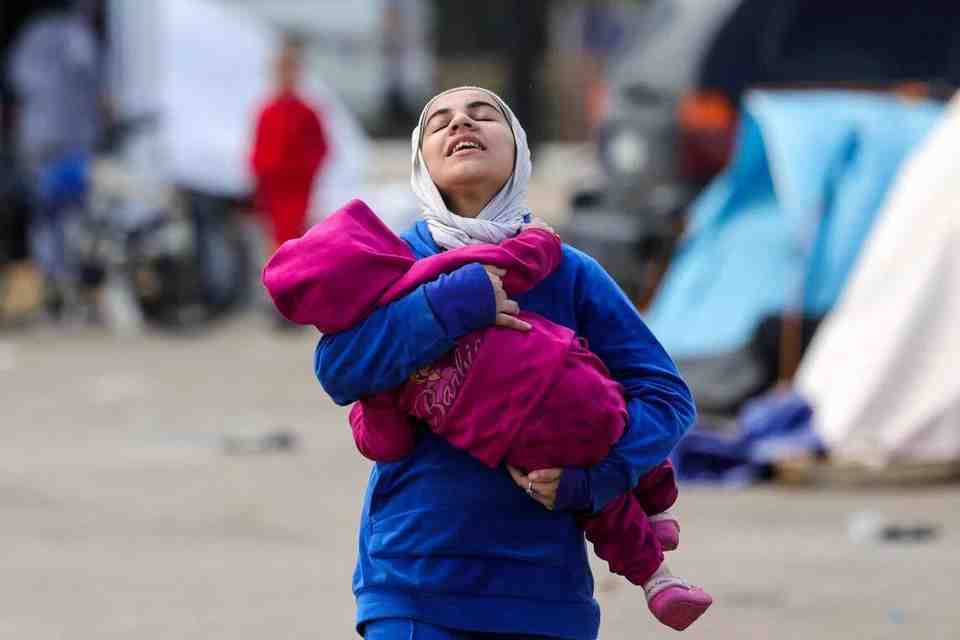
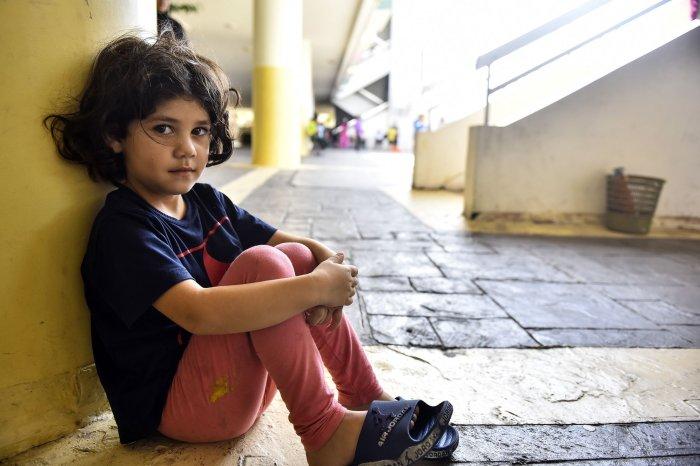
The latest figures indicate that an additional 366,000 people, including 113,000 children, have been pushed into crisis-level hunger as a result of the conflict. The escalation has displaced more than one million people, disrupted livelihoods and supply chains, and driven food prices beyond the reach of many families.
On the ground, Save the Children is responding by distributing ready-to-eat food parcels, including canned goods such as beans, vegetables and fish, to families in need.
The organization is calling on the international community to urgently push for a permanent ceasefire and increase flexible, sustainable funding to meet the basic needs of children and families and support recovery efforts.
Nora Ingdal, Save the Children’s Lebanon Country Director, warned that the situation is rapidly worsening.
“The findings of this report are incredibly worrying. Children in Lebanon are being pushed deeper into hunger by renewed conflict and mass displacement. Families who were already struggling are now finding food completely out of reach, with prices soaring and livelihoods disrupted. This is a devastating reality for children whose health, development and survival are all at risk,” she said.
Ingdal added: “We have seen this play out in Gaza, and we cannot allow the same horrors to be repeated in Lebanon. Children have been through enough. Without a permanent ceasefire and urgent action to scale up humanitarian assistance, children will continue to pay the highest price for a crisis they did not create”.