LEBANON – The UN World Food Programme (WFP) has warned that Lebanon is facing a deepening humanitarian emergency nearly three months after the outbreak of the conflict, driven by a sharp rise in displacement and worsening food insecurity.
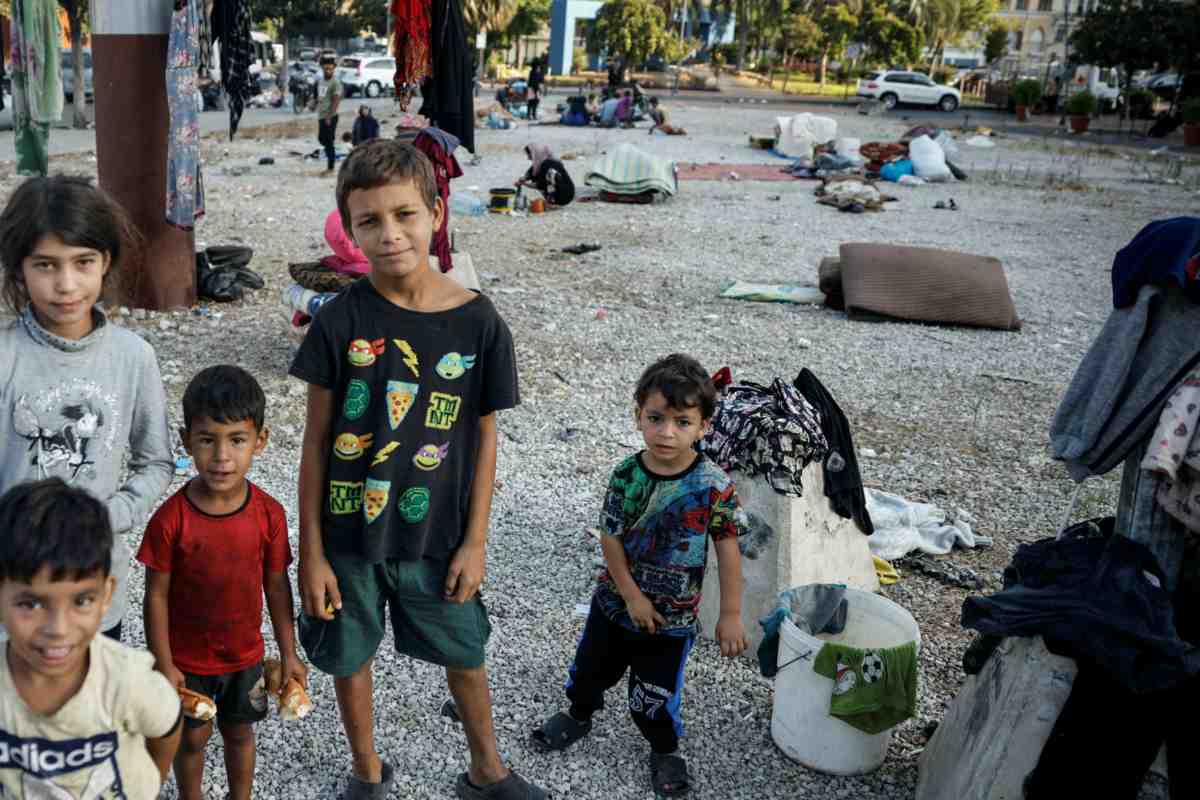
More than one million people remain displaced, while high prices, loss of income, and market pressures are making food increasingly unaffordable for vulnerable households.
Rapid Humanitarian Response
The programme said it has significantly scaled up its response across the country, but stressed that the situation remains extremely fragile. It highlighted the need for continued humanitarian access, stable supply chains, and predictable funding to sustain assistance efforts.
Since 2 March, WFP has reached more than 700,000 people across Lebanon through emergency food and cash assistance.
On a daily basis, around 150,000 people have been supported since the escalation began, receiving hot meals, ready-to-eat rations, and food baskets in displacement shelters.
Access Challenges and Convoys
Ongoing conflict, including daily shelling and evacuation orders, continues to restrict humanitarian access and drive further displacement.
These conditions have also disrupted aid delivery, particularly in hard-to-reach areas.
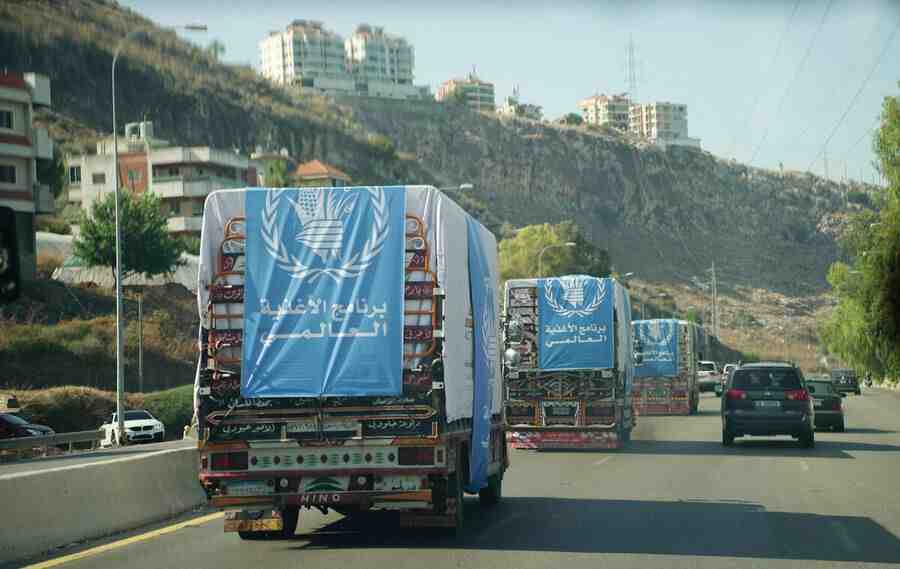
A total of 24 humanitarian convoys have been sent to southern Lebanon, including border villages, Tyre, and Hermel.
However, more than 50% of requested convoys were delayed or cancelled due to security and movement restrictions.
Cash and Food Assistance
Current support includes emergency cash assistance for around half a million Lebanese through national systems, as well as assistance for more than 100,000 Syrian refugees.
Since the start of the emergency, around five million hot meals have been distributed, prioritizing newly displaced families with limited resources.
The programme has also supported more than 215,000 displaced people across over 500 shelters, and around 85,500 people in host communities and hard-to-reach areas.
Wheat Shipment and Logistics Support
To help stabilize food supplies, a 250-metric-ton wheat flour shipment recently entered Lebanon via the humanitarian corridor with Jordan, in coordination with Lebanese and Jordanian authorities.
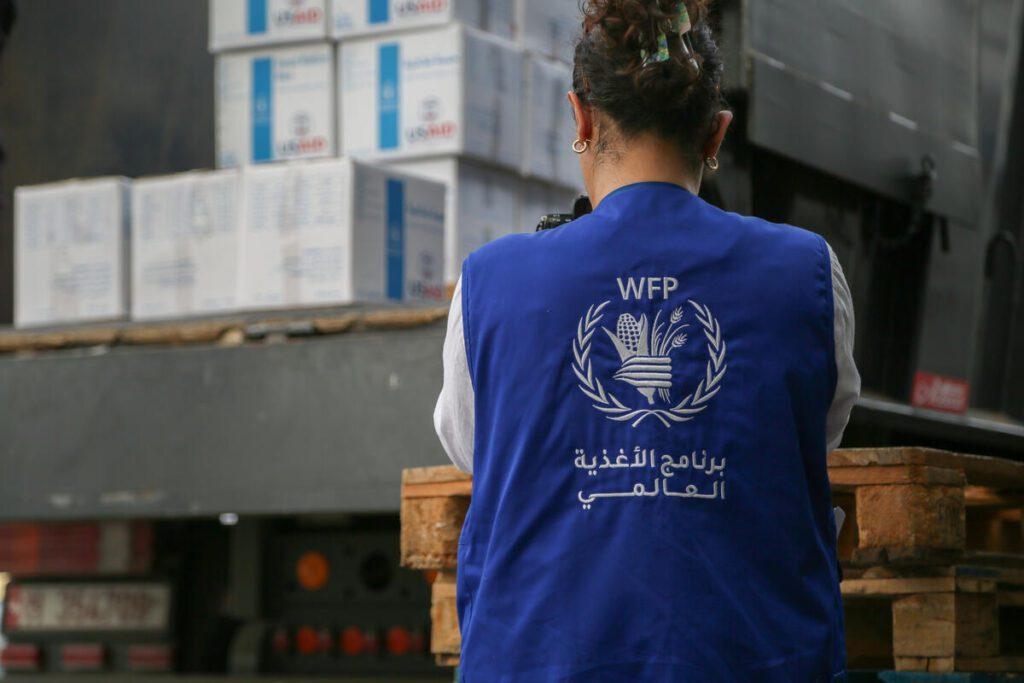
The logistics cluster led by WFP has supported 64 partner organizations, including UN agencies and NGOs, helping transport around 2,500 cubic meters of aid.
Severe Food Security Decline
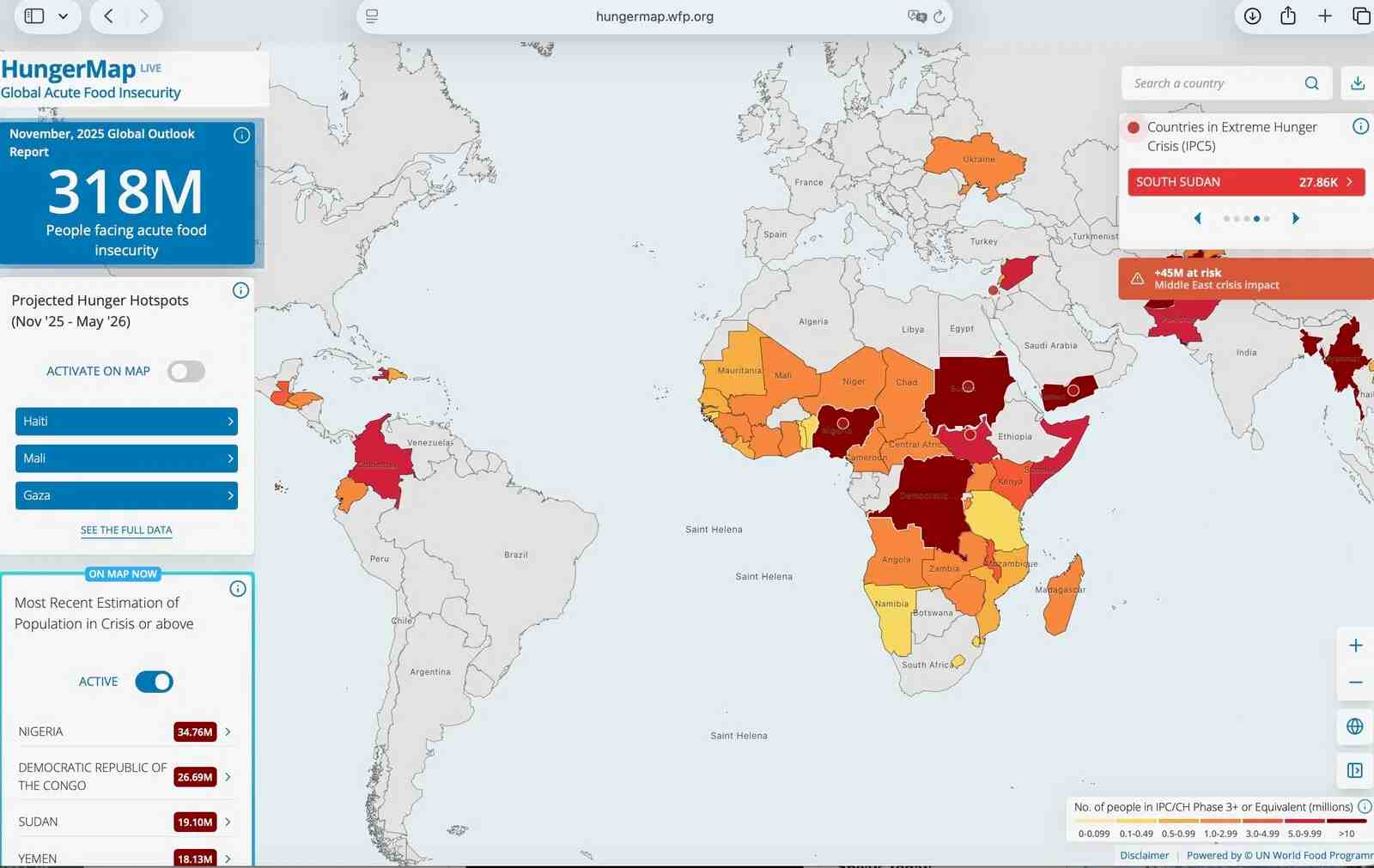
The latest analysis shows that 1.24 million people—around one in four—are facing acute food insecurity (IPC Phase 3 or worse) between April and August 2026.
This deterioration is driven by displacement, rising food and fuel prices, market disruptions, and wider economic pressures.
While food is still available in many areas, affordability has sharply declined, with vegetable prices rising by more than 20% and bread prices by around 15%.
More than 80% of markets in South Lebanon and Nabatieh are no longer functioning, while markets in Beirut and other regions remain open but under significant strain.
Urgent Funding Needs
WFP said it requires US$112 million for the period May–August 2026, averaging US$44.1 million per month, to continue life-saving assistance.
Without sufficient and predictable funding, its ability to maintain emergency food and cash support for vulnerable households in Lebanon will be at risk.