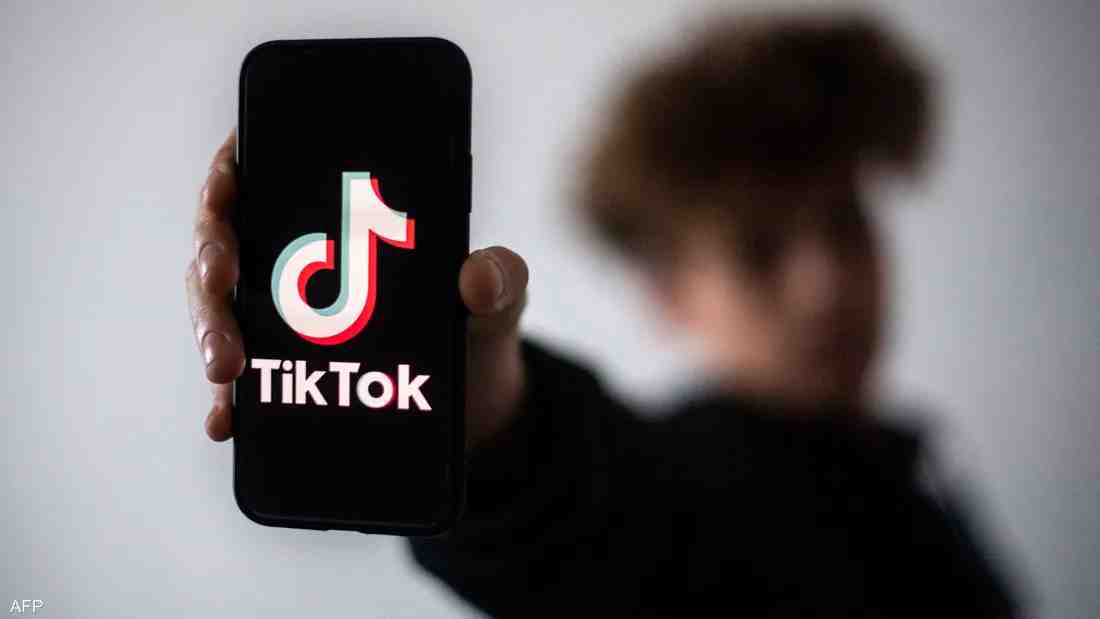




LEBANON - In Spring of 2025 the now-famous “Alo, Pilates. Matcha” took Lebanon by a storm, what started as a simple TikTok voiceover became a massive trend, overtaking marketing campaigns and becoming a cultural phenomenon in its own. But what is “Alo, Pilates, Matcha” really about?
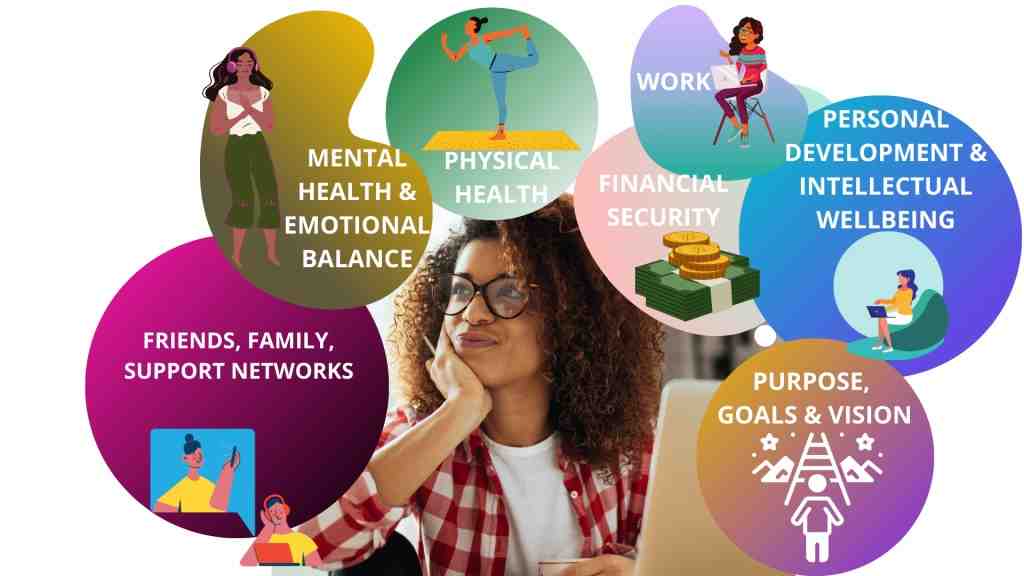
At its core, this trend is based on wellness culture, first coined in 1950s by Dr Halbert L. Dunn. Author of “High Level Wellness” a concept which he describes as “a condition of change in which the individual moves forward, climbing toward a higher potential of functioning.
The wellness culture continued to grow well into the 70’s, becoming linked to lifestyle, prevention, balance, and quality of life.
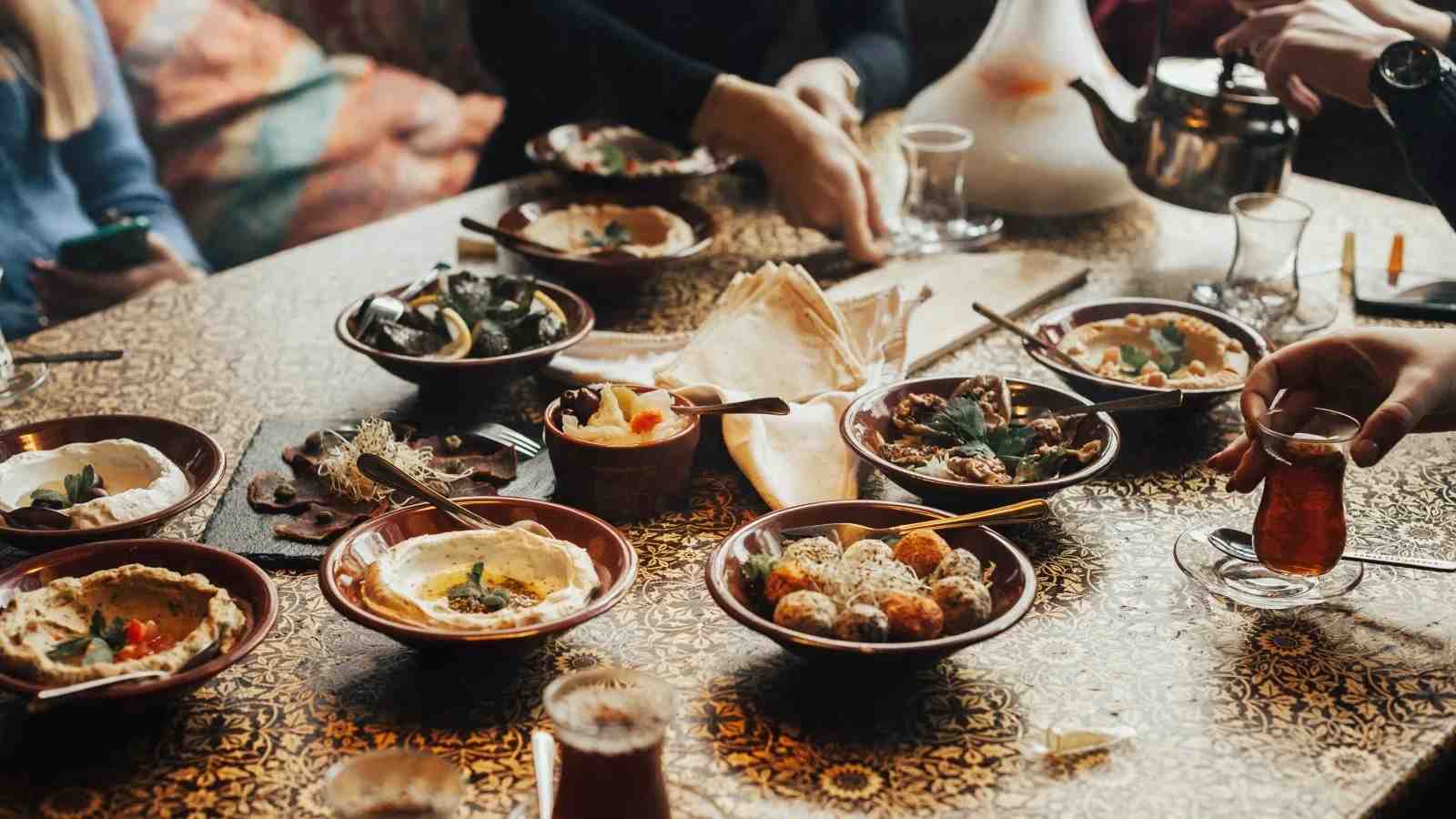
In Lebanon, more or less, wellness has always been part of the culture. Traditions that center around sharing meals with loved ones, having coffee with neighbors, and maintaining community spaces. Wellness was not always something we bought. It was something we experienced.
Today, that meaning has shifted. Wellness is increasingly packaged as a lifestyle: Pilates classes, yoga studios, padel courts, luxury athleisure, expensive smoothies, and green juices with names that sound healthier than our bank accounts feel.
But what is the reality? Wellness is long becoming an inaccessible to many, becoming a thing for those who are privileged enough to enjoy.
According to Numbeo, the average gym membership in Lebanon is 63.53$ while the average monthly salary is 650$, making up almost 10% of the entire salary an expense many cannot afford.
Lebanon’s cities often make everyday wellness harder than it should be. Sidewalks are broken or blocked. Public gardens exist, but many are neglected, poorly maintained, or not always accessible.
Green space is limited, especially in dense urban areas. Similarly, costal space is being eroded with only 20% of the coast remaining open, free and accessible.
So where does that leave people who cannot afford a private gym, a paid beach, or a tennis court? It leaves them with fewer options. It turns wellness into something you pay for, rather than something communities can create together.
How can we reclaim wellness?
To reclaim wellness, we must shift our understanding of it. Wellness is rooted in the connections we make and the communities we sustain. Lebanon does not need to import every wellness trend to become healthier. In many ways, we already have the ingredients.
1. Bring wellness back to public spaces
If wellness is about movement, connection, and mental well-being, then public spaces matter.
A small garden, a public beach, or even a safe sidewalk can become part of a healthier city. These spaces do not need to be perfect to be useful. They need to be open, safe, shaded, clean, and welcoming.
Municipalities, civil society groups, universities, and youth initiatives can play a role here. Free walking clubs, weekend yoga in public gardens, cycling days, community clean-ups, and neighborhood sports activities can turn underused spaces into living spaces.
Public spaces help people meet, breathe, move, and feel less isolated. In a country where stress has become part of daily life, these spaces are not decorative. They are public health infrastructure.
2. Rebuild wellness as community, not performance
One of the biggest problems with modern wellness culture is that it can become performative. But real wellness is quieter than that. It is sleeping better, walking more, eating food that nourishes you and feeling safe in your neighborhood. Having access to clean air, public space, affordable activities, and supportive communities.
In Lebanon, where people are carrying the weight of economic pressure, political uncertainty, and daily instability, wellness cannot be reduced to personal discipline. It must also be about collective care.
This means asking bigger questions. Are our neighborhoods walkable? Are our public gardens maintained? Can young people access sports without paying high fees? Are beaches treated as public rights or private privileges? Do women, children, older people, and people with disabilities feel safe in public spaces?
Reclaiming wellness means moving away from the idea that health is only an individual responsibility. It is also shaped by policy, urban planning, culture, and access.