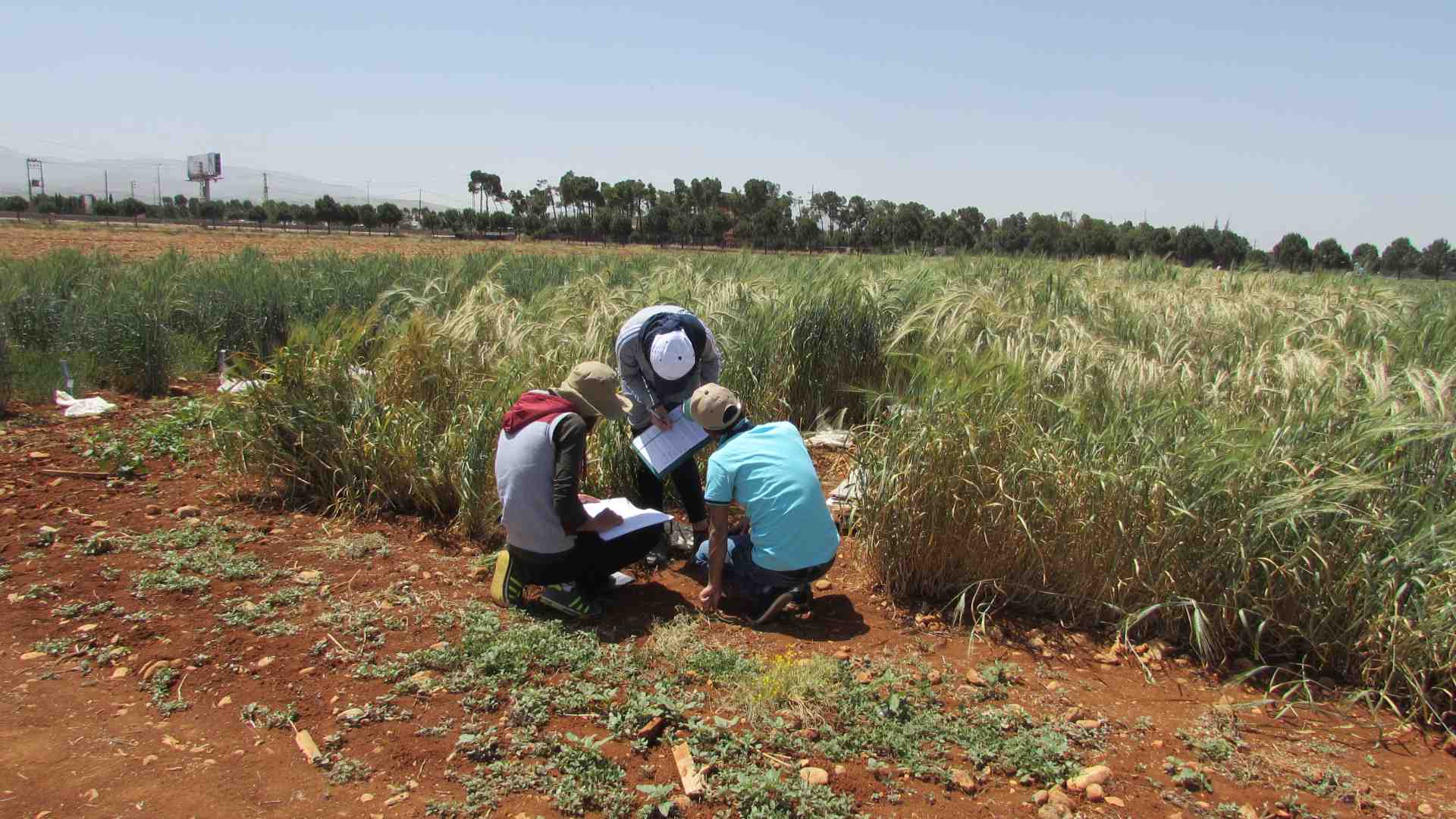
LEBANON - Lebanon outlined its agenda for agricultural reform and regional cooperation during the 39th General Assembly of the Arab Organization for Agricultural Development (AOAD), highlighting water management, food security, agricultural innovation, and support for farmers as key priorities.
Representing Agriculture Minister Nizar Hani, Chief of Staff Samer Al-Khond presented Lebanon’s proposals to address mounting challenges facing the agricultural sector across the Arab world, including climate change, water scarcity, supply chain disruptions and rising production costs.
Water Governance and Climate Resilience
Water management emerged as one of Lebanon’s top priorities during the meeting.
Al-Khond warned that Lebanon, historically known for its abundant water resources, is increasingly suffering from the effects of climate change and drought.
He called for wider adoption of smart irrigation systems, expanded water-harvesting projects and greater use of renewable energy, particularly solar power, in agricultural water pumping.
Lebanon aims to reduce agricultural water losses by at least 20 percent in the coming years through incentives designed to encourage farmers to adopt more efficient practices.
Technology, Innovation, and Seed Sovereignty
Lebanon also emphasized the role of technology in strengthening food security and agricultural resilience.
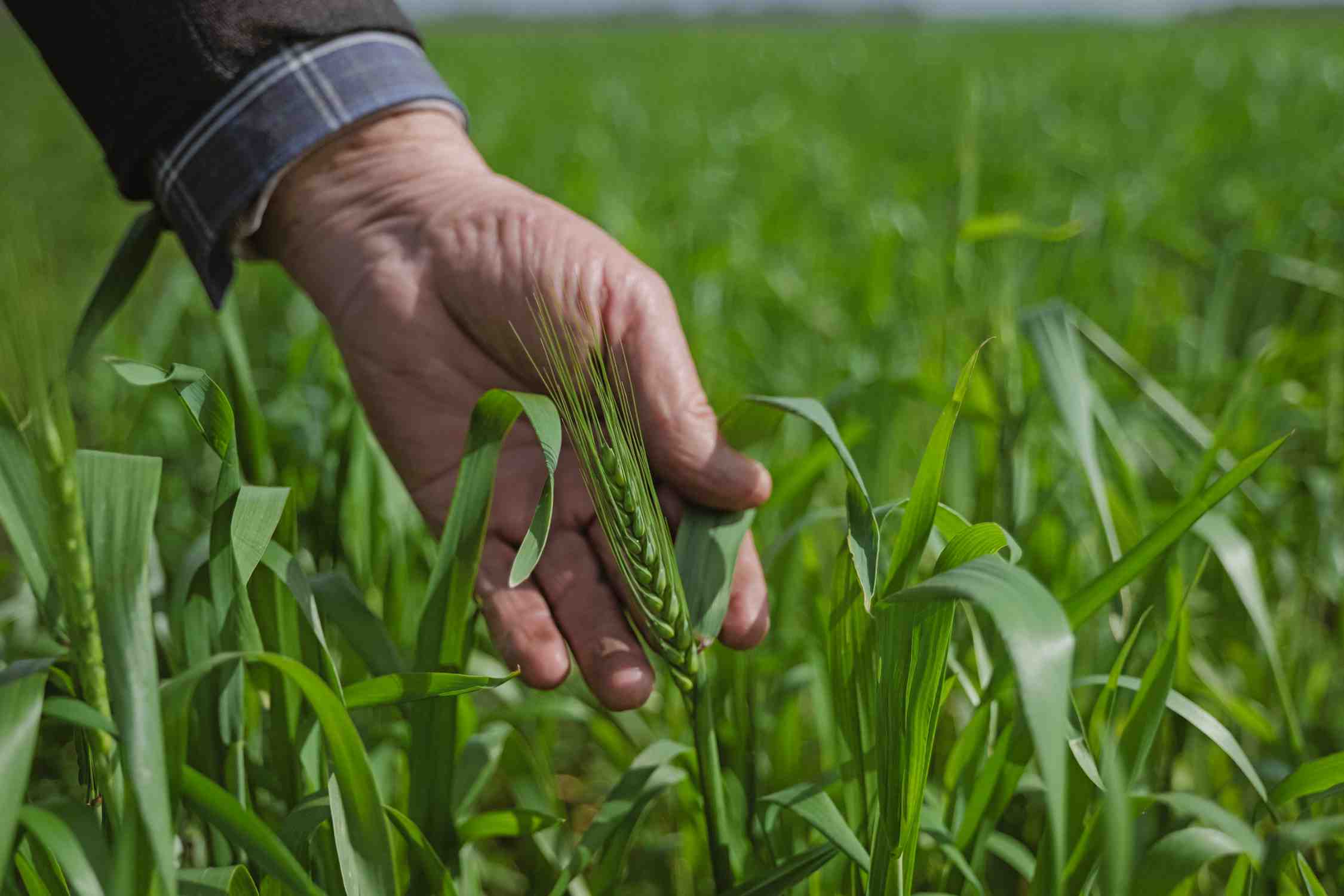
The country proposed launching a regional initiative focused on developing climate-adapted seeds capable of withstanding higher temperatures and increased soil salinity.
It also called for stronger support for agricultural research centers and digital advisory platforms that provide farmers with timely technical guidance and information.
The proposal aligns with broader regional efforts to integrate digital technologies and innovation into agricultural production systems.
Green Corridors for Agricultural Trade
To improve the movement of agricultural products across Arab markets, Lebanon advocated for the creation of “green corridors.”
The initiative would seek to streamline customs procedures, harmonize standards among Arab countries, and expand investment in cold-chain logistics and transportation infrastructure.
According to Al-Khond, reducing post-harvest losses and improving supply chains would help lower food prices for consumers while increasing returns for farmers.
Strengthening Support for Farmers
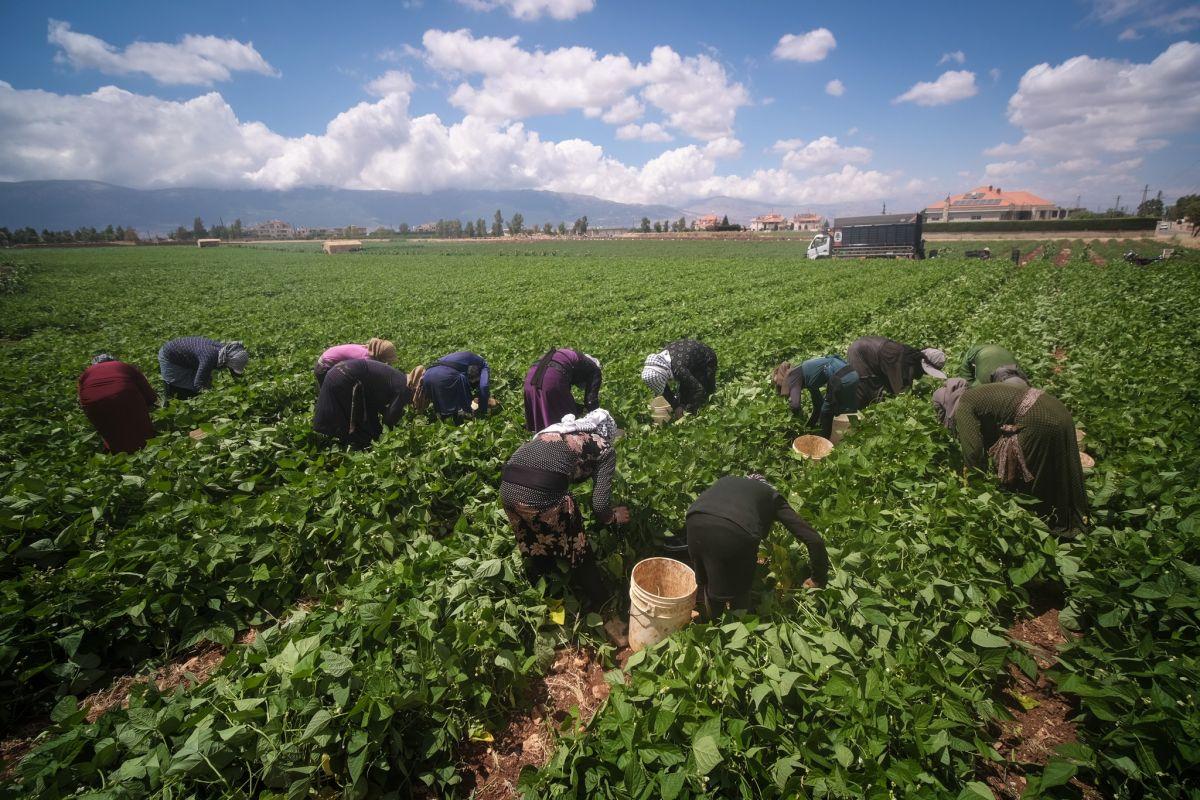
Lebanon called for expanded financial support mechanisms for agricultural producers, particularly small-scale farmers who are often the most vulnerable to economic and climate-related shocks.
The proposal includes wider access to green microfinance programs and agricultural insurance schemes designed to protect farmers from losses. Lebanon also stressed the importance of supporting larger producers to maintain stable production and ensure the continuous supply of agricultural products to markets.
Launching the Arab Office for Agricultural Entrepreneurship
A major Lebanese priority was securing support for the activation of the Arab Office for Agricultural Entrepreneurship, which Lebanon is set to host.
Al-Khond said the Lebanese government has completed all legal and administrative requirements necessary to establish the office and urged member states to accelerate its launch.
The office is expected to promote agricultural innovation, entrepreneurship and regional cooperation in addressing food security challenges.
Recovery of Lebanon’s Agricultural Sector
Lebanon also used the meeting to draw attention to the challenges facing its agricultural sector amid ongoing economic and security pressures.
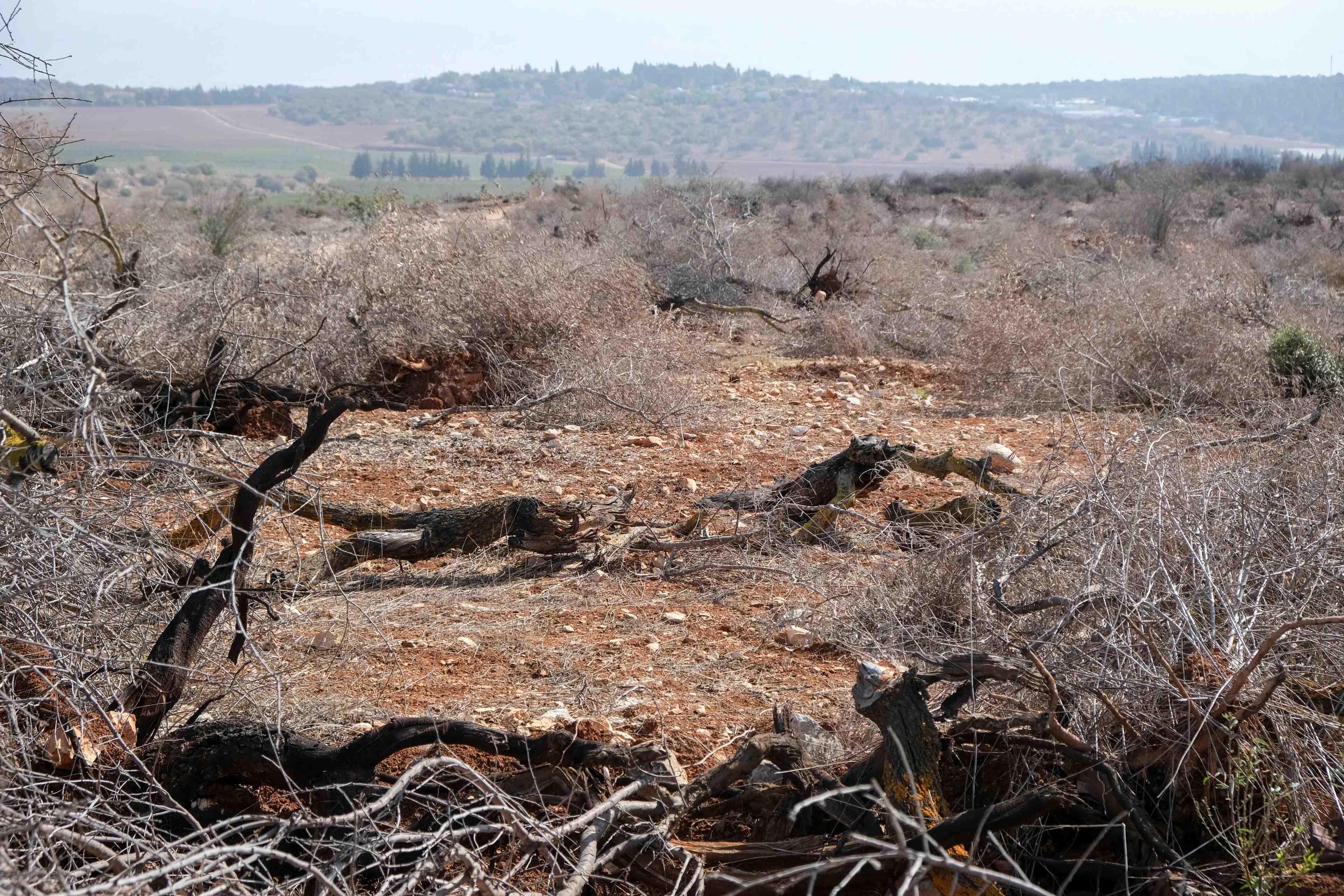
Al-Khond said recent security incidents have damaged around 25 percent of the country’s agricultural land, affecting production and threatening livelihoods in rural areas.
In response, Lebanon appealed for increased technical and field support from the Arab Organization for Agricultural Development and requested consideration of exemptions from accumulated financial contributions, as well as a reduction in annual membership fees.
Regional Cooperation and Food Security
Looking ahead, Lebanon proposed a series of regional initiatives, including a unified Arab agricultural and climate data platform, a program to reduce food waste by at least 10 percent, stronger farmer associations, wider adoption of modern farming technologies and the creation of an Arab agricultural safety network for emergencies.
The proposals underscore Lebanon’s push for greater Arab cooperation on food security and climate resilience at a time when agricultural systems across the region face growing environmental and economic pressures.