LEBANON - Crisis-level food insecurity is expected to persist across several Lebanese regions through January 2027, despite an overall decline in hostilities, as weak livelihood recovery, high living costs, and continued insecurity limit households’ ability to meet basic needs, according to a September 2026 update by the Famine Early Warning Systems Network (FEWS NET).
Crisis Conditions Persist Across Six Areas
FEWS NET projects Crisis (IPC Phase 3) outcomes across Akkar, Baalbek-El Hermel, Bekaa, Beirut, South and El-Nabatieh through January. Most areas of North and Mount Lebanon are expected to remain in Stressed (IPC Phase 2) conditions.
In southern Lebanon, continued military activity, displacement and insecurity-related disruptions are limiting access to normal food and income sources. In other parts of the country, reduced hostilities have eased some market disruptions, but poor households continue to struggle with basic food needs because of limited income opportunities, slow livelihood recovery and high food and non-food costs.
Markets remain generally supplied, while Lebanon’s 2026 cereal harvest was near average following favorable seasonal conditions. However, households remain heavily dependent on market purchases and imported food supplies.
Damage Continues to Affect Livelihoods
FEWS NET said continued military activity are slowing recovery in southern Lebanon and parts of the Bekaa. Israeli military activity increased in August and September after declining sharply following the June ceasefire framework agreement.
As of September 10, hostilities had resulted in 4,383 civilian deaths and approximately 12,400 injuries since the escalation began, according to the report.
Damage to housing, public infrastructure and productive assets continues to restrict income-generating opportunities. Explosive remnants of war and unexploded ordnance also limit safe access to agricultural land, grazing areas and rural infrastructure in parts of South and El-Nabatieh.
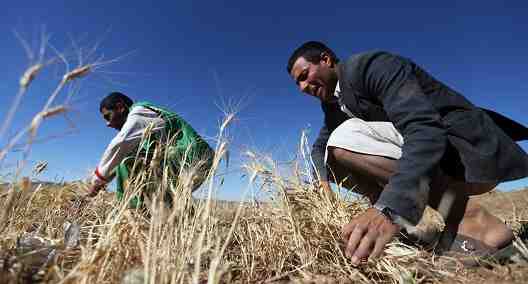
Around 72 percent of farmers, primarily in southern Lebanon, reported income losses and reduced production linked to insecurity-related disruptions. Many farming and livestock-dependent households have therefore been unable to resume their usual livelihoods.
Returns Increase, but Displacement Continues
Displacement has gradually declined as households return to their areas of origin, but damaged infrastructure, insecurity and limited livelihood opportunities continue to prevent sustainable resettlement.
As of September 15, approximately 864,680 people had returned to their areas of origin, while 341,228 people remained internally displaced, including 16,536 people living in collective shelters.
Most internally displaced people were concentrated in Beirut and the South’s Saida and Sour districts. FEWS NET said 94 percent of IDPs originated from five districts, including Bent Jbeil, Marjaayoun, Nabatieh, Sour and Baabda.
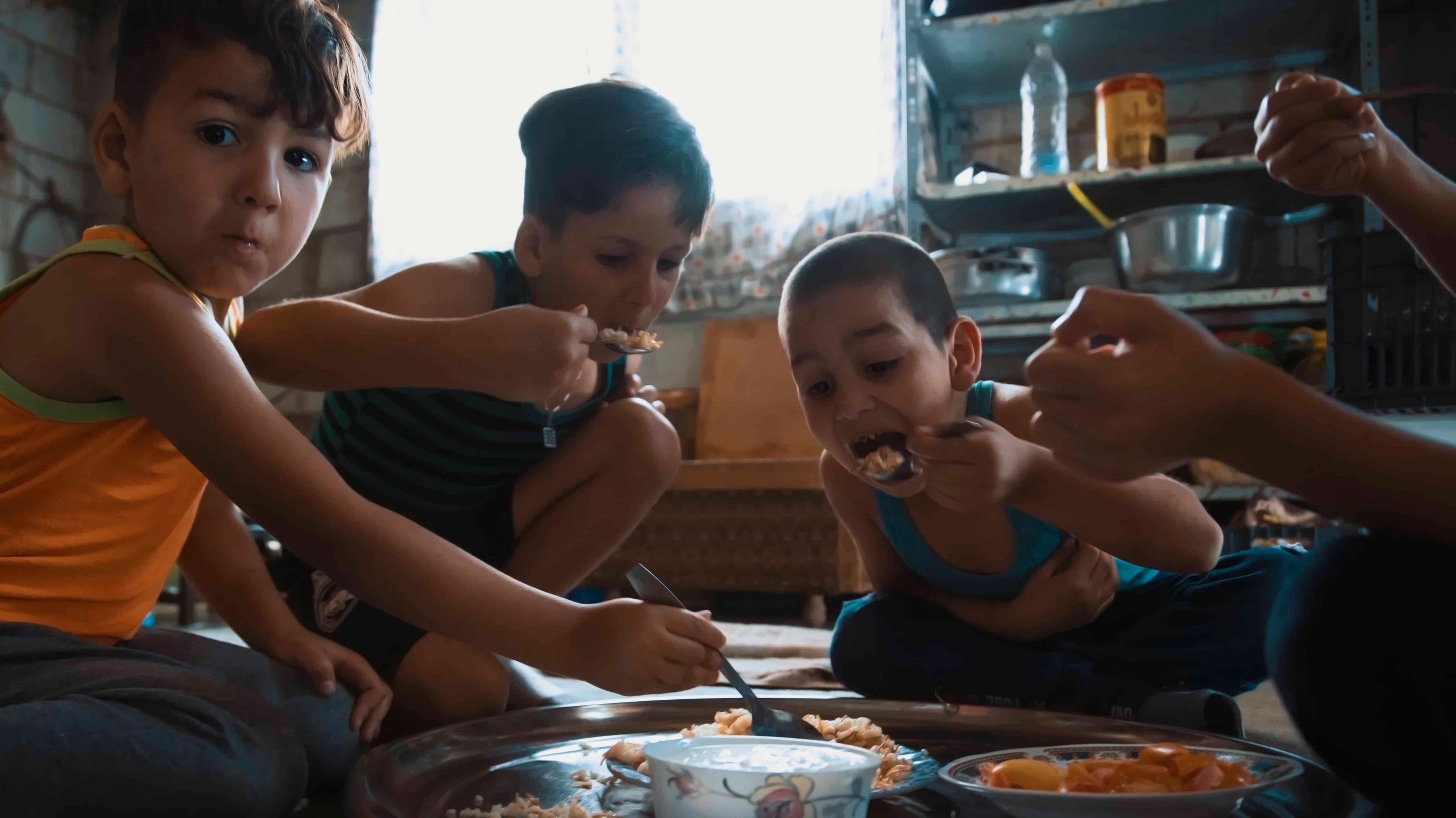
Many returnees continue to face damaged homes, disrupted basic services and limited employment opportunities, leaving some displaced households dependent on humanitarian assistance, debt and social networks to meet food needs.
High Costs Continue to Pressure Households
Household purchasing power remains under pressure despite a recent easing in inflation.
Annual headline inflation fell by around 9 percent month-on-month in July, but remained close to 16 percent, while food inflation stood at approximately 14 percent. The national Survival Minimum Expenditure Basket remained 11 percent above July 2025 levels, including a 13 percent increase in food costs.
Fuel prices rose about 15 percent between August 21 and September 25, while bread prices rose about 7 percent month-on-month in September and remained 23 percent above pre-escalation levels.
Humanitarian Assistance Faces Funding Gaps
Food assistance continued in September, with humanitarian partners prioritizing returnees, internally displaced people and host communities.
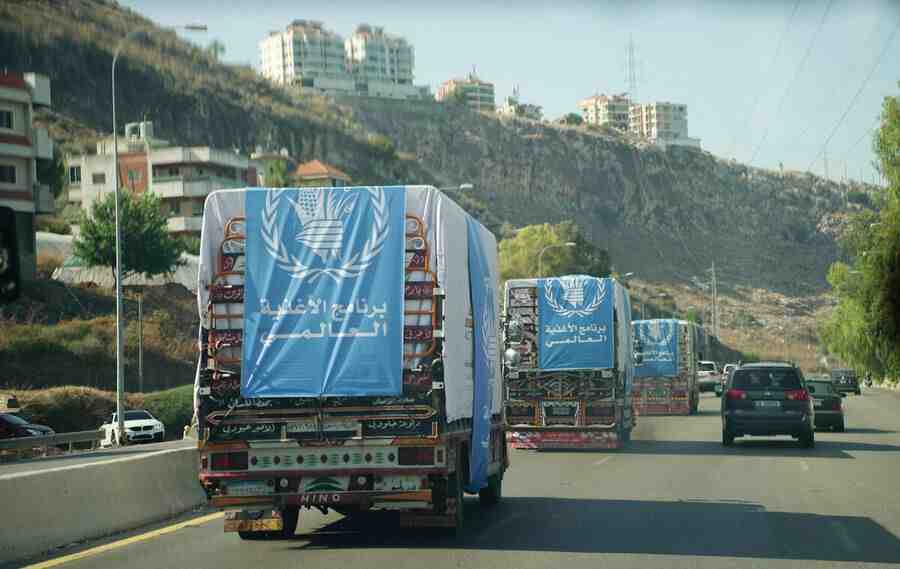
In August, the World Food Programme reached approximately 715,900 people with food assistance and supported community kitchens providing an estimated 4,500 hot meals per day.
However, insecurity, damaged infrastructure, and movement restrictions continue to affect humanitarian access. FEWS NET reported that 84.4 percent of assisted households monitored in July and August were still unable to meet more than half of their additional basic needs despite receiving cash assistance.
After the March-August 2026 Lebanon Flash Appeal concluded, the UN launched an addendum to the 2026 Lebanon Response Plan for September-December. FEWS NET said funding shortfalls are expected to continue limiting response capacity while humanitarian needs remain elevated.