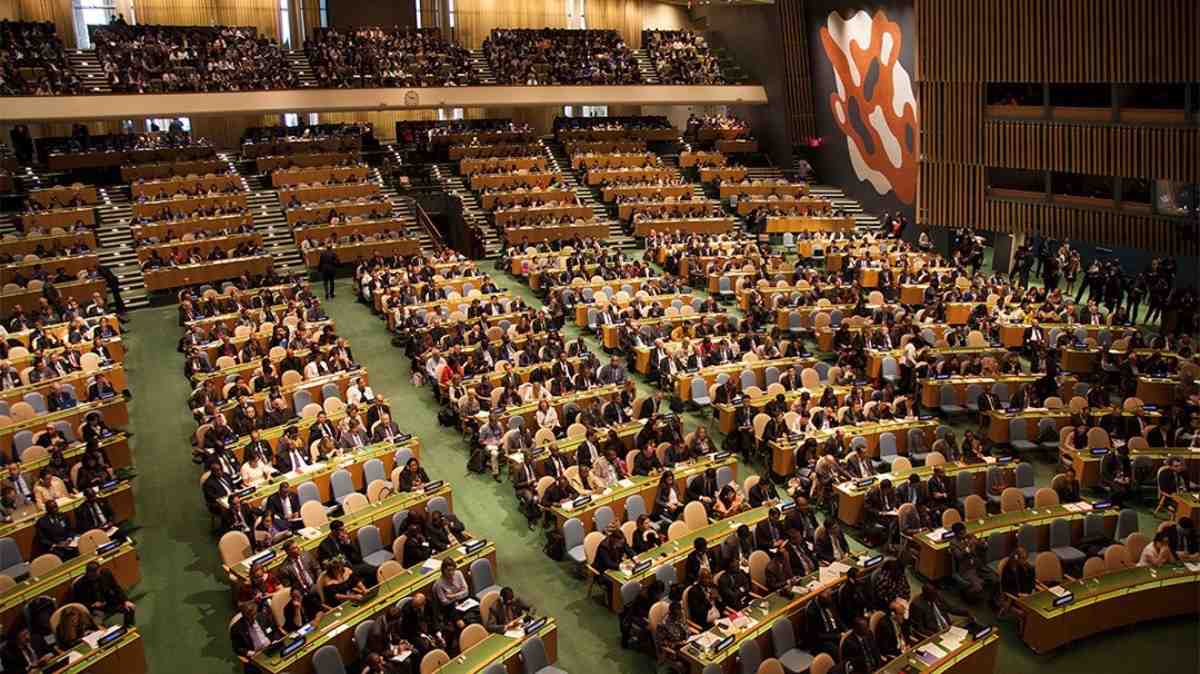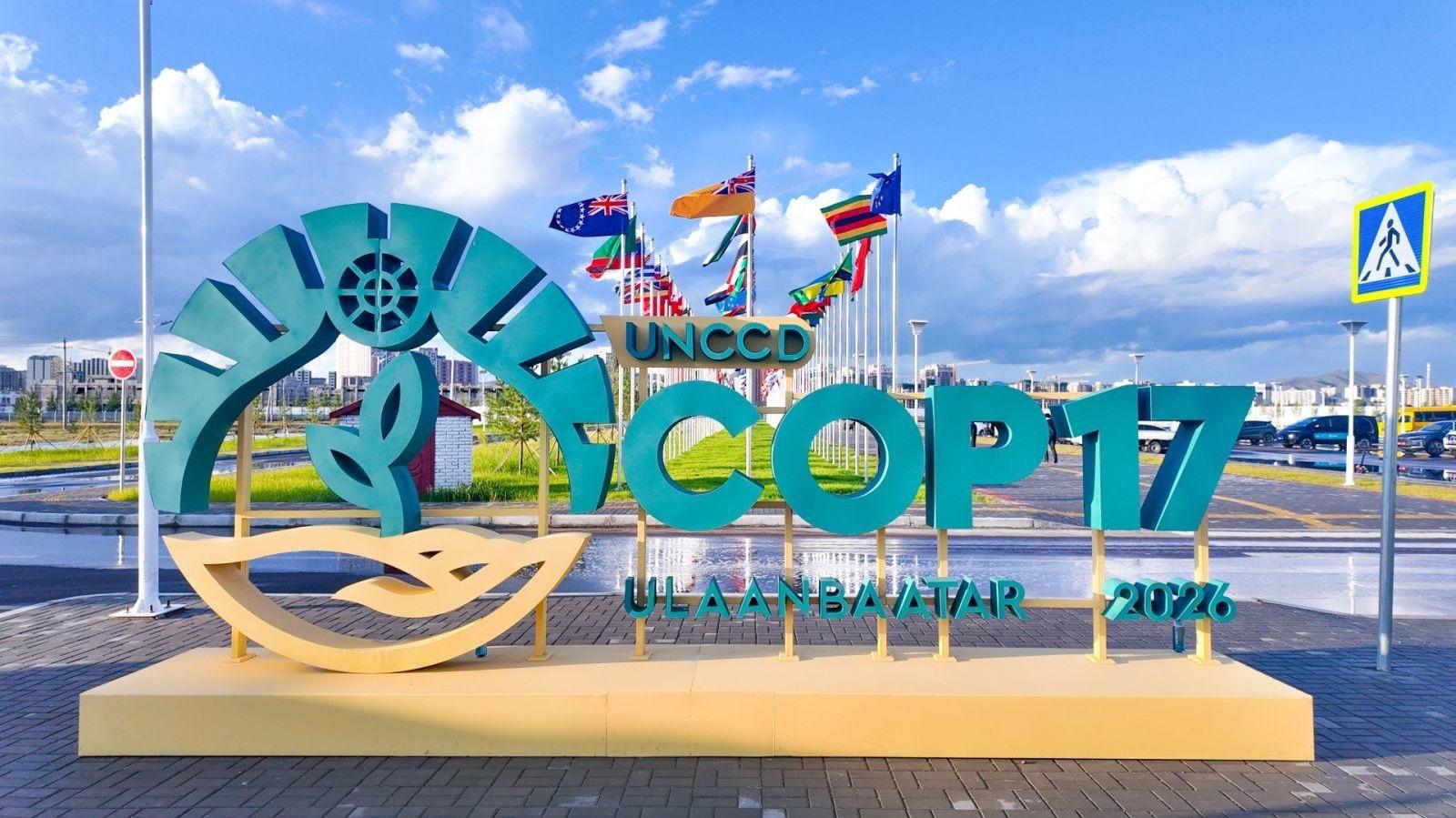
WORLD - The 17th Conference of the Parties (COP17) to the UN Convention on Biological Diversity opened in Yerevan on Monday, October 19, bringing governments together to assess progress towards global nature protection goals and address delays in meeting targets set for 2030.
The summit, running until October 30, comes as countries face mounting pressure to reverse biodiversity loss and accelerate implementation of the Kunming-Montreal Global Biodiversity Framework, adopted in 2022.
Governments agreed to 23 targets under the framework, including protecting 30% of the world's land and oceans, restoring 30% of degraded ecosystems and reforming $500 billion in environmentally harmful subsidies annually by 2030.
However, countries remain off track across all 23 targets, according to assessments discussed ahead of the summit, raising concerns about whether governments can deliver on their commitments within the remaining four years.
Assessing Progress Towards 2030
COP17 marks the first major global assessment of progress under the biodiversity framework, with environment ministers expected to consider measures to strengthen implementation and address gaps in national commitments.
Some progress has been recorded towards protecting 30% of the planet for nature. An estimated 27.5% of terrestrial areas have been committed to protection, bringing the world closer to the land conservation target.
However, conservation efforts require more than designating protected areas. Effective management and protection of critical ecosystems, including wetlands, rainforests, grasslands and coral reefs, remain essential to safeguarding biodiversity.
Progress on other commitments has been slower. Governments have taken limited action to reform environmentally harmful subsidies, including financial support that can encourage fossil fuel use and the destruction of natural habitats.
Funding Remains a Key Challenge
Financing is expected to be a central issue at COP17, particularly for developing countries that have called for additional resources to implement conservation measures.
International funding for nature protection has faced setbacks, with cuts to some major aid programmes and reduced conservation spending by several donor countries adding to existing financing gaps.
Private-sector contributions have also fallen short of expectations. The Cali Fund, launched in 2025 to channel contributions from companies benefiting from digital sequence information on genetic resources towards conservation, has attracted only a small amount of funding compared with its ambition to raise $1 billion annually.
Environmental organisations have urged governments to agree on concrete measures and ensure that financial commitments translate into funding delivered on the ground.
Negotiations Face Significant Challenges
COP17 follows the previous biodiversity summit, COP16, in Cali, Colombia, in 2024, where negotiations ended without agreement on several key issues before additional talks were held in Rome in 2025.
The Yerevan meeting faces a demanding agenda, with delegates expected to address implementation, financing and the measures needed to accelerate progress towards the 2030 targets.
The outcome could help determine whether countries can close the gap between their global commitments and national action before the deadline.
With biodiversity loss continuing to threaten ecosystems and the benefits they provide, governments face growing pressure to turn existing promises into measurable results.