



LEBANON – Lebanon’s Ministry of Tourism is working to expand the use of technology and artificial intelligence to develop the country’s tourism sector by improving administrative services, strengthening the digital presence of tourism businesses, and introducing tools to better understand visitors’ needs and enhance their experiences.
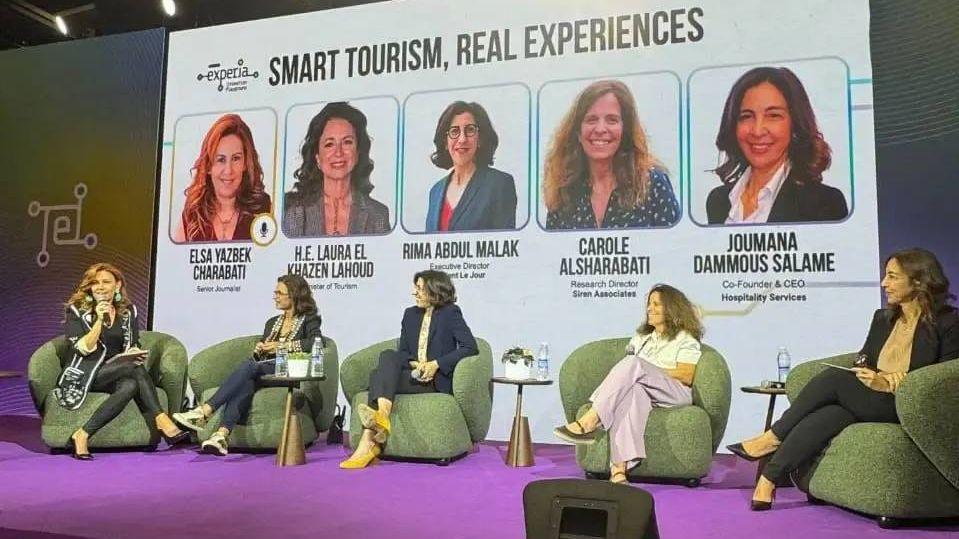
Speaking at the Experia Conference on October 11, 2026, Tourism Minister Laura Lahoud said the shift toward “smart tourism” and greater cooperation among relevant sectors are key components of the country’s tourism development plans, aimed at providing visitors with more accessible and sustainable experiences.
Digital Platforms and Administrative Services
Lahoud announced the launch of a new digital platform to streamline licensing procedures and administrative services at the ministry, with the aim of improving transparency and efficiency, monitoring obstacles, and identifying their causes.
She also highlighted the creation of a comprehensive digital database of licensed tourism establishments, including their geographic locations on the national map, making accurate information about businesses operating in the sector more accessible.
In this context, Lahoud recalled the launch of the “Lebanese Ministry of Tourism” application, which allows visitors to create personalized travel itineraries and receive instant recommendations based on their interests and budgets.
How Can Artificial Intelligence Support Tourism Businesses?
The use of artificial intelligence is not limited to improving visitor experiences. It can also provide practical tools for tourism businesses.
Lahoud explained that these tools enable businesses to forecast hotel occupancy rates and inventory requirements, as well as analyze customer reviews to identify shortcomings, address problems, and improve service quality.
These developments could create opportunities for hotels, restaurants, guesthouses, travel agencies, and other tourism businesses. A stronger digital presence and access to data could help them reach new customers, better understand visitor preferences, and improve the services they offer.
Collaboration to Enhance Tourism Experiences
Lahoud stressed the importance of helping Lebanese regions bring together their tourism assets to develop products and experiences that visitors can easily access and enjoy. She also highlighted the role of responsible media, hospitality networks, and the private sector in raising standards and exchanging expertise.
She noted that while technology plays an important role in developing the sector, it does not replace the importance of human interaction and understanding local ways of life, both of which are essential to shaping visitors’ experiences.
According to Lahoud, the development of smart tourism depends on coordination among ministries and relevant sectors rather than the efforts of a single ministry. Such cooperation, combined with the use of technology, could strengthen Lebanese tourism businesses’ ability to improve their services and reach wider markets.