

LEBANON - On June 10, 2026, Saudi Arabia lifted the ban it imposed on Lebanese imports after nearly five years. considering the positive results achieved through Lebanon's stricter security measures at ports, airports, and land border crossings.
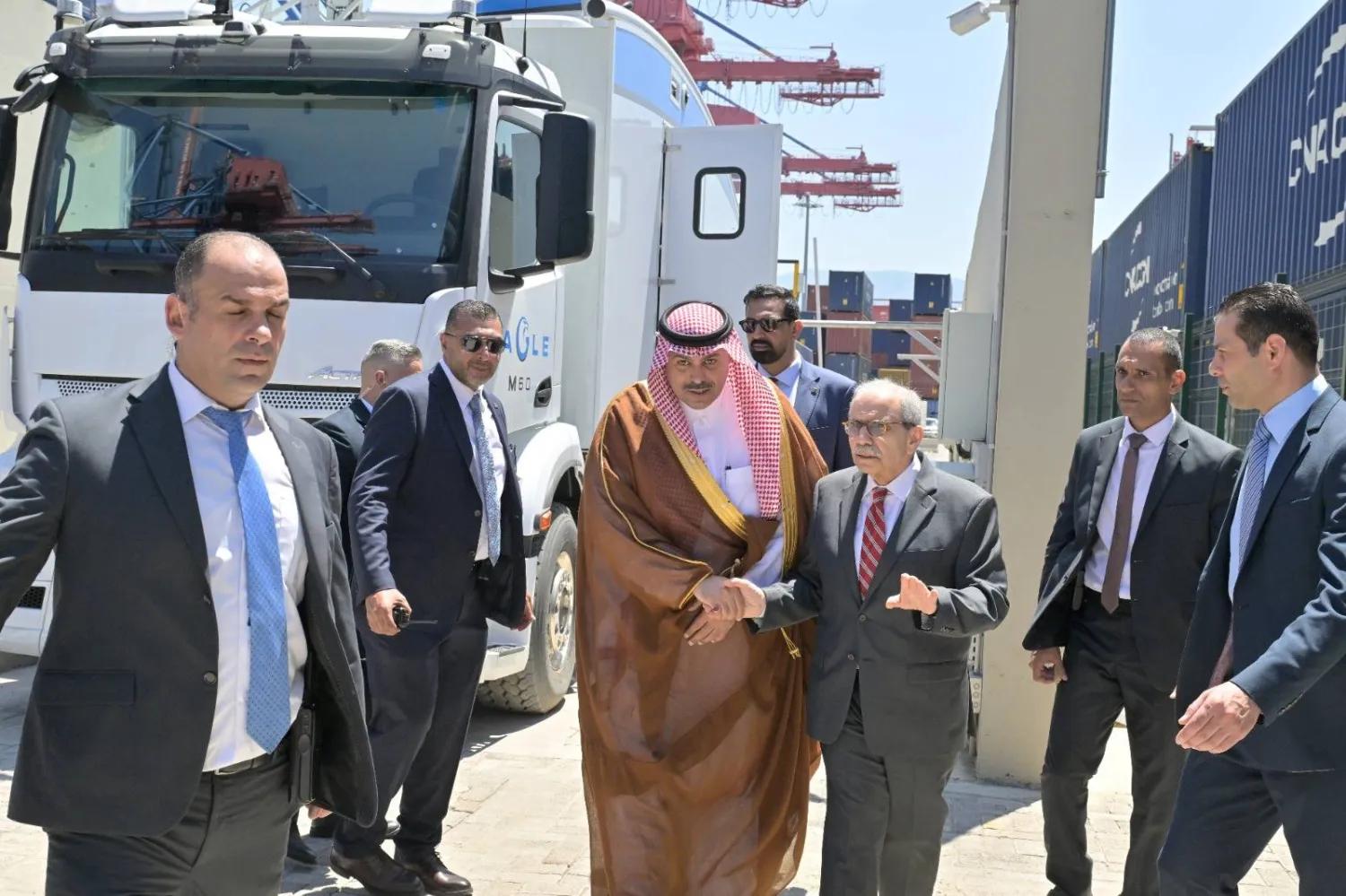
The first shipment of Lebanese exports departed from Beirut Port on June 20, 2026. Lebanese Prime Minister Nawaf Salam, who was present at the Port alongside Saudi Ambassador to Lebanon Fahd Al Dossari, said that Lebanon “will never again allow itself to be used as a launching point for harm against its Arab neighbours,” adding that the country instead aims to be “a partner in their security, stability and prosperity.”
The reopening marks a potentially important turning point for exporters who rely heavily on agricultural and agri-food trade. Yet, experts warn that the benefits will depend on whether Lebanon addresses long-standing structural weaknesses in its export system.
Economist and entrepreneur Walid Abou Sleiman tells Enmaeya that the relationship between Lebanon and Saudi Arabia has historically gone far beyond simple bilateral trade figures.
Lebanon’s Export Structure and Value Chain with Saudi Arabia
In 2020, Lebanese exports to Saudi Arabia were estimated at around $240 million, making the Kingdom one of Lebanon’s key regional export markets.
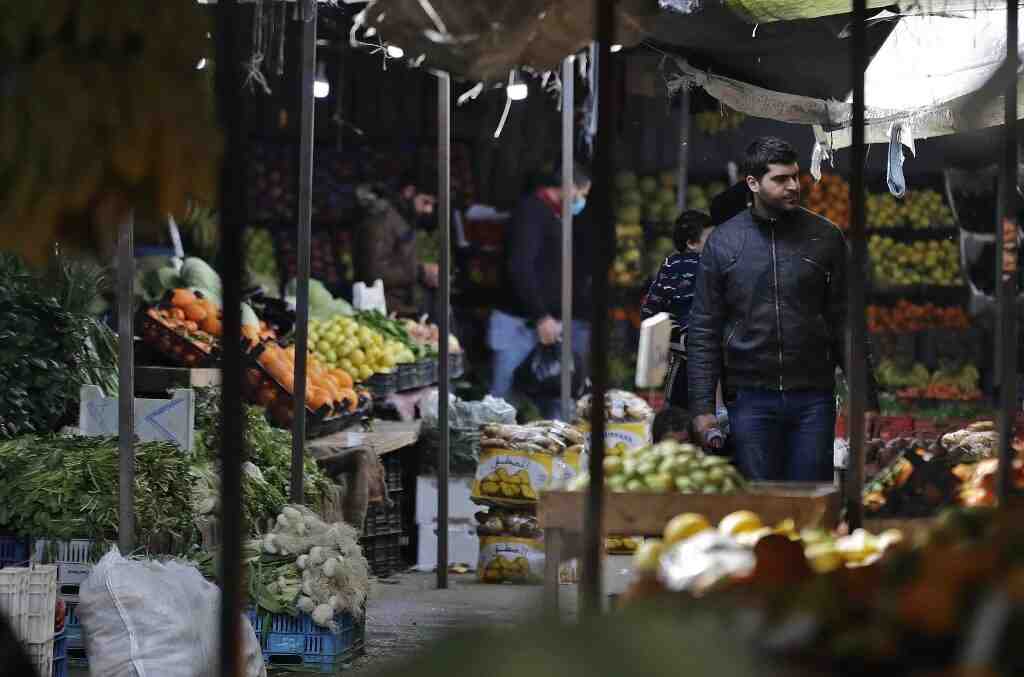
Trade was mainly composed of food and agricultural goods, alongside light industrial products.Fruits and vegetables alone accounted for roughly 12% of Lebanon’s exports to the Kingdom, highlighting the weight of agricultural trade in the bilateral relationship. Specific export categories included seafood (500,000+) and processed food preparations.
Consumer goods such as cosmetics and toiletries also reached about $13.6 million in 2021, highlighting the diversity of Lebanese exports to the Saudi market before restrictions.
Who Was Impacted?
However, as Abou Sleiman explains, the impact of this trade extended far beyond farmers alone.
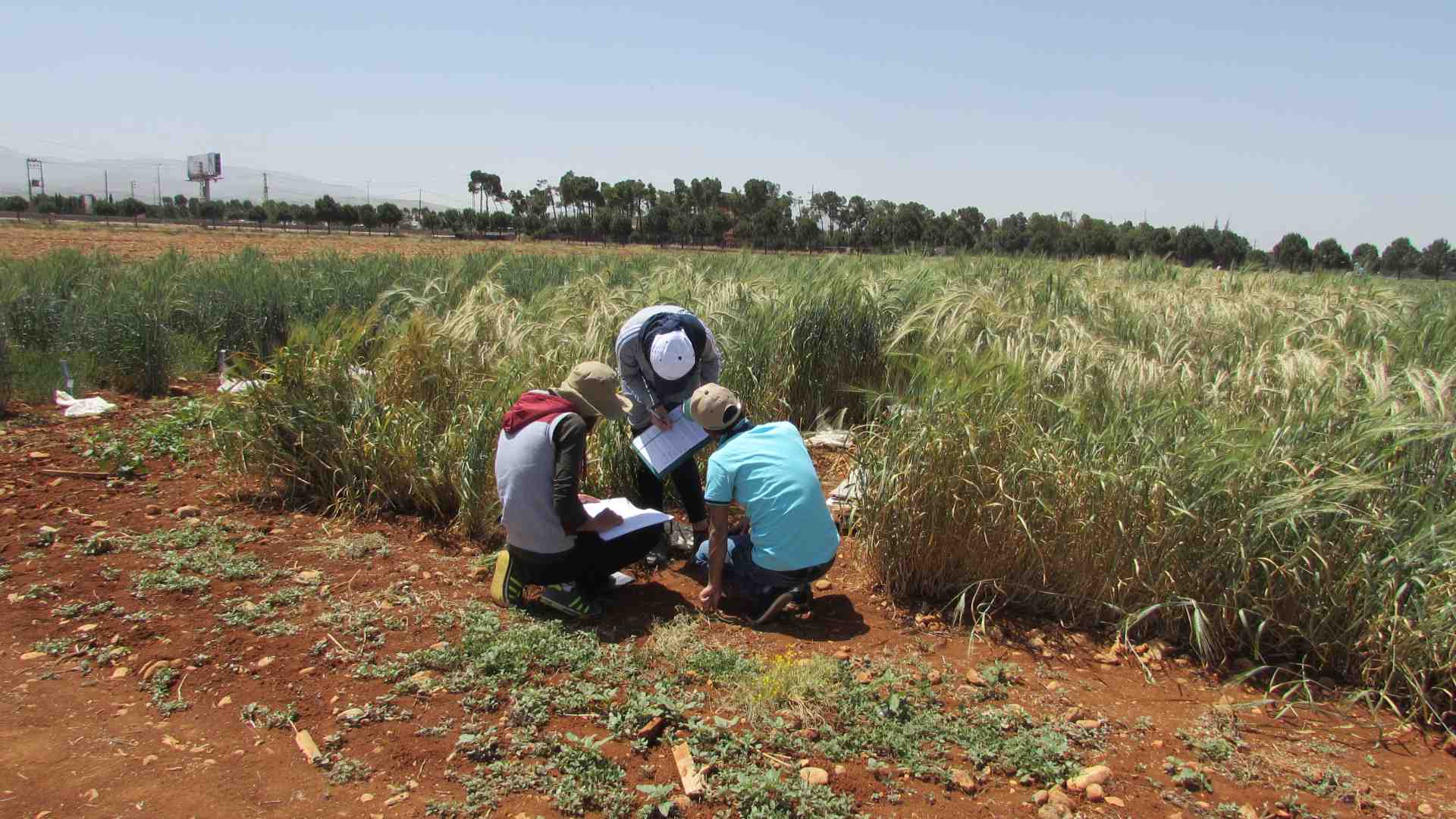
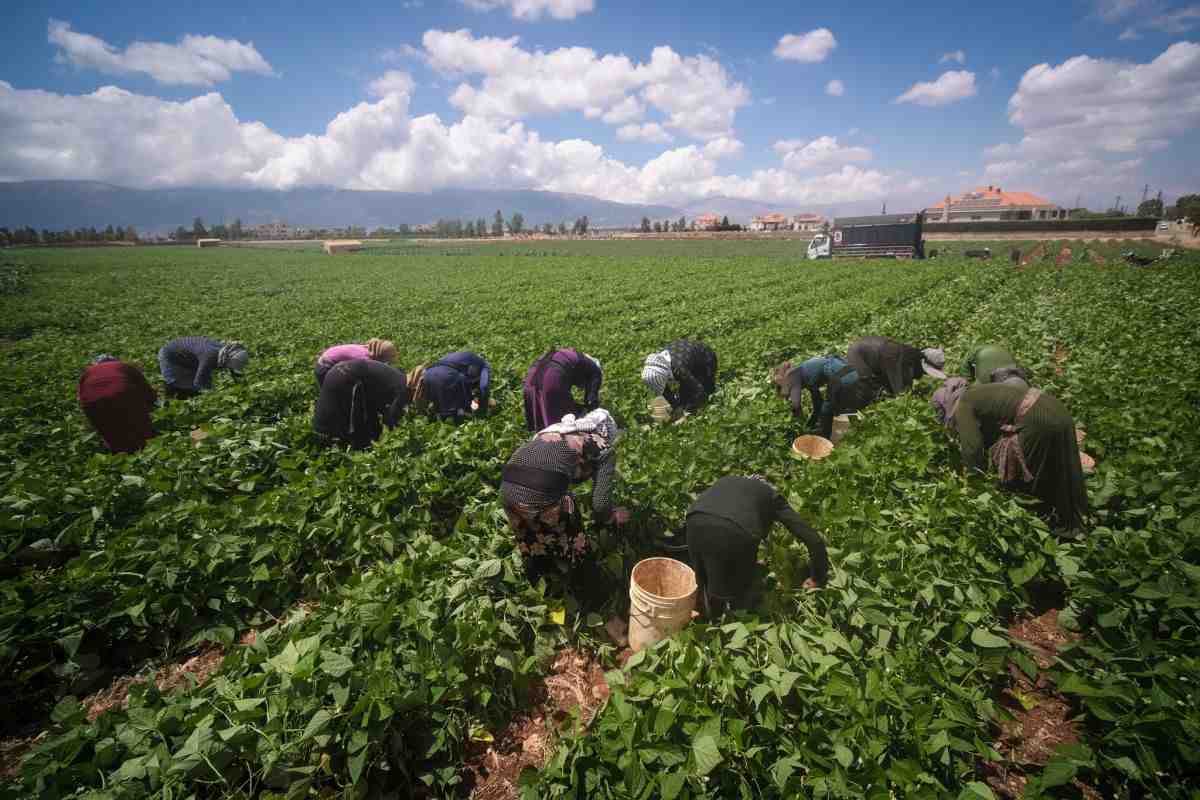
Entire value chains benefited from access to the Saudi market: agricultural producers in the Bekaa and northern regions, food processing factories, packaging firms, logistics providers, cold storage facilities, trucking companies, freight forwarders, and wholesale traders.
In this sense, Saudi demand helped sustain a broad ecosystem of employment and income generation across multiple sectors of the Lebanese economy.
Why the Saudi Market Mattered Beyond Exports
Although exports to Saudi Arabia represented a limited share of Lebanon’s overall economy, their importance extended beyond their monetary value. The Kingdom offered Lebanese producers access to a nearby, high-income, hard-currency market with strong demand for agricultural, food, and consumer goods.
For Lebanon, which faces persistent trade deficits and limited export diversification, stable access to such markets is critical.
Abou Sleiman notes that the Saudi market played an outsized role in rural livelihoods and seasonal employment. Export revenues from agriculture and food processing provided much-needed dollar inflows in an economy characterized by currency volatility and liquidity shortages.
When access to this market was disrupted, the consequences were immediately felt at the sector level: lower farmgate prices, unsold stock, reduced cash flow for exporters, and weakened production incentives.
Before the ban, Saudi Arabia absorbed more than one-fifth of Lebanon’s agricultural exports, underscoring the extent of dependency within this sector.
Structural Weaknesses Exposed by the Ban
Perhaps the most important consequence of the Saudi restrictions was not just the immediate loss of market access, but the exposure of deep structural weaknesses in Lebanon’s export model.
Abou Sleiman identified several key vulnerabilities. First, Lebanon’s export strategy has long been overly dependent on a limited number of regional markets, leaving it exposed to political and regulatory shocks.
Second, the country’s export control systems, particularly around traceability, border inspection, and shipment certification, proved insufficient to meet increasingly stringent international requirements.
Third, many Lebanese producers and exporters lack scale and standardization. Packaging practices, quality assurance systems, and internationally recognized certifications remain uneven across the sector.
This hinders competitiveness and makes it more difficult to secure stable, long-term contracts with large importers.
A Reopening that Demands Reform, Not Just Recovery
With Saudi Arabia officially announcing the resumption of Lebanese exports, the mood among exporters is cautiously optimistic. The immediate economic impact is expected to be positive, but gradual rather than immediate.
According to Abou Sleiman, the first effect will likely be psychological: improved market sentiment and renewed confidence among exporters and importers.
This would be followed by a slow recovery in export orders, improved cash flow, and gradually increasing demand for Lebanese agricultural and food products.
For Lebanon’s agricultural and agri-food sectors, the challenge is dual: regaining lost market share while simultaneously upgrading systems that govern production, certification, and logistics.
As Abou Sleiman suggests, the Saudi market is not only a destination for Lebanese goods: it is a mirror reflecting the strengths and weaknesses of Lebanon’s export economy. Whether this reopening becomes a turning point or a temporary relief will depend on how quickly those weaknesses are addressed.
Overall, strengthening governance, restructuring the export system, and improving institutional and logistical capacity are essential steps to support rural development, attract investment into the sector, and restore Lebanon’s position in regional markets.