



LEBANON - Lebanon remains committed to environmental action despite mounting challenges, Minister of Environment Tamara El Zein said at an international biodiversity summit in Armenia, calling for ecosystem restoration to become a central part of the country’s postwar reconstruction and recovery.
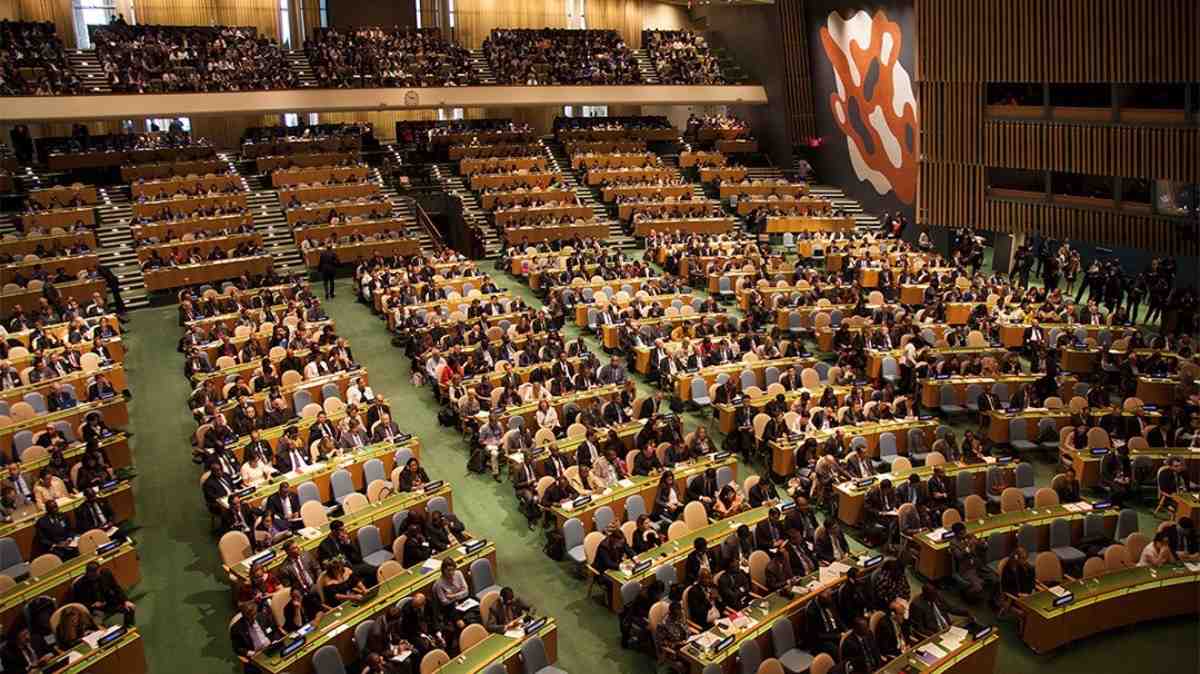
Minister El Zein delivered the remarks while representing President Joseph Aoun at the Leaders’ Summit on Biodiversity, held in Yerevan under the theme “Leaders for Nature,” ahead of the 17th Conference of the Parties to the United Nations Convention on Biological Diversity.
She also urged international partners to support Lebanon’s ongoing reforms and efforts to strengthen its environmental sector.
War Adds to Environmental Pressures
Minister El Zein highlighted Lebanon’s diverse natural heritage, including forests, mountains, wetlands, coastal and marine ecosystems, and migratory routes that contribute to regional biodiversity.
However, she said these ecosystems face growing pressure from climate change, land degradation, biodiversity loss, water scarcity, recurring wildfires and prolonged economic crises, alongside the environmental consequences of Israel’s war on Lebanon.
According to Minister El Zein, environmental losses linked to the 2023 and 2024 conflicts exceeded $512 million, citing the World Bank. She added that these losses were compounded by further damage in 2026.
She described the destruction of natural environments as resembling “ecocide,” citing damage to thousands of hectares of forests, nature reserves, agricultural land and natural habitats.
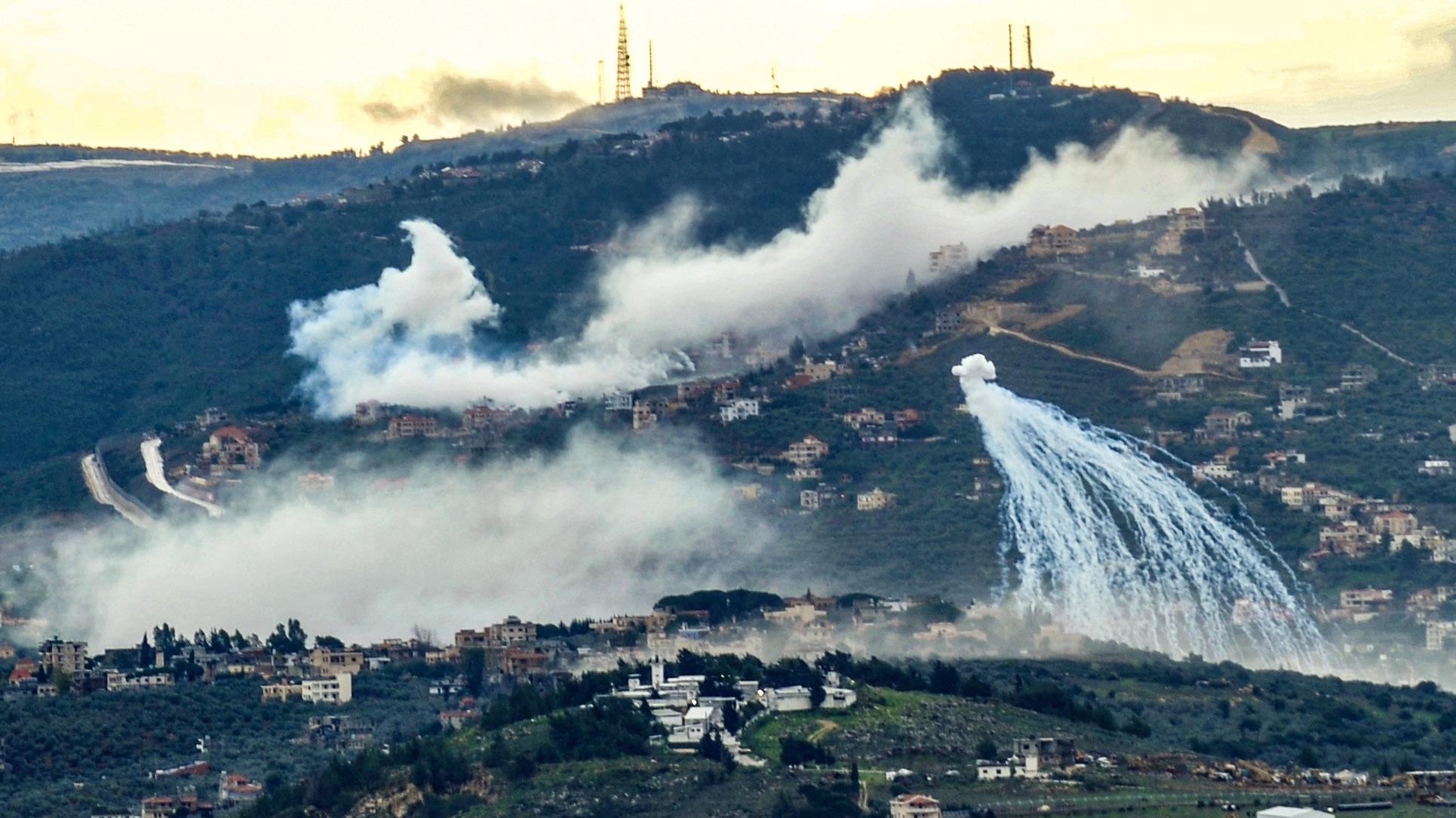
Minister El Zein attributed some of the damage to the use of white phosphorus munitions and the spraying of glyphosate over extensive areas by the Israeli military.
The resulting destruction has significantly reduced biodiversity, disrupted ecological balance and increased the vulnerability of local communities, she said.
Environmental Recovery and National Priorities
Minister El Zein stressed that biodiversity protection extends beyond nature conservation, underpinning food and water security, public health, climate adaptation and sustainable development.
Despite the challenges, Lebanon has made progress over the past 18 months in environmental governance, climate planning, the circular economy, solid waste management and the sustainable treatment of war debris, she said.
Other priorities include expanding the network of protected areas and strengthening environmental citizenship and biodiversity conservation.
Minister El Zein also announced that Lebanon’s Council of Ministers had approved a five-year national biodiversity strategy and action plan the previous week.
Rebuilding With Nature in Mind
Minister El Zein called for environmental restoration to be integrated into reconstruction planning, warning that rehabilitating degraded ecosystems, restoring land and protecting biodiversity should not be treated as secondary priorities.
She said these measures were necessary to ensure that postwar reconstruction supports long-term environmental sustainability and strengthens communities’ resilience.
Minister El Zein concluded by urging Lebanon’s international partners to support continued reforms and interventions in sectors facing significant challenges, as the country works to advance its environmental recovery.